Installation guide
 Owner’s manual
 Error Codes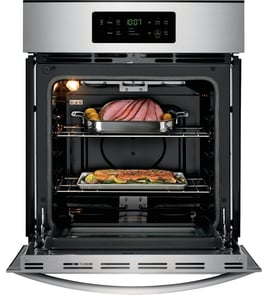


What is the disadvantage of a wall oven?
A wall oven like the KitchenAid KEBS109BSS00 typically costs more to buy and install than a freestanding range, and it requires a separate cooktop. Because it is built into cabinetry, service access can be more time-consuming, and placement is essentially fixed once installed.
- Higher total cost: you are buying an oven plus a cooktop, and installation can involve cabinet and electrical work.
- More complex service access: built-in mounting can add labor time for repairs.
- Less flexibility in layout changes: moving a wall oven usually means modifying cabinetry.
- Cabinet space requirements: you need a dedicated cutout and ventilation clearances.
- Ergonomics vary by install height: loading heavy roasts or casseroles can be awkward if the oven is mounted high.
| Feature | Wall oven (built-in) | Range (oven + cooktop) |
|---|---|---|
| Upfront cost | Higher overall | Often lower overall |
| Installation | Cabinet cutout, dedicated wiring | Usually simpler swap |
| Repairs | Access can be harder | Access is usually easier |
| Flexibility | Fixed location | Easier to relocate |
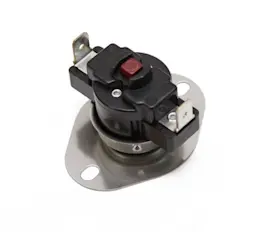
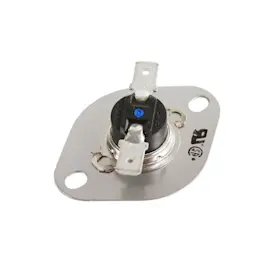
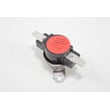
These tradeoffs affect long-term ownership. For example, if the oven stops heating, diagnosing electrical components (such as a thermal fuse WPW10545255 or wiring connections) can require pulling the unit from the cabinet, which adds time compared to servicing a freestanding range.
- Confirm cutout dimensions, electrical requirements, and clearances in the KEBS109BSS00 installation guide.
- Keep the area around vents clear to help prevent overheating and nuisance shutdowns.
- Use the correct rack positions and cookware to reduce spills and smoke.
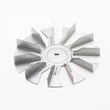
- If you notice weak heating or long preheat times, check for a failing bake circuit (the oven bake element W11545804 is a common wear item).
Last updated: January 2026
Why does my KitchenAid wall oven smell like burning plastic?
A burning-plastic smell from your KitchenAid KEBS109BSS00 wall oven is usually caused by packaging residue, protective coatings, or food grease heating up, but it can also signal overheating wiring or a failing electrical safety part. If the smell is strong, persistent, or you see smoke, stop using the oven and inspect it.
- Turn the oven off and let it cool completely.
- If you see active smoke, shut off power at the breaker.
- Remove all racks, foil, twist ties, cardboard, and any shipping materials.
- Wipe the oven cavity and door edges with mild soap and water; dry fully.
- Run the hood fan and open windows for ventilation.
New or recently serviced electric wall ovens can smell as residues burn off.
What to do
- Run an empty bake cycle at 400°F to 450°F for 30 to 60 minutes.
- Ventilate the kitchen well.
Spills on the oven bottom, hidden drips near the door liner, or residue on racks can create a plastic-like odor.
What to do
- Clean the cavity, racks, and door area.
- Avoid lining the oven bottom with foil; it can trap heat and create odors.
A melting-plastic smell that happens with the cooling fan running, or only during high-heat modes, can point to wiring, a terminal connection, or a control area overheating.
Parts commonly involved on this model
| Symptom | What it can indicate | Example part to consider |
|---|---|---|
| Smell near control panel | Overheating safety device | Thermal fuse WPW10545255 |
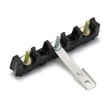
| Smell near power connection | Loose/burned power leads | Terminal block WPW10245259 |
A normal burn-off smell fades after a few uses; an electrical odor that persists can indicate heat damage that may lead to loss of power, error codes, or further component failure.
- Use the KEBS109BSS00 owner’s manual for recommended first-use steps and cleaning guidance.
- Use the KEBS109BSS00 installation guide to confirm the power connection and mounting clearances are correct.
Last updated: January 2026
How many years should a wall oven last?
A wall oven typically lasts 13 to 15 years. For your KitchenAid KEBS109BSS00 30-inch electric built-in single oven, consistent cleaning, good airflow around the cabinet cutout, and timely replacement of wear parts can keep it performing well through that full lifespan.
Most electric wall ovens fall into a fairly consistent life range, but real-world life depends on heat stress and how hard the oven works.
- Average life: 13 to 15 years
- Heavy use (daily high-heat cooking): closer to 10 to 13 years
- Light to moderate use: often reaches 15 years
- Frequent self-clean cycles: shortens life by stressing wiring, controls, and safety devices
- Poor ventilation or blocked vents: increases internal temperatures and speeds failures
These symptoms usually point to a failing heating circuit, temperature control issue, or overheating protection trip.
- Preheats slowly or struggles to hold temperature
- Uneven baking (hot spots, underbaked centers)
- Display resets, goes blank, or behaves erratically
- Fan runs excessively or you smell overheated insulation
- Door does not seal well, causing heat loss and longer cook times
Use this as a practical decision tool for the KEBS109BSS00.
| If your oven is... | Usually makes sense to... | Why |
|---|---|---|
| Under 10 years old | Repair | Parts restore performance cost-effectively |
| 10 to 15 years old | Compare costs | Multiple repairs can add up |
| Over 15 years old | Replace more often | Major parts and labor can exceed value |
Replacing a failed component early prevents repeat overheating and control damage.
- Thermal fuse WPW10545255: protects the oven from overheating; a blown fuse often means airflow or cooling issues
- Oven bake element W11545804: restores proper bake heat when the oven heats weakly or unevenly
- Sensor probe WP74008369: helps correct temperature regulation when baking temps drift
A wall oven that is overheating, underheating, or cycling incorrectly wastes energy and can damage the electronic control, wiring harness, and insulation. Following the maintenance and operating guidance in the KEBS109BSS00 owner’s manual helps reduce heat stress and extends service life.
Last updated: January 2026
What to do before using a KitchenAid oven for the first time?
Before first use of your KitchenAid KEBS109BSS00 30-inch electric built-in single oven, we recommend removing all packing materials, washing the racks and oven cavity, then running a short empty heat cycle to burn off light manufacturing residues (some odor or a little smoke is normal with good ventilation).
- Remove all tape, cardboard, plastic film, and any rack ties from the oven cavity.
- Take out the oven racks and wash them with warm water and mild dish soap; dry fully.
- Wipe the oven interior with warm, soapy water, then wipe again with clean water and dry.
- Confirm the oven is properly installed and secured in the cabinet cutout per the installation guide.
- Set the clock and review basic controls and settings in the KEBS109BSS00 owner’s manual.
We use a burn-in to remove light oils and residues left from manufacturing.
Typical burn-in steps
- Open a window or run a kitchen vent fan.
- Remove any cookware, foil, and accessories you are not testing.
- Heat the oven empty at 350°F for about 30 minutes, then let it cool.
| During first heat-up | Usually normal | Stop and check |
|---|---|---|
| Odor | “New oven” smell | Strong electrical/burning wire smell |
| Light smoke/haze | Brief, improves with ventilation | Heavy smoke that does not clear |
| Sounds | Fan cycling, light ticking | Loud buzzing, repeated clicking with no heat |
A quick clean and burn-in helps prevent residue odors from transferring to food, confirms the controls and heating system work correctly, and reduces the chance of nuisance smoke the first time you bake or broil.
Last updated: January 2026