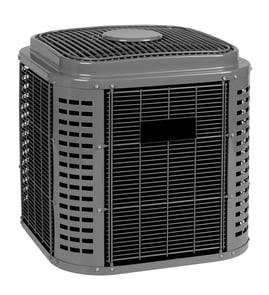



What are common problems with YORK units?
Common problems we see with York central air conditioners like model H1RA042S06D are airflow restrictions (dirty filter or blocked coil), electrical/control issues (failed capacitor or contactor), and refrigerant or condensate problems (icing, leaks, or poor drainage). These issues often show up as no cooling, short cycling, or the outdoor unit not running.
Most common symptoms and what they usually point to
- Indoor blower runs but no cooling: outdoor unit not starting, weak capacitor, bad contactor, or thermostat/control signal issue
- Outdoor unit runs but air is warm: dirty condenser coil, low refrigerant charge, or compressor/reversing issues (if part of a heat pump system)
- Short cycling (starts and stops quickly): dirty coil, oversized system, pressure switch trip, or electrical control problem
- Ice on the refrigerant line or indoor coil: restricted airflow (filter/coil) or low refrigerant
- Water around the furnace/air handler: clogged condensate drain, cracked drain pan, or poor slope
Quick checks we recommend before scheduling a repair
- Thermostat settings: set to Cool, fan to Auto, and lower the setpoint 3 to 5 degrees.
- Power: confirm the indoor unit switch is on; check the breaker and the outdoor disconnect.
- Airflow: replace/clean the filter; make sure supply and return vents are open.
- Outdoor coil: clear leaves and debris; keep at least 2 feet of clearance around the condenser.
- Drain line: if you see water, clear the condensate drain and verify it flows freely.
Common problem areas (and typical DIY vs. pro level)
| Problem area | What you notice | Typical next step |
|---|---|---|
| Air filter or coil restriction | Weak airflow, icing, higher bills | Replace filter; clean coil (carefully) |
| Capacitor/contactor | Outdoor unit hums, won’t start, intermittent starts | Electrical testing and replacement |
| Refrigerant/charge issue | Icing, poor cooling, long run times | Leak check and recharge |
| Condensate drainage | Water leaks, musty odor | Clear drain; inspect pan and trap |
Why it matters
Running a York AC with low airflow, icing, or electrical arcing can quickly turn a small maintenance issue into compressor damage or repeated shutdowns. Catching symptoms early keeps cooling consistent and protects major components.
Helpful DIY reference
For safe electrical troubleshooting basics (especially when checking fuses or verifying power), we recommend: how to use a multimeter to test electrical parts video.
Last updated: February 2026
What does H1 mean on an air conditioner?
On a York H1RA042S06D central air conditioner, “H1” is not a standard, universal air-conditioner fault code. In most homes it is either a thermostat/indoor control message or a label used on the outdoor unit’s wiring (not a diagnostic code), so the meaning depends on where you’re seeing it.
Where “H1” is showing determines what it means
- Thermostat screen: often a thermostat-specific indicator (mode, schedule, or an alert) rather than an outdoor unit fault.
- Indoor air handler/furnace control board: can be a board status label or a connector designation.
- Outdoor condenser label or wiring: commonly a wire/terminal identifier (for example, a harness tag), not an error.
- A service tool or smart controller: may display its own internal code set.
What to do next (safe, practical checks)
- Write down exactly where you see H1 (thermostat display, indoor unit, outdoor unit sticker, etc.).
- Check basic operation: confirm the thermostat is set to COOL, setpoint is below room temperature, and the system is calling for cooling.
- Inspect airflow: replace/clean the return air filter, open supply registers, and make sure the indoor blower is running.
- Check the outdoor unit: clear debris around the condenser coil and confirm the fan runs when cooling is requested.
- If cooling stops or breakers trip: turn the system off and have a technician diagnose electrical or refrigerant issues.
Quick guide: what you see vs. what it usually points to
| Where you see “H1” | Most likely meaning | Best next step |
|---|---|---|
| Thermostat display | Thermostat-specific message | Check thermostat manual/settings; verify cooling call |
| Outdoor unit sticker/wiring | Wire/terminal identifier | No action unless diagnosing wiring |
| Indoor control board area | Board label/status reference | Use wiring diagram; technician diagnosis if not cooling |
Why it matters
Central air conditioners like the York H1RA042S06D are typically cooling-only systems; “defrost” style messages are associated with heat pumps in heating mode, not standard AC cooling. Correctly identifying where “H1” appears prevents replacing the wrong part and speeds up troubleshooting.
For help confirming you have the right model information before troubleshooting or ordering parts, use how to find your appliance model number (and what it means for parts).
Last updated: February 2026
What size room will a 6000 BTU air conditioner cool?
A 6,000 BTU air conditioner typically cools about 200 to 300 sq. ft. in average conditions. That sizing rule applies to single-room window or portable AC units; it is not used to size a York H1RA042S06D central air conditioner system.
Quick sizing guidance for 6,000 BTU (single-room AC)
- 200 to 250 sq. ft.: most small bedrooms and home offices
- 250 to 300 sq. ft.: best when insulation is good and the room is shaded
- Under 200 sq. ft.: can cool quickly and cycle on and off more often
- Over 300 sq. ft.: usually struggles on hot days and may run constantly
What changes the real coverage
- Sun exposure (west-facing rooms and lots of glass need more BTUs)
- Insulation and air leaks (poor insulation increases cooling load)
- Ceiling height (tall ceilings increase the volume of air to cool)
- Heat sources (people, computers, cooking, and TVs add heat)
- Doorways/open layouts (connected spaces act like a larger room)
Rule-of-thumb table
| Room conditions | Typical coverage for 6,000 BTU |
|---|---|
| Shaded, well-insulated | 250 to 300 sq. ft. |
| Average insulation/sun | 200 to 250 sq. ft. |
| Hot sun, leaky/poor insulation | 150 to 200 sq. ft. |
Why it matters
Correct sizing improves comfort and humidity control. Too small runs constantly and may not keep up; too large cools fast but can leave the space feeling damp because it does not run long enough to remove moisture.
Helpful DIY resource
If you are diagnosing electrical issues (breaker trips, no power, or control problems) while working on cooling equipment, use how to use a multimeter to test electrical parts video.
Last updated: February 2026