Owner’s manual
 Error Codes


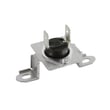
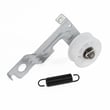
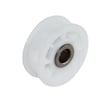

How to take the front off of a LG sensor dryer?
To remove the front panel on an LG DLE7100W dryer, we typically unplug power first, then remove the top panel, disconnect the door switch wiring, and take out the front mounting screws so the panel can lift off the lower clips. Use the DLE7100W owner's manual for the exact screw locations and safe handling steps.
- Unplug the dryer (or switch off the breaker) before opening any panels
- If it is a gas model, shut off the gas supply (DLE7100W is commonly electric, but always verify your setup)
- Wear cut-resistant gloves; cabinet edges can be sharp
- Have a small container ready for screws
- Take a quick photo of wire connections before unplugging them
- Remove the lint screen, then remove the screws that secure the lint screen housing (if accessible from the top opening).
- Remove the top panel: take out the rear screws, slide the top back slightly, then lift it off.
- Remove the control panel fasteners (if they block the front panel screws). Support the control panel so it does not hang by wiring.
- Open the door and remove door-area screws that secure the front panel to the cabinet.
- Disconnect the door switch harness (and any drum light harness if equipped) from the front panel.
- Lift the front panel up and off the lower retaining tabs/clips, then pull it forward.
| Item | Where you see it | What to do |
|---|---|---|
| Door switch harness | Behind the door opening/front panel | Unplug before lifting panel away |
| Control panel screws | Top front area | Remove and support panel |
| Front panel mounting screws | Inside door opening and/or top corners | Remove before lifting panel |
Removing the front correctly prevents broken plastic tabs, pinched wiring, and door switch problems that can cause a no-start condition. It also gives you access to common wear items like the belt and idler.
- LG dryer drum belt 4400EL2001F (cracks, glazing, slack)
- LG dryer idler pulley 4561EL3002A (wobble, squeal)
- Drum support rollers (flat spots, rumble)
Last updated: February 2026
How to tell if an LG dryer heating element is bad?
A bad heating element in our LG DLE7100W dryer typically shows up as a dryer that runs but does not heat, or takes much longer than normal to dry. We confirm it by checking airflow and power first, then testing the heater circuit for continuity with a multimeter.
- Dryer tumbles normally but clothes stay cold or damp
- Dry times suddenly get much longer
- Exhaust air is not warm after about 3 minutes on a heat cycle
- Burning smell or repeated high-limit thermostat trips (often caused by restricted venting)
Before testing parts, we follow the checks in the DLE7100W owner’s manual.
- Check heat output: Run a heated cycle; exhaust should feel warm after about 3 minutes.
- Check airflow: A clogged vent can mimic a bad heater and can also overheat the heater housing.
- Check power supply (electric dryers): A breaker or cord issue can let the motor run with no heat.
Restricted venting is one of the top reasons an electric dryer “won’t heat” or takes too long. It also causes overheating that can open a high-limit thermostat.
- Unplug the dryer (or switch off the breaker) before opening panels.
- Access the heater area (panel access varies by configuration).
- Disconnect at least one wire from the element terminals.
- Measure resistance across the element terminals.
Typical readings for many LG electric dryer elements are in the low tens of ohms (often around 20 Ω). If the meter shows open/infinite resistance, the element is bad.
| Meter result | What it usually means | Next move |
|---|---|---|
| ~10 to 30 Ω | Element likely OK | Check thermostats, thermistor, airflow |
| OL / infinite | Element is broken | Replace heater assembly |
| Very low (near 0 Ω) | Possible short | Replace heater assembly and inspect wiring |
If the element tests good, these parts commonly stop heat:
- Dryer high-limit thermostat 6931EL3003D (opens if overheating occurs)
- Dryer thermistor AGM30045804 (temperature sensing)
- Dryer blower thermostat 6931EL3002M (temperature safety control)
Accurately testing the heater circuit prevents replacing the wrong part. In many “no heat” calls, the real fix is restoring proper venting and airflow, then replacing the failed safety thermostat if it opened from overheating.
Last updated: February 2026
What is the lifespan of an LG dryer?
Most LG dryers last 10 to 15 years with normal household use. For the LG DLE7100W, steady airflow (clean venting and lint filter care) and avoiding overloads are the biggest factors that help you reach the high end of that range; see the DLE7100W owner's manual for care and operating guidance.
- Vent restriction (long runs, crushed duct, lint buildup) makes the dryer run hotter and longer
- Lint filter habits; clean it every load and keep the housing clear
- Load size; repeated overloading strains the drum, belt, rollers, and motor
- Heat and cycling; frequent high-heat cycles increase wear on thermostats and the heater circuit
- Timely repairs; replacing wear items early prevents secondary damage
| Use pattern | Typical lifespan | What usually wears first |
|---|---|---|
| Light (a few loads/week) | 12 to 15 years | Belt, rollers, idler pulley |
| Average (most households) | 10 to 15 years | Rollers, thermostats, moisture sensing parts |
| Heavy (daily loads) | 7 to 12 years | Belt/rollers, motor, heater-related parts |
- Confirm strong airflow at the outside vent hood while the dryer is running
- Use heavy metal venting (avoid plastic or thin foil duct)
- Clean or replace damaged ducting; keep the vent hood clear of lint and obstructions
- Keep the area around the dryer clean and uncluttered
- If you hear squealing or thumping, inspect common wear parts like the LG dryer drum belt 4400EL2001F and drum support rollers
A dryer that takes longer to dry is not just inconvenient; it typically runs hotter and longer, which accelerates wear on heating and safety components (such as high-limit thermostats) and can shorten overall service life.
Last updated: February 2026
What is the most common problem with LG dryers?
The most common problem we see with LG dryers like model DLE7100W is poor drying or no heat, and the #1 cause is restricted airflow from a clogged lint filter or vent duct. Drum tumbling problems (squealing, thumping, not turning) are also very common.
- Long dry times or no heat: lint filter clogged, vent duct/hood clogged, excessive duct length or too many elbows
- Dryer runs but clothes stay damp: weak airflow, overloaded load, or sensor-dry shutting off early on small loads
- Dryer will not turn on: power cord not fully seated, tripped breaker or blown fuse (electric dryers can sometimes run without heat if one leg of power is lost)
- Squealing, thumping, or drum not turning: worn rollers, idler pulley issues, or a broken belt
- Error codes related to airflow or temperature: often point back to vent restriction or a heating circuit component
- Clean the lint filter before every load; for heavy-lint loads (like new towels), clean it mid-cycle.
- Check airflow at the outside vent hood while the dryer runs; it should feel strong.
- Inspect the vent path for crushed flex duct, lint buildup, or a stuck vent flap.
- Reset the breaker (or replace a blown fuse) and confirm the outlet matches the dryer rating.
- If you use Sensor Dry with a very small load, switch to Time Dry or add a few items for better tumbling.
| Symptom | Most common cause | Best first action |
|---|---|---|
| Takes too long to dry | Vent restriction | Clean lint filter and vent duct |
| Runs but no heat | Electrical supply issue or airflow restriction | Check breaker/fuses; verify strong vent airflow |
| Loud squeal/thump | Drum support or belt drive wear | Inspect belt, idler, and rollers |
If your DLE7100W has drum movement noise or won’t tumble, these are frequent wear items:
- LG dryer drum belt 4400EL2001F
- Dryer drum support roller 4581EL2002H
- LG dryer idler pulley 4561EL3002A
Restricted venting is the most common root cause because it reduces airflow, increases dry time, and can trigger airflow-related indicators that may take multiple cycles to reset after the restriction is cleared. For model-specific operating tips and troubleshooting tables, use the DLE7100W owner's manual.
Last updated: February 2026
Why is my LG dryer running but not heating?
If your LG DLE7100W dryer tumbles but doesn’t heat, the most common causes are a venting airflow restriction or an electrical supply issue that lets the motor run without powering the heater. Next, check the heater circuit safety parts (thermostats) and the heater assembly.
- Clean the lint screen and confirm it seats correctly.
- Check the exhaust hood outside; make sure the flap opens strongly while running.
- Inspect the vent duct for crushing, kinks, lint buildup, or excessive length and elbows.
- For electric dryers: reset both breakers (or replace fuses); a supply problem can allow “runs but no heat.”
- Try a timed dry cycle with heat selected (rules out some sensor-cycle behavior).
Unplug the dryer (and shut off gas if you have a gas version) before accessing internal components. Use the troubleshooting steps and access panels shown in the DLE7100W owner’s manual.
Common no-heat suspects on this model family:
- High-limit thermostat: opens if overheating occurs; can stop heat.
- Blower thermostat: helps regulate temperature; failure can affect heating.
- Heater assembly: open heating element or internal failure stops heat.
| Symptom | Likely area | Example part for this model |
|---|---|---|
| Runs, no heat; vent is clear | Heater circuit | Heater assembly 5301EL1001S |
| Overheats then stops heating | Safety thermostat | Dryer high-limit thermostat 6931EL3003D |
| Heat is erratic | Temperature sensing/control | Dryer blower thermostat 6931EL3002M |
Poor airflow (clogged lint screen, blocked duct, long duct runs) can cause long dry times and overheating, which can trip safety thermostats and leave the dryer running with no heat. Fixing venting first prevents repeat failures after a part replacement.
- Breaker trips repeatedly.
- You smell burning or the cabinet gets unusually hot.
- Venting is routed through walls/roof and appears clogged or damaged.
Last updated: February 2026