Installation guide
 Owner’s manual


What is the life expectancy of a KitchenAid dishwasher?
KitchenAid dishwashers typically last 10 to 15 years with normal household use and basic maintenance. For your KitchenAid KDTE304GPS0, keeping the filter area clean, using the right detergent, and fixing small leaks or draining issues early are the biggest factors in reaching that lifespan.
Typical lifespan and what affects it
Most dishwasher longevity comes down to heat, water quality, and how hard the unit is worked.
- Usage frequency: multiple loads daily shortens life compared to 3 to 5 loads per week
- Hard water: mineral buildup stresses the pump, heater, and spray system
- Cleaning habits: a dirty filter and sump reduce wash performance and increase wear
- Loading: overloading can damage racks, wheels, and adjusters
- Early repairs: replacing a worn seal or weak drain pump prevents bigger failures
Quick maintenance checklist (best ROI)
Use these habits to keep KDTE304GPS0 running longer and washing better.
- Clean the filter and sump area regularly (per the KDTE304GPS0 owner’s manual)
- Run hot water at the sink before starting a cycle for better filling temperature
- Use a quality detergent and rinse aid; avoid overfilling the detergent cup
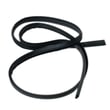
- Inspect the door edges for drips and keep the sealing surfaces clean
- Keep spray arms clear of labels, seeds, and broken glass
- Address slow draining promptly (kinks, clogs, or a weak pump)
Common “wear” parts vs. major repairs
These are typical examples of what we see over a dishwasher’s life.
| Category | Examples | What you’ll notice |
|---|---|---|
| Wear and tear | Rack wheels, rack adjusters | Rack won’t roll smoothly, rack sags |
| Water handling | Inlet valve, drain hose | Not filling, leaking, or not draining |
| Heating and drying | Heater circuit | Poor drying, cooler wash results |
| Controls and motors | Pump motor, electronic controls | No wash action, stopping mid-cycle |
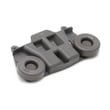
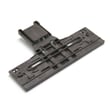
If the lower rack is hard to roll or keeps popping off track, a common fix is replacing the wheel assembly such as the whirlpool dishwasher dishrack wheel W10195416V.
Why it matters
A dishwasher near the end of its expected life can still be worth repairing when the issue is a single part (like a drain hose or rack hardware). Consistent leaks, repeated no-drain problems, or multiple failing systems at once usually signal it is time to compare repair cost vs. replacement.
Last updated: January 2026
What is the most common problem with the KitchenAid dishwasher?
The most common issue we see with the KitchenAid KDTE304GPS0 dishwasher is poor wash results caused by restricted water flow (a dirty filter area, blocked spray paths, or loading that prevents the spray arms from turning). “Won’t start” complaints are also common and are often tied to the door not latching or Start/Resume timing.
Quick checks that fix the most complaints
- Confirm the door is fully closed and latched; a weak latch can stop the cycle from starting.
- If the Start/Resume light is blinking, press Start/Resume and close the door within 4 seconds.
- Reload so nothing protrudes through the rack or hits the spray arm (tall items and large casserole dishes are frequent culprits).
- Use high-quality premeasured detergent tablets or packs and use rinse aid for daily care.
- If the dishwasher isn’t draining well, check and clean the drain air gap (if your setup has one).
Parts that commonly relate to these symptoms
If the problem is mechanical (not just loading or detergent), these parts are frequent suspects on dishwashers like the KDTE304GPS0:
| Symptom | What it usually points to | Example part for this model |
|---|---|---|
| Won’t start or stops when closing | Door not latching consistently | Dishwasher door latch WPW10653840 |
| Not draining, water left in tub | Drain restriction or weak drain pump | Dishwasher drain pump W10876537 |
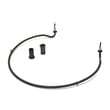
| Not drying well, water stays cool | Heating circuit issue | Element assembly W10703867 |
Why it matters
Poor cleaning and “won’t run” problems often come from simple causes (loading interference, door not latched, or Start/Resume not completed). Fixing those first prevents unnecessary part replacement and helps the wash system maintain proper water circulation and temperature.
Where to confirm model-specific steps
Use the KDTE304GPS0 owner’s manual for the exact Start/Resume behavior, cycle descriptions, and the troubleshooting checks (including the notes about normal pauses during a cycle).
Last updated: January 2026
Which dishwasher to stay away from?
If you want fewer headaches, we stay away from dishwashers with a long track record of poor reliability, weak parts support, and complicated electronics. For most homes, a midrange KitchenAid like model KDTE304GPS0 is a safer direction than the cheapest “builder-grade” units.
What to avoid (practical buying rules)
- Ultra-budget models with plastic tubs and minimal filtration (more odor, residue, and wear)
- Models with frequent “won’t start” or “won’t drain” complaints tied to control or sensor issues
- Units with hard-to-source parts or limited service coverage in your area
- Overly complex “smart” features you will not use (more boards, more failure points)
- Designs that make routine maintenance difficult (filters and spray arms should be easy to access)
What to look for instead
A dependable dishwasher is usually the one that is easy to maintain and has strong parts availability.
- Stainless steel tub (better drying and durability)
- Simple, proven wash system and clear error reporting
- Easy filter access and clear cleaning instructions in the manual
- Readily available wear parts (rack wheels, adjusters, door latch, drain pump)
Quick comparison: red flags vs. good signs
| Shopping signal | What it often means | Better alternative |
|---|---|---|
| Lowest-price “promo” model | Cost-cut components, noisier operation | Midrange model with solid parts support |
| Lots of features for the price | More electronics to troubleshoot | Fewer features, stronger core wash/dry |
| Poor drying reviews | Heater/venting design compromises | Stainless tub, proven heated dry options |
| Parts hard to find | Longer downtime, higher repair cost | Common parts ecosystem and service access |
Why it matters for your KDTE304GPS0
KitchenAid dishwashers like KDTE304GPS0 are designed to be maintained. The KDTE304GPS0 owner’s manual covers safe operation and routine care, including keeping filters properly installed and using a monthly dishwasher cleaner to reduce residue buildup that can affect performance.
If you are comparing brands and want to minimize “no drain” or “no fill” risk, prioritize models where key components are commonly stocked, such as a dishwasher drain pump W10876537 and a dishwasher water inlet valve W11175771.
Last updated: January 2026