Installation guide
 Owner’s manual
 Error Codes


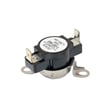
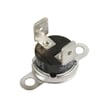

How to find Frigidaire dryer model number?
On your Frigidaire dryer model AEQ8000FS0, the model number is printed on the serial plate located on the left side of the door opening. Open the dryer door and look along the inside edge of the cabinet opening for the label.
- Open the dryer door fully.
- Check the left inside door opening first (most common location).
- Look for a sticker or metal tag labeled Model and Serial.
- Wipe lint and dust off the label so the characters are readable.
- Write the model number and serial number down exactly as shown.
The serial plate typically includes:
- Model number
- Serial number
- Electrical or gas information (varies by version)
- Manufacturing codes
For the exact location reference and how the label is described for this dryer, use the AEQ8000FS0 owner's manual.
We use the model number to match the correct Frigidaire dryer parts and diagrams. Even small differences in a model number can change which parts fit, such as a Frigidaire dryer drum belt 134503600 or a heating component.
| Appliance type | Most common spot | Other common spot |
|---|---|---|
| Dryer | Inside door opening (left side) | Rear panel or inside cabinet (less common) |
Last updated: February 2026
Why is my Frigidaire dryer not drying?
If your Frigidaire AEQ8000FS0 dryer runs but clothes stay damp, the most common cause is restricted airflow (lint screen, vent duct, or outside hood). Heating problems can also cause poor drying, especially if a safety device has opened due to overheating.
- Clean the lint screen completely before starting the cycle (even a thin film reduces airflow).
- Check the outside exhaust hood; make sure the flap opens fully and lint is not blocking it.
- Inspect the vent duct: it should be 4 inches in diameter and made of rigid or flexible metal.
- Reduce bends and length; the duct should have no more than two 90° bends.
- Avoid overloading; heavy loads trap moisture and extend dry time.
- If the dryer is on 208V (common in some apartments), expect about 20% longer dry times than on 240V.
Your AEQ8000FS0 depends on strong airflow to carry moisture out. When airflow is restricted, the dryer can feel hot but still not dry well.
| What you see | Most likely cause | What to do |
|---|---|---|
| Cycle takes too long | Lint screen or vent restriction | Clean lint screen; clear vent and outside hood |
| Outside of dryer feels very hot | Exhaust duct not meeting requirements | Use 4-inch metal duct; shorten run; reduce bends |
| Clothes still damp at end | Overload or poor venting | Smaller loads; verify venting end-to-end |
If airflow is good but there is still little or no heat, a failed heater circuit component is likely. On this model, common heat-related parts to check include the heating element and safety devices.
- Heating element not heating (open circuit)
- Thermal limiter opened from overheating
- High-limit thermostat tripping
- Loose or burned wire connector at the heater circuit
If you’re replacing an overheating safety device, correct the vent restriction first or the new part can fail again.
Helpful parts for this symptom:
Poor drying is usually an airflow issue; fixing the venting improves performance, reduces overheating, and helps protect components like the heating element, thermistor, and high-limit thermostat.
For venting limits and setup details, follow the AEQ8000FS0 installation guide.
Last updated: February 2026
How much does it cost to replace a heating element in a Frigidaire dryer?
For a Frigidaire dryer like model AEQ8000FS0, replacing the heating element typically costs $200 to $450 total (part plus labor). If you do it yourself, the most common cost is the heating element part, plus any related safety parts that failed due to overheating.
Costs vary by location and whether the dryer is electric or gas, but these ranges are common for an electric dryer heating repair.
- DIY (parts only): usually $80 to $200
- Service call / diagnostic: usually $75 to $150
- Labor to replace element: usually $100 to $250
- Total professional repair: usually $200 to $450
| Scenario | What you pay for | Typical total |
|---|---|---|
| DIY replacement | Heating element and any related parts | $80 to $250 |
| Pro repair | Diagnostic + labor + parts | $200 to $450 |
When an electric dryer overheats, the root cause is often airflow restriction (lint, crushed vent, blocked duct). That overheating can also open a safety device.
- Frigidaire dryer heating element assembly 131553900
- Dryer thermal limiter 134120900 (often replaced if it opened during an overheat)
- Lint screen and housing cleaning (maintenance, not a part)
- Vent duct inspection and cleaning
A new heating element can fail early if the dryer is still running hot due to poor airflow. Our Frigidaire guidance also points to checking basics like power supply and airflow before assuming a defective part.
- Clean the lint screen before every load
- Confirm strong airflow at the outside vent hood
- Make sure the vent line is not kinked, crushed, or excessively long
- Verify the dryer is on the correct electrical supply (electric dryers can run but not heat if a supply issue exists)
- Review the troubleshooting section in the AEQ8000FS0 owner's manual
Last updated: February 2026