Owner’s manual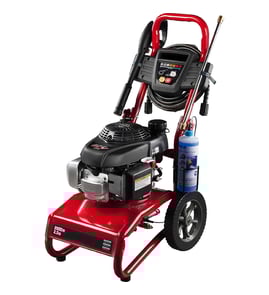



What PSI should my pressure washer be?
For the Craftsman 580752871 gas pressure washer, the “right” PSI depends on what you clean most often; for typical home use, most owners do best in the 1,300 to 2,800 PSI range because it covers cars, decks, fences, patios, and many general outdoor cleaning jobs. For model-specific ratings and operating limits, use the 580752871 owner's manual.
Choose PSI by the job
- 1,300 to 1,900 PSI: vehicles, patio furniture, grills, delicate painted surfaces
- 2,000 to 2,800 PSI: decks, fences, siding (with the right nozzle distance)
- 2,900+ PSI: heavier concrete and stubborn stains (more risk of surface damage)
- Higher PSI is not always better: too much pressure can etch wood, strip paint, or force water behind siding
- Nozzle choice matters as much as PSI: a tighter spray pattern increases cleaning force at the surface
Quick PSI guide (typical home tasks)
| Task | Typical PSI range | Notes |
|---|---|---|
| Wash a car | 1,300 to 1,900 | Use a wider spray pattern and keep distance |
| Clean a deck | 2,000 to 2,800 | Test a small area first to avoid gouging |
| Patio or sidewalk | 2,000 to 3,000 | Use steady passes; avoid lingering in one spot |
| Fence | 2,000 to 2,800 | Increase distance on softer woods |
If cleaning power feels weak
- Verify the garden hose supply is fully on and not kinked
- Purge air from the system (trigger the wand with water on before starting)
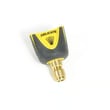
- Check for a clogged or worn spray tip; consider replacing with a matched nozzle set like the pressure washer spray nozzle set 314075GS
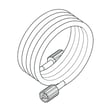
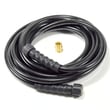
- Inspect for leaks or restrictions in the high-pressure line; a damaged hose can reduce performance (see the pressure washer hose 84006753)
- If you use detergent, confirm the chemical pickup line is intact (see the pressure washer chemical hose 705076)
Why it matters
Using the correct PSI helps you clean faster while protecting surfaces and reducing wear on the pump, hose, and spray nozzle.
Last updated: February 2026
What kind of gas goes in a Craftsman 3000 PSI pressure washer?
For a Craftsman gas pressure washer like model 580752871, we use clean, fresh unleaded gasoline with a minimum 87 octane (87 AKI) rating. Avoid old fuel and do not mix oil into the gas; the engine uses separate engine oil.
Fuel guidelines we follow
- Use fresh unleaded gasoline (87 AKI minimum)
- Use fuel from a clean container; keep dirt and water out
- Do not use gasoline that smells sour or looks dark (stale fuel)
- Do not overfill the tank; leave room for expansion
- Wipe up spills before starting the engine
Quick compatibility table
| Fuel type | Use it? | Notes |
|---|---|---|
| Unleaded 87 AKI (regular) | Yes | Standard choice for most small engines |
| Unleaded 89 to 93 AKI | Yes | Acceptable, but not required |
| E85 (high ethanol) | No | Can cause hard starting and fuel system issues |
| Mixed gas (2-cycle mix) | No | This model uses separate engine oil |
Why it matters
Using the right gasoline helps prevent hard starting, surging, and carburetor varnish. Fresh fuel also protects the pump and engine from downtime when you need full pressure for cleaning.
Related parts that often get checked during “won’t start” or “runs rough” issues
If fuel is correct but performance is still poor, we typically inspect for restrictions, leaks, or spray issues on the water side:
- Pressure washer hose 84006753 (kinks, internal collapse, coupling leaks)
- Pressure washer spray nozzle set 314075GS (clogged or worn tips reduce cleaning power)
- Pressure washer chemical hose 705076 (air leaks can affect detergent draw)
Where to confirm model-specific fuel notes
For any model-specific cautions (fuel stabilizer guidance, storage steps, or ethanol limits), follow the 580752871 owner's manual.
Last updated: February 2026
Can I use SAE 30 instead of 10W30 in my pressure washer?
Yes. For the Craftsman pressure washer model 580752871, SAE 30 detergent oil is a correct substitute for 10W-30 detergent oil in normal temperatures; choose the viscosity based on your outdoor operating temperature and always avoid non-detergent oil.
What oil to use (quick guide)
Use detergent small-engine oil and match viscosity to temperature:
- SAE 30: best for warm weather operation
- 10W-30: good all-around choice with easier cold starts
- 5W-30: best for very cold conditions and winter storage starts
- Never use non-detergent oil (it can shorten engine life)
- Do not overfill; too much oil can cause smoking and hard starting
Temperature and viscosity comparison
| Oil type | Best for | What you may notice |
|---|---|---|
| SAE 30 | Warm climates | Stable protection in heat; thicker when cold |
| 10W-30 | Mixed temps | Easier starting than SAE 30 in cool weather |
| 5W-30 | Cold climates | Best cold starting; may consume slightly more oil |
How to switch oils correctly
- Shut the engine off and let it cool.
- Drain old oil into an approved container.
- Refill with the correct amount of detergent oil.
- Check the level on the dipstick (or fill plug) and top off only to the full mark.
If you are unsure about the exact oil capacity or the recommended temperature range for your specific engine configuration, follow the specs in the 580752871 owner’s manual.
Why it matters
Oil viscosity affects starting, lubrication, and engine wear. Using the right detergent oil for the season helps your pressure washer run cooler, start easier, and last longer.
Last updated: February 2026
Is it worth repairing a pressure washer?
Yes, repairing a pressure washer is usually worth it when the engine and pump are basically sound and the problem is limited to wear items like hoses, nozzles, or fittings. For Craftsman model 580752871, a single part replacement often costs far less than replacing the whole machine; confirm maintenance and troubleshooting steps in the 580752871 owner's manual.
When repair makes sense
Repair is the better value when you have normal wear, leaks, or performance drop caused by common service parts.
- The unit starts and runs, but pressure is low (often nozzle, hose, or inlet restriction)
- You see water leaks at the hose connection or outlet tube
- The spray pattern is uneven or the tip is worn
- The chemical pickup is not drawing soap (often the chemical hose or a blockage)
- The frame, handle, and base are in good shape
When replacement is the better call
Replacement is typically the better choice when the core components are failing and multiple major parts are needed.
| Condition | Typical outcome | What we recommend |
|---|---|---|
| Minor leak, worn tip, damaged hose | Low-cost fix | Replace the affected wear part |
| Repeated loss of pressure after basic checks | Moderate repair | Inspect hose, nozzle, outlet tube, pump mounting |
| Major pump damage plus engine issues | High cost | Compare total parts cost vs. a new unit |
Parts that commonly restore performance
These are frequent fixes for low pressure, leaks, or poor spray on many gas pressure washers.
- Pressure washer hose 84006753 for cracked hose, bulges, or leaking couplers
- Pressure washer spray nozzle set 314075GS for worn tips or incorrect spray pattern
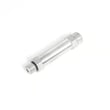
- Craftsman pressure washer outlet tube kit 201497GS for leaks or damaged outlet plumbing
- Pressure washer chemical hose 705076 when detergent siphoning stops working
Why it matters
A pressure washer that is losing pressure or leaking can waste water, reduce cleaning power, and put extra strain on the pump. Fixing the root cause early (often a hose, nozzle, or outlet connection) helps prevent bigger failures and keeps your Craftsman washer working reliably.
Last updated: February 2026
Does Craftsman have a lifetime warranty on pressure washers?
Craftsman pressure washers, including model 580752871, are not sold with a lifetime warranty; coverage is typically limited to a set time period and can vary by component (for example, frame vs. engine vs. pump). For the exact warranty terms that apply to your unit, use the warranty section in the 580752871 owner's manual.
What warranty coverage usually looks like
Warranty terms vary by product line and year, but most pressure washer warranties are structured by component and time.
- Coverage is time-limited (not lifetime)
- Different parts can have different coverage periods
- Wear items and maintenance-related issues are commonly excluded
- Proof of purchase and proper maintenance are commonly required
- Commercial use often changes coverage terms
Quick comparison: lifetime vs. limited warranty
| Warranty type | What it means | What to expect on a pressure washer |
|---|---|---|
| Lifetime warranty | Coverage for the life of the product (or original owner) | Uncommon for complete pressure washers |
| Limited warranty | Coverage for a defined period with exclusions | Most common for Craftsman pressure washers |
| Component-based | Different time periods for different assemblies | Common (engine, pump, frame may differ) |
Why it matters
Knowing the exact warranty term helps you decide whether to pursue warranty service or move straight to repair. It also helps you avoid paying out of pocket for a covered failure, or expecting coverage for items that are considered normal wear.
If you are troubleshooting a problem right now
Even when a repair is not warranty-related, these checks prevent unnecessary parts replacement:
- Confirm the water supply is fully on and the inlet screen is clean
- Purge air by squeezing the trigger with the engine off until flow is steady
- Inspect for leaks, kinks, or soft spots in the pressure washer hose 84006753
- Verify the correct spray tip is installed; a worn tip can reduce pressure
- Check chemical pickup issues by inspecting the pressure washer chemical hose 705076
Last updated: February 2026
What is the most common problem with pressure washers?
Low or no spray pressure is the most common pressure washer problem, including on Craftsman model 580752871. In most cases it comes from a clogged spray nozzle, restricted water supply, or a kinked or leaking high-pressure hose rather than a major pump failure.
Quick checks that fix most “low pressure” complaints
- Confirm the garden hose is fully on and delivering strong flow before starting the engine.
- Purge air: with the engine off, squeeze the trigger until water flows smoothly.
- Inspect the high-pressure hose for kinks, soft spots, or leaks; replace if damaged.
- Clean the spray tip/nozzle; debris in the orifice is the most common restriction.
- Verify you are using the correct spray tip for the job (a wide fan tip produces less “punch” than a narrow tip).
- Make sure the chemical injector is not stuck open (it can reduce pressure on some setups).
Most common causes and what they look like
| Symptom | Most likely cause | What to do first |
|---|---|---|
| Weak spray, engine sounds normal | Clogged spray nozzle | Clean or swap to a different tip; consider replacing the nozzle |
| Pulsing pressure | Air in system or inlet restriction | Purge air, check water supply and inlet screen |
| Pressure drops when you pull the trigger | Hose leak or worn hose | Inspect and replace the hose if it weeps or balloons |
| No pressure but water flows | Tip missing/wrong, injector issue | Install correct tip, check chemical pickup line |
Parts that commonly solve pressure issues on 580752871
If cleaning does not restore pressure, these model-matched parts are common fixes:
- Pressure washer spray nozzle set 314075GS (multiple tips for troubleshooting and correct spray pattern)
- Pressure washer hose 84006753 (replace if kinked, leaking, or internally damaged)
- Pressure washer chemical hose 705076 (replace if cracked or if the injector line is pulling air)
Why it matters
Running with restricted flow or a blocked nozzle makes the pump work harder and can overheat seals. Restoring proper water supply and a clear nozzle protects the pump and keeps cleaning performance consistent.
For operating steps, tip selection, and maintenance intervals, follow the 580752871 owner's manual.
Last updated: February 2026