Installation guide
 Error Codes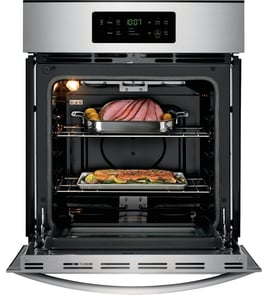



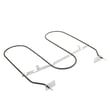

Does Whirlpool make wall ovens?
Yes. Whirlpool makes wall ovens, including electric wall ovens like model RBS245PDQ12, with multiple sizes, configurations (single or double), and finish options depending on the series.
How to confirm what fits your kitchen
Use the cutout and electrical requirements in the installation guide to match your cabinet opening, clearances, and wiring setup before you shop or install.
Key fit checks we recommend:
- Cabinet cutout dimensions and minimum clearances
- Junction box location (wall cabinet vs undercounter guidance)
- Grounding and wire type requirements
- Whether your home uses a 3-wire or 4-wire electrical system
- Mounting method (mounting rails and supplied screws)
Common wall oven features you will see across Whirlpool models
Whirlpool wall ovens commonly vary by configuration and controls. Typical differences include:
- Single vs double oven capacity
- Self-clean vs standard clean
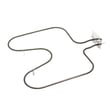
- Hidden vs exposed bake element designs
- Convection vs non-convection cooking
- Control style (touch panel vs knobs)
| What varies | What it affects | What to check |
|---|---|---|
| Cutout size | Whether the oven physically fits | Cabinet opening specs in the installation guide |
| Electrical hookup | Safe, code-compliant power | 3-wire vs 4-wire connection steps |
| Trim and mounting | How the oven sits in the cabinet | Mounting rails, trim attachment, screw locations |
Why it matters
Wall ovens are built to install into a fully enclosed cabinet cutout and must be secured and grounded correctly. Confirming cutout dimensions and electrical connection details first prevents installation delays and helps avoid performance issues.
Last updated: February 2026
How long do Whirlpool wall ovens last?
Whirlpool wall ovens typically last 13 to 15 years. With consistent cleaning, correct installation, and prompt repair of heating or temperature-control issues, many units reach 15 to 20 years of service, including the Whirlpool RBS245PDQ12.
Typical lifespan and what affects it
A wall oven’s life depends most on heat stress, door sealing, and how accurately it controls temperature.
- Heavy use (daily baking, frequent self-clean cycles) shortens lifespan
- A poor door seal or misaligned door increases heat loss and component wear
- Power surges and loose wiring can damage controls
- Overheating from restricted airflow can trip safety devices
- Keeping the cavity and vents clean reduces heat buildup
Quick maintenance that extends life
These steps prevent common failures like uneven baking, long preheat, and overheating.
- Keep the door closing tightly; replace worn bumpers or retainers as needed
- Avoid slamming the door; hinge stress leads to alignment problems
- Wipe spills promptly to reduce smoke and overheating during future bakes
- Use the correct oven light bulb type and wattage
- If temperatures seem off, test and replace the sensor before it stresses other parts
Parts that commonly impact longevity
If your oven starts running hot/cold, takes too long to preheat, or shuts down, these parts are frequent culprits.
| Symptom | Common cause | Example part for RBS245PDQ12 |
|---|---|---|
| Food overcooks or undercooks | Temperature sensing problem | Wall oven temperature sensor WPW10131825 |
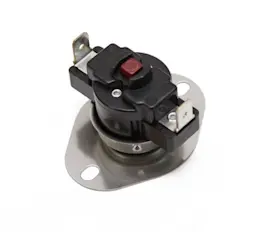
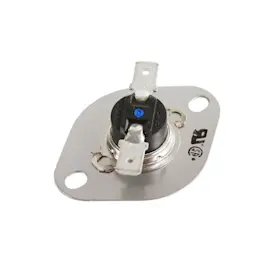
| Oven shuts off or overheats | Safety thermostat opens | Range high-limit thermostat WP9759243 |
| Heat leaks, longer cook times | Door sealing/alignment issue | Wall oven door gasket retainer WP4448933 |
Why it matters
A wall oven that holds temperature accurately and seals well runs fewer extended heat cycles. That reduces stress on the thermostat, sensor, wiring connections, and insulation, which is the difference between a 13-year oven and a 20-year oven.
For installation-related airflow, cabinet cutout, and electrical junction box placement requirements, follow the installation guide.
Last updated: February 2026
Where is the fuse on a Whirlpool oven?
On a Whirlpool built-in oven like model RBS245PDQ12, the “fuse” is typically not inside the oven cabinet. Power protection is handled at your home’s electrical panel (a dedicated circuit breaker or time-delay fuses) and the oven is hardwired into a junction box, usually in the cabinet near the oven cutout. See the installation guide for the recommended junction box location and wiring notes.
What to check first (most common “fuse” locations)
- Home electrical panel: Look for a tripped double-pole breaker labeled “oven” or “wall oven.”
- House fuses (if your home uses fuses): A blown fuse can stop the oven from heating.
- Junction box area: For wall ovens, the junction box is commonly in an adjacent cabinet or just below the support surface (not inside the oven cavity).
- Oven display and operation: If the control is dead, start at the breaker/fuse before suspecting an oven part.
Typical junction box placement for RBS245PDQ12
The installation instructions call out a junction box location close to the oven opening so the conduit can reach without being cut.
| Installation style | Typical junction box location |
|---|---|
| Wall cabinet install | Up to about 3 inches below the support surface (in the cabinet space) |
| Undercounter install | In the adjacent right or left cabinet (recommended) |
If the oven is not heating (after you check the breaker)
If power is present but baking or broiling is inconsistent, a failed sensor or safety thermostat can cause heating problems.
- Test the oven temperature sensor circuit; replace the sensor if it’s out of spec or damaged.
- Check for overheating protection issues if the oven shuts down during use.
Helpful model-matched parts to consider:
Why it matters
Wall ovens like the Whirlpool RBS245PDQ12 are hardwired; there is no user-serviceable “fuse” behind the control panel like some small appliances. Checking the breaker/fuses and junction box location first prevents unnecessary part replacement and helps you restore power safely.
Last updated: February 2026
Why did my Whirlpool wall oven stop working?
If your Whirlpool RBS245PDQ12 wall oven stopped working, the most common causes are a tripped breaker or blown fuse, a power connection problem, or a failed heating or safety component (such as the temperature sensor or high-limit thermostat). Start by confirming the oven has correct power, then check for heat in Bake and Broil.
Quick checks to do first (no disassembly)
- Reset the circuit breaker fully OFF, then back ON (or replace the house fuse if blown).
- Confirm the oven display powers on; after a power interruption, some models show a brief power-failure indicator.
- Try Bake and Broil separately; one mode working and the other not often points to a heating circuit issue.
- Make sure the door closes fully; some functions will not start if the door is not shut.
- If an F-code appears, use it to narrow the problem to a sensor, latch, or control issue.
What usually fails on an electric wall oven
These parts commonly cause a “dead” or “won’t heat” complaint on RBS245PDQ12:
| Symptom | Most likely area | Example part on this model page |
|---|---|---|
| No power, blank display | House power, wiring connection | (Check breaker and wiring) |
| Powers on but won’t heat | Temperature sensing or safety cutout | Wall oven temperature sensor WPW10131825 |
| Heats then shuts off, overheats, or won’t restart | High-limit safety thermostat | Range high-limit thermostat WP9759243 |
| Light out only | Oven light circuit/bulb | Light bulb WP4173175 |
Safe troubleshooting steps that match the installation guidance
Because wall ovens use high voltage, we recommend turning power off at the breaker before any access checks.
- Turn the power supply off before touching wiring.
- If the oven was recently installed or moved, recheck the electrical connection and grounding.
- After restoring power, run a quick heat test: start Bake, wait about 2 minutes, then carefully open the door partway and feel for heat.
For the model-specific door handling and basic operation checks used during installation, follow the installation guide.
Why it matters
A wall oven can stop working from a simple power issue, but a failed sensor or high-limit thermostat can also prevent heating to protect the appliance. Identifying whether the oven is truly “dead” (no display) versus “no heat” helps you choose the right repair path and parts.
Last updated: February 2026