Installation guide
 Owner’s manual




What is the capacity of efls627utt?
The Electrolux EFLS627UTT1 washer has a 4.4 cu. ft. capacity. This is the usable tub volume for washing loads; actual load size still depends on fabric type, soil level, and how freely items can tumble (see the EFLS627UTT1 use & care manual).
Capacity is a tub-volume measurement, not a weight limit. For best cleaning in a front-load washer, we recommend loading so items can tumble and the door closes easily.
- Load mixed items (large and small) together for better balance
- Avoid packing items tightly against the door glass
- Wash single bulky items (comforters, sleeping bags) separately
- Add 1–2 similar items if washing one heavy item to reduce out-of-balance spinning
- Use HE (high efficiency) detergent to help prevent oversudsing
| Spec | EFLS627UTT1 value | Practical tip |
|---|---|---|
| Washer capacity | 4.4 cu. ft. | Fill loosely; items should tumble freely |
| Best indicator you are not overloading | Door closes easily | If you have to push hard, reduce the load |
| Common cause of poor results | Overpacking | Can lead to residue, odor, and vibration |
Using the correct load size for a 4.4 cu. ft. front-load washer helps the wash action work properly, improves rinse performance, and reduces vibration during high-speed spin.
Last updated: January 2026
Is Electrolux considered high end?
Yes. Electrolux is widely considered a premium (high-end) appliance brand, and the Electrolux EFLS627UTT1 front-load washer is positioned in that premium tier with higher-end features and build quality compared with many entry-level washers. For model-specific operation and care details, use the EFLS627UTT1 use & care guide.
When we describe a washer brand or model as high end, we typically mean it offers a stronger mix of performance, features, and long-term ownership experience.
- More advanced wash options (such as sanitize and stain-treatment features on select series)
- Higher spin speeds to reduce dryer time
- Better control features (delay time, control lock, cycle customization)
- More attention to fit, finish, and noise control
- Stronger support for maintenance routines (like a dedicated clean washer cycle)
A front-load washer like the Electrolux EFLS627UTT1 typically lasts 10 to 14 years with normal household use and routine maintenance.
- Using HE detergent and not overdosing
- Running the clean washer cycle regularly
- Keeping the door gasket and dispenser clean
- Avoiding chronic overloading and repeated out-of-balance spins
| Category | Premium front-load (like EFLS627UTT1) | Value/entry-level washer |
|---|---|---|
| Cleaning options | More cycle and option flexibility | Fewer specialized cycles |
| Spin performance | Typically stronger water extraction | Often lower extraction |
| Maintenance features | More guided cleaning routines | Basic cleaning guidance |
| Ownership experience | Quieter, more refined controls | Simpler, fewer features |
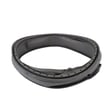
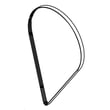
If you are deciding whether to repair or replace, “high end” often means the washer is worth maintaining longer, especially when the fix is a common wear item like a door seal. If you are dealing with leaks or odor around the door opening, the washer door boot 5304505004 is a key component to inspect.
Last updated: January 2026
What is the life expectancy of an Electrolux washing machine?
Electrolux washing machines, including the Electrolux EFLS627UTT1 front-load washer, typically last 10 to 15 years with normal household use and basic maintenance. Keeping the tub, gasket, and dispenser clean and avoiding oversudsing are the biggest factors that help this model reach that lifespan.
We see these items make the biggest difference in how long a front-load washer lasts:
- Detergent use: Use HE detergent and avoid overdosing to prevent residue and extra rinse cycles.
- Moisture control: Dry the door gasket area and leave the door ajar between loads to reduce odor and buildup.
- Monthly cleaning: Run the Clean Washer cycle about once a month (and rinse & spin afterward if recommended).
- Load habits: Avoid chronic overloading and consistently unbalanced loads.
- Installation basics: A level washer and correct drain setup reduce vibration and stress on suspension parts.
For model-specific cleaning and operating steps, follow the EFLS627UTT1 use & care manual.
| Task | How often | Why it helps |
|---|---|---|
| Run Clean Washer cycle | Monthly | Reduces residue that can cause odor and component wear |
| Wipe door gasket folds dry | After laundry day | Helps prevent mold, odor, and leaks |
| Clean dispenser drawer | Monthly or as needed | Prevents clogs and poor dispensing |
| Inspect inlet hoses for wear | Periodically | Helps prevent leaks and water damage |
If your EFLS627UTT1 is approaching the 10 to 15 year range, repairs can still make sense when the fix is targeted and the tub and motor are in good shape.
Common wear-related repairs on front-load washers often involve:
- Door seal leaks or odor issues (door boot)
- Drain problems (pump or filter)
- Door not locking (door lock or strike)
If you’re troubleshooting a leak at the door opening, the washer door boot 5304505004 is one of the key sealing components to check.
Knowing the typical lifespan helps you plan maintenance and decide when a repair is worth it. A little routine care can prevent the most common front-load washer problems (odor, leaks, and draining issues) that shorten service life.
Last updated: January 2026
What are the common problems with Electrolux washing machines?
Electrolux front-load washers such as model EFLS627UTT1 most often have slow draining, spin complaints (clothes too wet), door-area leaks, vibration/noise, and detergent residue or odor. Many of these are prevented with correct loading, HE detergent dosing, and the maintenance steps in the EFLS627UTT1 use & care guide.
- Slow drain or standing water: kinked/clogged drain hose, debris in the pump filter.
- Clothes too wet after spin: load too small, overloaded, or out of balance.
- Front/door leak: debris on the gasket, torn door boot, loose clamp.
- Vibration or banging: washer not level, uneven load, shipping hardware not removed after install.
- Odor or residue: moisture left in the gasket, too much detergent, non-HE detergent.
When troubleshooting involves a repair, these model-matched parts are commonly involved:
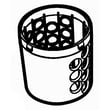
- Drain and slow-drain complaints: washer drain pump filter 5304505165 and washer drain pump assembly 5304514775
- Door leak or mildew at the opening: washer door boot 5304505004
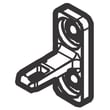
- Door not latching correctly: frigidaire washer door strike 5304505088
| Symptom | Common cause | First action |
|---|---|---|
| Slow drain | Clogged filter, kinked hose | Clean filter; straighten hose |
| Clothes too wet | Load imbalance | Redistribute; add 1-2 similar items |
| Front leak | Door boot debris/tear | Clean gasket; inspect boot |
| Odor | Residue + trapped moisture | Run Clean Washer; dry gasket |
Addressing drain restrictions, door-seal leaks, and oversudsing early helps prevent repeat interruptions, reduces odor buildup, and protects components such as the drain pump and control boards.
Last updated: January 2026