Installation guide
 Owner’s manual
 Error Codes




What are the most common issues with 41791702001?
For the Kenmore 41791702001 stacked laundry center, the most common problems are washer not draining or spinning, water fill issues, dryer not heating, long dry times from restricted airflow, and dryer noise from worn drum support parts. Use the owner's manual for model-specific checks and settings.
Most common symptoms and likely causes
- Washer will not drain: clogged pump filter area, kinked drain hose, failed drain pump
- Washer will not spin or spins poorly: out-of-balance load, lid/door switch or lock issue, worn spin bearing
- Washer will not fill or fills slowly: clogged inlet screens, low water pressure, faulty water valve
- Dryer not heating: failed thermostat or high-limit thermostat, airflow restriction, heating circuit issue
- Dryer takes too long to dry: lint buildup, crushed vent, blocked exterior hood, clogged lint filter
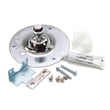
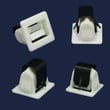
- Dryer is noisy (squeal, thump, scrape): worn drum bearing, drum glide, bearing bracket, rear bearing clip
Quick checks we recommend first
- Unplug the laundry center; for gas models, shut off the gas supply before servicing.
- Clean the lint filter every load; confirm strong airflow at the outside vent.
- Verify the drain hose is not kinked and the standpipe height matches the manual.
- Run a small, balanced test load; redistribute items if the washer bangs or stops.
- If symptoms persist, inspect common wear parts for your complaint.
Parts that commonly fix these issues (when symptoms match)
| Symptom | Common part to inspect/replace | Example from this model’s parts list |
|---|---|---|
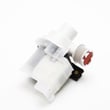
| Washer not draining | Drain pump, drain hose | Washer drain pump 137221600, washer drain hose 134592700 |
| Washer fill problems | Water valve | Water valve 134190200 |
| Dryer noisy drum | Drum bearing, drum glide, bearing bracket | Dryer drum bearing 131825900, dryer drum glide 137513300, dryer drum bearing bracket 131724301 |
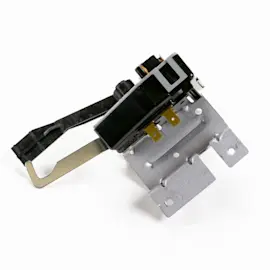
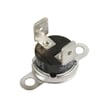
| Dryer overheating or no heat | Thermostats | Dryer operating thermostat 3204307, kelvinator dryer high-limit thermostat 3204267 |
| Long dry times | Lint filter, venting | Dryer lint filter 5304516871 |
Why it matters
Catching airflow restrictions and early bearing wear prevents overheating, repeat shutdowns, and drum damage. On a stacked laundry center like the Kenmore 41791702001, one failing component can create vibration and heat stress across both the washer and dryer sections.
Last updated: March 2026
What is the average lifespan of a Kenmore washer?
For a Kenmore washer, the typical lifespan is 10 to 15 years. On the Kenmore stacked laundry center model 41791702001, good habits like correct loading, proper water temperature, and keeping the drain path clear help you reach the longer end of that range.
What affects lifespan the most
- Overloading: repeated heavy loads strain the drive system, tub, and bearings
- Water quality and temperature: very hot water and mineral-heavy water accelerate wear
- Drain and fill issues: slow filling or poor draining increases cycle time and stress
- Out-of-balance spinning: frequent off-balance loads speed up suspension and bearing wear
- Maintenance and setup: correct installation and venting reduce heat and moisture damage
Maintenance habits that extend life
We recommend these practical steps for the 41791702001:
- Keep loads below the top row of tub holes at the highest fill level (prevents overload strain)
- Fully open hot and cold supply faucets and straighten kinked inlet hoses
- Use hot water that is at least about 130°F when you need best cleaning performance
- Make sure the drain hose is not kinked and the standpipe height is within the specified range
- Clean the dryer lint screen every load to reduce heat buildup in the laundry center
Quick reference: what “normal” looks like
| Item | Typical target | Why it matters |
|---|---|---|
| Washer lifespan | 10 to 15 years | Normal wear on bearings, seals, and controls |
| Water pressure | 30 PSI or higher | Prevents slow fill and long cycles |
| Hot water temp | About 130°F or higher | Improves cleaning, reduces rewashing |
| Standpipe height | 33 to 96 inches | Prevents siphoning and drain problems |
Parts that commonly end a washer’s service life
When a washer is nearing end-of-life, we often see failures in these areas:
- Drain system (pump, hose, clogs)
- Water inlet valve and fill hoses
- Spin/bearing system and related seals
- Electrical connections and harnesses
If your washer is not draining, a failed pump is a common cause; the model uses a replaceable pump such as the washer drain pump 137221600.
Why it matters
A washer that is filling slowly, draining poorly, or frequently going out of balance can still run, but it wears out faster and costs more in time, water, and repeat loads. Following the setup specs in the 41791702001 installation guide helps prevent those avoidable stressors.
Last updated: February 2026
What is the cubic feet capacity of a Kenmore washer model 41791702001?
The washer capacity (in cubic feet) for Kenmore stacked laundry center model 41791702001 is not listed in the installation requirements excerpts we have; most 417-series laundry center washers of this design are typically around 2.5 to 3.2 cu. ft. Check the exact spec in the 41791702001 owner's manual.
How to find the exact capacity for your model
We recommend confirming capacity using the model-specific spec section so you get the correct number for load sizing and detergent dosing.
- Look for “Capacity”, “Washer specifications”, or “Product data” in the manual
- Check for a model/spec label on the unit (often inside the washer door area or on the cabinet frame)
- If the manual lists tub dimensions instead of cubic feet, use the capacity value provided (do not estimate)
- Use capacity to avoid overloading, which can cause poor spin and draining performance
Typical capacity range (what to expect)
If you are comparing units or planning laundry loads, this is the practical range we see for stacked laundry center washers similar to Kenmore 41791702001.
| Washer type | Typical capacity range | Best for |
|---|---|---|
| Compact/stacked laundry center washer | 2.5 to 3.2 cu. ft. | Apartments, smaller loads |
| Full-size top-load washer | 3.5 to 5.0+ cu. ft. | Larger loads, bulky items |
Why it matters
Capacity affects how much you can wash per cycle and how well the washer spins out water. Overloading commonly leads to out-of-balance spinning and poor water removal; the manual’s loading guidance helps prevent that. For example, the troubleshooting guidance notes that out-of-balance loads can affect spinning, and proper loading helps the washer perform as designed.
Related specs you may want to confirm at the same time
While you are checking capacity, we also recommend confirming these model-specific basics:
- Water pressure requirements (typical range is 5 to 100 PSI for this installation style)
- Recommended hot water temperature (commonly 130°F or higher for best results)
- Drain standpipe or laundry tub height (commonly 33 to 96 inches from the bottom of the washer)
Last updated: February 2026