Owner’s manual
 Error Codes


How wide is a 25.6 cubic foot refrigerator?
A 25.6 cu. ft. refrigerator is typically about 36 inches wide. For your GE GSE25GGHECBB side-by-side, the installation instructions show a 36-inch cabinet width for the 25-foot class platform; use the clearances in the owner's manual to plan the exact opening.
Typical width ranges (what you can expect)
Most 25 to 26 cu. ft. refrigerators fall into one of these common width groups:
- About 33 inches: narrower models, often less interior capacity
- About 36 inches: the most common width for 25 to 26 cu. ft. units
- About 42 inches: larger premium configurations (less common)
Quick reference table
| Capacity class | Most common exterior width | Notes |
|---|---|---|
| 23 cu. ft. | ~33 in. | Often fits tighter kitchens |
| 25 to 26 cu. ft. | ~36 in. | Common for side-by-side and many French door models |
| 27 to 29 cu. ft. | ~36 to 42 in. | Depends heavily on door style and features |
Don’t forget installation clearances
Even when the cabinet is 36 inches wide, you still need airflow and room for hookups. The GE installation guidance for this platform calls for:
- Sides: 1/8 inch (4 mm) each side
- Top: 1 inch (25 mm)
- Back: 1/2 inch to 1 inch (13 to 25 mm), depending on configuration
Why it matters
Width alone is not the whole fit. Clearances affect door swing, leveling, air circulation, and space for the water line and electrical connection. Planning the opening using the documented clearances helps prevent rubbing doors, poor cooling, and installation headaches.
Last updated: February 2026
What is the most common problem with a GE refrigerator?
The most common issue we see with GE refrigerators like model GSE25GGHECBB is not cooling properly (fresh food warm, freezer warming, or temperatures swinging). The good news is many “no-cool” complaints trace back to airflow, defrost, or control-sensor problems you can troubleshoot using the owner's manual.
Most common GE refrigerator problems (and what they usually point to)
- Not cooling or weak cooling: dirty condenser area, evaporator fan not running, frost buildup from a defrost failure
- Strange noises: many are normal (sizzling, dripping, gurgling during defrost and pressure equalization)
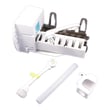
- Ice maker not making ice: water supply issue, frozen fill path, dispenser/ice maker component problem
- Water dispenser not working: clogged filter, air in the line, inlet valve issue
- Leaking water: defrost drain restriction, water line connection seepage, dispenser leaks
- Door not closing/sealing: door alignment, bin/shelf interference, gasket sealing issues
- Interior light out: bulb failure or door switch issue
Quick checks we recommend first (10 minutes)
- Confirm the unit has power and is not in an “off/showroom” type mode (the manual’s troubleshooting section covers this).
- Make sure vents inside both compartments are not blocked by food packages.
- Listen for the evaporator fan; if the freezer is cold but the fridge is warm, airflow is a prime suspect.
- Check for heavy frost on the freezer back panel (often a defrost system clue).
- If water or ice is slow, replace the filter and purge the dispenser.
Common parts that match these symptoms on GSE25GGHECBB
| Symptom | Often involved | Example part on this model |
|---|---|---|
| Warm temps, erratic temps | Temperature sensing/control feedback | GE profile refrigerator temperature sensor WR55X10025 |
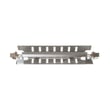
| Frost buildup, warm fridge | Defrost system not clearing ice | Refrigerator defrost heater WR51X10055 or refrigerator defrost bi-metal thermostat WR50X10065 |
| Warm fridge, noisy airflow | Evaporator fan not moving air | Refrigerator evaporator fan motor WR60X10307 |
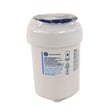
| No water/ice or weak flow | Filter restriction or valve issue | GE refrigerator water filter MWFP or refrigerator water valve WR57X33326 |
Why it matters
Cooling problems can look “random,” but they usually come down to airflow, defrost performance, or water flow restrictions. Catching the pattern early helps prevent food spoilage and reduces strain on the compressor.
Last updated: February 2026
What is the average lifespan of a GE refrigerator?
Most GE refrigerators, including the GE GSE25GGHECBB side-by-side, typically last 12 to 15 years with normal household use. Regular maintenance (clean airflow, good door sealing, and stable temperatures) helps you reach the high end of that range and avoid early cooling or ice maker issues.
Typical lifespan and what affects it
A refrigerator’s life is mostly determined by how hard the sealed cooling system and fans have to work day to day.
- Condenser cleanliness: Dusty coils raise operating temperatures and run time.
- Door gasket condition: Air leaks cause longer run times and frost.
- Ice maker and dispenser use: Heavy use increases wear on valves, solenoids, and moving parts.
- Room temperature and ventilation: Tight clearances and hot garages shorten life.
- Power quality: Frequent outages or surges stress controls and the compressor start components.
Maintenance that extends life (high impact)
Use these habits to reduce compressor run time and prevent common side-by-side problems.
- Vacuum and brush the condenser area regularly.
- Keep freezer vents clear so air can circulate.
- Set stable temps (avoid frequent dial changes).
- Replace the water filter on schedule; a restricted filter can reduce dispenser flow.
- Listen for new noises (fan rubbing, clicking, buzzing) and address them early.
Quick parts that often solve “aging fridge” symptoms
| Symptom | Common cause | Example part for this model |
|---|---|---|
| Warm fresh food section | Weak airflow or defrost issue | Refrigerator evaporator fan motor WR60X10307 |
| Frost buildup, warming | Defrost system problem | Refrigerator defrost heater WR51X10055 |
| Slow water flow | Clogged filter | GE refrigerator water filter MWFP |
Why it matters
Once a refrigerator gets into longer run times (dirty condenser, air leaks, defrost trouble), it runs hotter and harder. That accelerates wear on the compressor, fans, and controls, which is the main reason units fail before their typical 12 to 15-year lifespan.
For model-specific operating and care guidance, follow the maintenance and safety sections in the owner's manual.
Last updated: February 2026
Are GE side-by-side refrigerators good?
Yes. GE side-by-side refrigerators like model GSE25GGHECBB are a solid choice for everyday reliability and convenience; they typically offer easy organization (adjustable shelves and bins), consistent cooling, and practical features like an ice maker and water dispenser. For the exact features and care guidance for your unit, use the owner's manual.
What “good” usually means for this model type
When customers ask if a side-by-side is “good,” we focus on the things that affect daily use and long-term performance:
- Food organization: side-by-side layouts keep frequently used items at eye level.
- Temperature stability: consistent airflow helps maintain safe food temps.
- Convenience features: dispenser and automatic ice maker reduce day-to-day hassle.
- Serviceability: common wear items (filters, valves, fans, sensors) are replaceable.
- Noise expectations: ice makers and fans can be noticeable during cycles.
Common strengths and tradeoffs (quick comparison)
| Area | Typical strength | Typical tradeoff |
|---|---|---|
| Storage access | Easy access to fresh food and freezer items | Narrower shelves than some French door models |
| Ice and water | Built-in dispenser convenience | Ice maker can sound louder during harvest/fill |
| Maintenance | Straightforward routine upkeep | Needs periodic filter changes and coil cleaning |
Parts that most often affect satisfaction
If performance or convenience starts to slip, these are the parts we see most often tied to common complaints (slow ice, warm temps, dispenser issues):
- Water quality and flow: GE refrigerator water filter MWFP
- Cooling airflow: refrigerator evaporator fan motor WR60X10307
- Temperature feedback: GE profile refrigerator temperature sensor WR55X10025
- Ice and water supply: refrigerator water valve WR57X33326
Why it matters
A “good” refrigerator is one that holds steady temperatures, fits your storage habits, and stays easy to maintain. On side-by-side models, small maintenance items (especially the water filter and airflow-related parts) have an outsized impact on ice production, dispenser performance, and overall cooling consistency.
Helpful DIY reading
Last updated: February 2026