Owner’s manual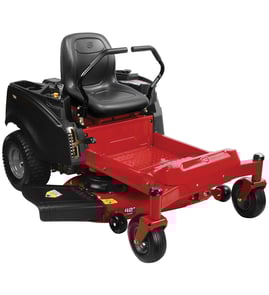
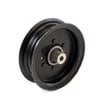



Do I need to replace the drive belt tensioner?
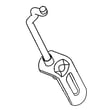
You only need to replace the drive belt tensioner on your Husqvarna 965881301 when it no longer keeps proper belt tension or the pulley parts are worn. If the belt is slipping from wear, the manual directs replacing the belt; a weak or rough tensioner is a common reason a new belt still slips. See the belt routing and service notes in the 965881301 owner’s manual.
When replacement is recommended
Replace the tensioner (or its pulley/spring) when you notice any of these conditions:
- The belt slips even after correct routing and proper tension is applied
- The idler pulley wobbles, binds, squeals, or feels rough when spun by hand
- The idler arm does not move smoothly or does not return firmly (weak spring)
- The belt shows abnormal wear patterns (glazing, frayed edges, “burn” look)
- The belt jumped off the pulleys and you find shiny, grooved, or damaged pulley surfaces
Quick checks before you buy parts
- Park on a level surface, set the parking brake, and remove the key.
- Confirm the belt is routed exactly like the deck decal and has no twist.
- Inspect the idler pulley faces for grooves and the pulley bearing for roughness.
- Check that the idler arm pivots freely and the spring applies firm tension.
- Make sure no grease or oil is on the belt or pulley drive surfaces (clean with spirits if needed).
What the manual says (and how it relates)
The manual guidance focuses on belt condition and routing:
| Symptom | Most likely cause | What to do first |
|---|---|---|
| Belt slips under load | Worn belt, contaminated belt, weak tensioner spring | Clean belt/pulleys; verify routing; replace belt if worn |
| Belt keeps coming off | Misrouting, bent idler arm, damaged pulley | Verify routing decal; inspect idler arm and pulleys |
| Squeal or grinding near idler | Failing idler pulley bearing | Replace the idler pulley/tensioner assembly |
Why it matters
A worn tensioner can let the belt slip, overheat, and wear out quickly. That leads to poor cutting performance and repeated belt failures, even when you install a new belt correctly.
Last updated: February 2026
How to tell the year model of a Husqvarna riding mower?
For Husqvarna riding mower model 965881301, we use the serial number to identify the manufacturing year. On most Husqvarna tractors, the serial number label is under the seat; the first four digits of the serial number indicate the year it was built (YYYY).
Where to find the serial number
Check these common label locations first:
- Under the seat (tilt the seat forward; this is also where fuses are commonly accessed)
- On the frame near the seat pan or rear fender area
- Near the engine compartment or rear chassis rail
- On a model and serial tag grouped with other ID information
For label location diagrams and model identification notes, use the 965881301 owner's manual.
How to read the serial number (quick guide)
Most Husqvarna serial formats start with the build year.
| What you see | What it means | Example |
|---|---|---|
| First 4 digits | Manufacturing year | 2019xxxxxxx = built in 2019 |
| Remaining digits | Production sequence and plant info | Varies by unit |
If the tag is missing or unreadable
Use these steps to get a reliable year match:
- Clean the tag area with a damp rag and mild soap; avoid harsh solvents
- Take a clear photo with flash, then zoom in to read faint digits
- Record both the model number (965881301) and the full serial number
- Check any service paperwork; the manual notes that parts ordering often uses purchase year, model, type, and serial number
Why it matters
The manufacturing year helps us match the correct parts and specifications for your mower, especially for items that change over production runs (like wiring harnesses, switches, belts, and deck components).
Last updated: February 2026
Is 500 hours a lot for a Husqvarna riding mower?
No. For a Husqvarna riding mower like model 965881301, 500 hours is a normal, mid-life amount of use when the mower has been serviced on schedule; it is also close to the hour limits used in some Husqvarna warranty schedules, so condition and maintenance history matter more than the number alone.
What 500 hours usually means
- A well-maintained mower at 500 hours should still start reliably, cut evenly, and drive smoothly.
- Wear items (blades, belts, filters, spark plugs) are commonly due or overdue by this point.
- If service has been skipped, 500 hours can feel “high” because small issues stack up.
Maintenance checkpoints to review at 500 hours
Use the service journal and intervals in the 965881301 owner’s manual to confirm what has been done.
- Oil and oil filter: oil changes are typically frequent; oil filter is commonly a 100-hour item.
- Air filter: foam prefilter and paper cartridge are periodic replacements.
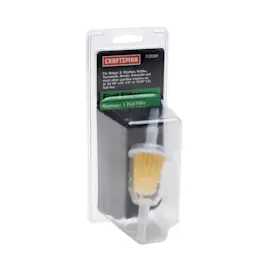
- Fuel filter: commonly replaced around 100-hour intervals.
- Spark plugs: clean/replace on schedule.
- Belts and deck checks: inspect V-belts and check/adjust the mower deck.
Quick interval snapshot (typical schedule items)
| Service item | Common interval referenced in service journals | Why it matters |
|---|---|---|
| Engine oil | 50 hours | Prevents engine wear and overheating |
| Oil filter | 100 hours | Protects engine from debris |
| Fuel filter | 100 hours | Prevents lean running and hard starts |
| Deck check/adjust | 300 hours | Keeps cut quality consistent |
What to inspect before buying (or to judge condition)
- Cold start behavior (no excessive cranking)
- Smoke at startup or under load
- Hydrostatic drive response (smooth forward and reverse)
- Deck vibration and cut quality (bent or dull blades are common)
- Evidence of routine upkeep (clean air intake, documented service journal)
Why it matters
Hour count is only one piece of the story. A mower with 500 hours and consistent maintenance often outperforms a lower-hour mower that ran with dirty filters, old fuel, or neglected belt and blade service.
If cut quality is the concern at higher hours, replacing worn deck wear items such as the mulching blade 532134149 is a common first step.
Last updated: February 2026
Is it worth replacing a lawn mower engine?
Yes, replacing the engine on your Husqvarna riding mower model 965881301 is worth it when the tractor chassis, mower deck, and drive components are solid and the total repair cost stays well below the cost of a comparable new mower. Use the 965881301 owner’s manual to confirm safe service steps and maintenance expectations.
Quick decision checklist
- The mower deck is not rusted through, cracked, or badly bent
- The transmission and steering feel normal (no slipping, binding, or severe play)
- You can still get key wear parts (belts, blades, pulleys, switches)
- The engine failure is clearly engine-related (low compression, thrown rod, seized crank)
- The total engine-swap cost (engine, hardware, fluids, labor) is comfortably under a new unit
- You plan to keep the mower for several more seasons
Cost and value guide
A practical rule: if the engine replacement approaches 50% of the price of a comparable new rear-engine rider, replacement usually makes less sense.
| Situation | Engine replacement usually makes sense | New mower usually makes sense |
|---|---|---|
| Deck and frame condition | Solid, straight, minimal corrosion | Rust damage, cracks, or major deck wear |
| Parts availability | Common parts still available | Multiple hard-to-find parts needed |
| Your goals | Keep a known machine, DIY-friendly | Want warranty, upgrades, less downtime |
What to inspect before you commit
Follow the safety steps in the manual before inspecting (park brake set, blades disengaged, key off, moving parts stopped, spark plug wire disconnected).
- Deck and blade system: check spindles, idlers, and belt routing; worn deck-drive parts can add cost quickly
- Belts and pulleys: look for glazing, cracking, wobble, or seized bearings
- Electrical and safety interlocks: a no-start can be a switch or wiring issue, not an engine
- Fuel and cooling airflow: debris buildup and poor maintenance can shorten engine life
If you are also refreshing the cutting system, replacing a worn blade at the same time can improve results; the mulching blade 532134149 is one model-matched option.
Why it matters
An engine swap can restore reliability, but only if the rest of the tractor is safe and mechanically sound. The manual emphasizes keeping hardware tight, not tampering with safety devices, and performing repairs with the engine off; those basics protect your investment and reduce repeat failures.
Last updated: February 2026
What are the benefits of a rear engine mower?
A rear-engine riding mower like Husqvarna model 965881301 gives you a compact, easy-to-handle tractor that fits well in tighter yards. With the engine over the rear wheels, you typically get better traction on flat ground and a shorter overall length for easier storage and maneuvering (especially around landscaping).
Key benefits you will notice
- Compact footprint: easier to park in a shed or garage than many larger lawn tractors.
- Good rear-wheel traction: the engine weight sits over the drive wheels, helping grip on dry turf.
- Simple, homeowner-friendly operation: designed for routine mowing and basic yard maintenance.
- Better visibility to the front: the hood area is usually lower than on larger tractors, helping you line up passes.
- Efficient for smaller to mid-size lawns: quick turns and less bulk around trees and beds.
How this affects mowing performance
Rear-engine riders are often chosen for convenience and handling rather than heavy-duty towing. Blade and deck condition still drive cut quality, so keeping blades sharp and the deck clean matters.
| What you care about | Rear-engine rider advantage | What to watch for |
|---|---|---|
| Maneuvering | Shorter machine, easier turning | Avoid aggressive turns that can scuff turf |
| Traction | More weight on drive wheels | Use extra care on slopes and wet grass |
| Storage | Typically smaller overall size | Store with deck cleared of debris |
Safety and operating notes (important)
Our 965881301 owner’s manual emphasizes safe operation practices that matter on any riding mower:
- Wear eye protection.
- Watch for traffic near roadways.
- Keep the machine free of grass and debris buildup near hot engine/exhaust parts.
- Remove the key when leaving the mower.
- Stop the engine, remove the key, and set the parking brake before making adjustments.
Why it matters
Choosing a rear-engine rider is usually about getting a mower that feels less bulky, is easier to store, and is straightforward to operate for regular lawn cutting. If your yard has tighter spaces, that compact design can save time and effort.
Last updated: February 2026
What are the signs of a bad drive belt tensioner?
On the Husqvarna 965881301 rear-engine riding mower, a failing belt tensioner (idler arm and spring system) shows up as belt slip, squealing, and inconsistent deck or drive performance. The manual also notes belts are not adjustable; if the belt slips from wear, replacement is the fix (not tightening).
Common signs you have a tensioner problem
- Squealing or chirping noise when you engage the mower deck (belt slipping on pulleys)
- Deck belt repeatedly jumps off or rides out of the pulley grooves
- Mower deck engagement feels inconsistent; blades surge, slow down, or stop in heavy grass
- Visible belt flutter or “whipping” while running
- Idler pulley wobble, rough bearing feel, or a pulley that does not spin freely
- Weak, stretched, or broken idler spring that cannot keep steady tension
Quick checks we recommend (safe, practical)
- Park on a level surface, stop the engine, remove the key, and let moving parts fully stop.
- Inspect the belt for severe cracking, large nicks, glazing, or frayed edges.
- Check the idler pulley by hand for roughness, play, or binding.
- Inspect the idler arm pivot for sticking, rust, or bent hardware.
- Confirm belt routing matches the routing decal shown in the 965881301 owner’s manual.
Belt slip causes: tensioner vs. belt vs. contamination
| What you notice | Most likely cause | What to do next |
|---|---|---|
| Squeal under load, belt looks shiny/glazed | Worn belt | Replace the deck belt; verify routing |
| Belt keeps coming off | Weak spring, misrouted belt, bent idler arm | Check spring/arm movement; correct routing |
| Slip after lubrication work | Oil/grease on belt or pulleys | Clean drive surfaces; replace belt if slip continues |
Why it matters
A weak tensioner lets the belt slip, which overheats and wears the belt quickly, reduces cut quality, and can lead to repeated belt throw-off. Keeping the idler pulley and spring working smoothly helps the deck engage reliably.
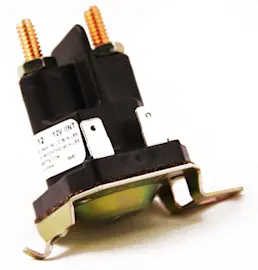
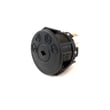
If you are also seeing deck engagement issues, the PTO circuit can contribute; the switch 582107601 is one common electrical part tied to blade engagement.
Last updated: February 2026
What is the life expectancy of a Husqvarna riding mower?
A Husqvarna riding mower like model 965881301 typically delivers 400 to 800 operating hours in homeowner use, which commonly works out to about 10 to 15 years with routine maintenance. With excellent care and timely replacement of wear items (belts, blades, filters), many units reach 1,000+ hours before major overhaul.
What most affects mower lifespan
- Maintenance frequency (oil changes, air filter service, blade care)
- Operating conditions (dusty mowing, steep hills, wet grass, heavy towing)
- Storage habits (kept clean and dry vs. left outdoors)
- Cooling airflow (debris around engine and belts shortens life)
- Wear-item replacement (belts, blades, filters are normal upkeep)
Maintenance targets that extend life
Your 965881301 operator guidance emphasizes routine checks like oil level (often at refueling), keeping the machine clear of debris, and periodic service intervals. Use the 965881301 owner’s manual to follow the maintenance schedule and log service in the service journal.
| Item | Good practice | Why it helps |
|---|---|---|
| Engine oil level | Check frequently; change on schedule | Reduces engine wear |
| Air filter | Clean/replace as needed | Prevents dirt damage |
| Blades | Sharpen or replace when dull | Reduces strain on deck and engine |
| Belts/pulleys | Inspect for cracking and glazing | Prevents sudden failures |
Common wear parts you should expect to replace
These are normal “consumables” over the mower’s life, especially if you mow weekly:
- Deck blades (for example, mulching blade 532134149 or lawn mower blade 532405380)
- Blade drive belt (for example, blade drive belt 539114557)
- Idler components (for example, idler pulley, left-hand stationary 532196104)
Why it matters
Planning for lifespan in hours (not just years) helps you budget for routine parts and prevents downtime during peak mowing season. A mower that is serviced on schedule typically cuts cleaner, runs cooler, and avoids expensive engine or deck repairs.
Last updated: February 2026