Installation guide
 Owner’s manual



What does E1 mean on a KitchenAid dishwasher?
On the KitchenAid KUDC10FXSS5 dishwasher, an E1 code points to a drain or water handling problem (the dishwasher is not draining correctly or is detecting an abnormal fill/drain condition). We start by resetting the control, then checking the drain path, drain hose routing, and the drain pump.
Quick reset and first checks
- Turn the dishwasher off, then restore power (unplug or switch the breaker off) for 5 minutes.
- Restart a cycle and listen for the drain pump running at the beginning or end of the cycle.
- Cancel the cycle and run a drain to see if water evacuates quickly.
- Check the sink drain or garbage disposer connection for a clog.
Most common causes (and what to inspect)
- Clogged drain path: food debris in the sump area or drain outlet.
- Drain hose issue: kinked hose, crushed section, or improper routing.
- Drain pump problem: pump jammed, noisy, or not running.
- Control or wiring issue: loose connection at the pump or harness.
Parts that commonly fix E1-type drain problems
If your KUDC10FXSS5 won’t drain or drains slowly, these model-matched parts are common fixes:
| Symptom you notice | What it usually points to | Model-matched part to consider |
|---|---|---|
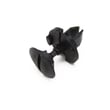
| Standing water after cycle | Drain pump not pumping or jammed | Dishwasher drain pump WPW10348269 |
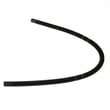
| Drains sometimes, sometimes not | Hose routing/kink or partial clog | Dishwasher drain hose 8269144A |
| Slow drain, gurgling | Restriction in hose or drain connection | Dishwasher drain hose WPW10545278 |
Why it matters
When the dishwasher cannot drain normally, water can remain in the tub and trigger repeated error codes, poor wash results, and odors. Fixing the drain path first is the fastest way to restore normal operation.
Where to confirm routing and installation details
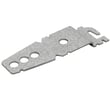
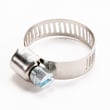
For the correct drain hose routing, clamp placement, and connection steps for this model, follow the KUDC10FXSS5 installation guide.
Last updated: February 2026
How to reset error code on KitchenAid dishwasher?
On the KitchenAid KUDC10FXSS5 dishwasher, most error codes clear after you cancel the cycle and let the dishwasher run its short drain and self-check. If the code returns right away, focus on the system involved (drain, fill, or heating) before replacing parts.
Quick reset steps (works for most codes)
- Press Cancel/Drain (or Cancel) once.
- Close the door and let the dishwasher run the drain and reset routine (typically a few minutes).
- When it stops, wait 30 seconds, then start a new cycle.
- If the display still shows a code, turn power off at the breaker for 1 minute, then restore power.
- Run a Rinse or Quick cycle to confirm the code is cleared.
For the exact button sequence and any model-specific diagnostics, follow the KUDC10FXSS5 owner’s manual.
If the code comes back: what to check first
Many “won’t reset” situations are the dishwasher detecting the same problem again. Check these common causes:
- Not draining: kinked hose, clogged disposer inlet, blocked sink air gap (if used)
- Drain pump issue: pump jammed or failed (consider the dishwasher drain pump WPW10348269)
- Not filling: water supply valve closed, inlet screen clogged, low water pressure
- Inlet valve issue: valve not opening (consider the dishwasher water inlet valve WPW10327249)
- Heating-related: heater circuit problem, poor drying, water not warming (consider the dishwasher heater W10703867)
Fast symptom-to-part guide
| What you notice | Most likely area | Common part to inspect |
|---|---|---|
| Standing water in tub | Drain path or pump | Drain hose, drain pump |
| No water entering | Supply or inlet valve | Water inlet valve |
| Poor drying, cool wash | Heater circuit | Heating element |
Why it matters
Resetting clears the control’s stored fault, but the dishwasher will post the code again if it still senses a drain, fill, or heat problem. A quick check of hoses, valves, and the pump prevents repeat shutdowns and protects the motor and control.
Last updated: February 2026
What is the lifespan of a KitchenAid dishwasher?
A KitchenAid dishwasher typically lasts 10 to 14 years. For your KitchenAid KUDC10FXSS5 undercounter dishwasher, consistent cleaning, correct installation, and fixing small issues early (drain, heating, or door problems) are what most often determine whether it reaches the high end of that range.
What affects lifespan the most
- Water quality: hard water speeds up mineral buildup and can reduce cleaning and drying performance
- Maintenance: keeping the tub, spray areas, and seals clean reduces strain on the pump and motor
- Loading habits: overloading can block spray and increase wear on racks and wheels
- Heat and drying performance: poor drying can point to heater or rinse aid issues
- Drain performance: slow draining can overwork the drain system
Quick care checklist (high impact, low effort)
- Use rinse aid for better drying and to help control hard water deposits (this is especially important on energy-efficient models).
- Expect longer cycles (often 2 to 3 hours, and sometimes longer with options); longer run time is normal and not a sign of failure.
- Keep the door closing and latching smoothly; a door that does not latch can prevent starting.
- Periodically inspect the lower door area for leaks or gaps and keep the sealing surfaces clean.
- Address slow drain symptoms early (standing water, gurgling, or a dirty sump smell).
Common “wear” parts vs. “failure” parts
| What you notice | Most likely category | Typical next step |
|---|---|---|
| Rack won’t roll smoothly | Wear item (rack wheels/stops) | Replace worn wheel/stop parts |
| Water left in bottom | Drain system issue | Check hose routing, then pump |
| Dishes not dry | Drying system / setup | Confirm rinse aid use; check heater |
| Loud grinding during wash | Wash motor/sump issue | Inspect sump area; test motor |
Parts that often come up on older dishwashers
If symptoms match, these are common replacements for the KUDC10FXSS5:
- Dishwasher drain pump WPW10348269 (won’t drain, humming during drain)
- Dishwasher heater W10703867 (poor drying, water not heating)
- Dishwasher water inlet valve WPW10327249 (won’t fill, fills slowly)
- Seal WPW10497235 (leaks at the bottom of the door)
Why it matters
A dishwasher that is maintained and operating normally runs with less strain on the circulation system, heater, and drain components. That reduces overheating, clogging, and leak damage, which are the most common reasons dishwashers fail before the 10-year mark.
For model-specific operating and care guidance, follow the KUDC10FXSS5 installation guide and your use and care instructions.
Last updated: February 2026
What is the most common problem with KitchenAid dishwashers?
The most common problems we see with KitchenAid dishwashers like model KUDC10FXSS5 are poor cleaning (food left on dishes), draining problems (water left in the tub), and leaks around the door. Many of these issues trace back to normal wear items such as filters, pumps, hoses, and door seals; use the KUDC10FXSS5 owner’s manual for model-specific checks and care steps.
Most common symptoms and what usually causes them
- Dishes not getting clean: clogged filter area, blocked spray paths, low water temperature, or a weak wash pump
- Standing water after a cycle: kinked/blocked drain hose, drain loop/air gap issue, or a failing drain pump
- Leaking at the door: worn lower door seal, tub gasket issues, or the dishwasher not level/centered
- Won’t start or stops mid-cycle: door not latching, power supply issue, or control/electrical problem
- Long cycle times: many newer designs run 2 to 3 hours per load to save energy while maintaining cleaning performance
Quick checks we recommend first (safe, no parts required)
- Confirm the door closes fully and latches.
- Verify the water supply valve is turned on.
- Check the breaker or house fuse.
- Run the shortest cycle and, after about 2 minutes, open the door and confirm there is water in the bottom of the tub.
- Make sure the dishwasher is level and centered so the door does not rub the cabinet or mounting screws (leveling legs and centering adjustments are covered in the KUDC10FXSS5 installation guide).
Parts that commonly fix these problems on KUDC10FXSS5
| Symptom | Common fix | Example part for this model |
|---|---|---|
| Not draining | Replace a weak drain pump; clear hose restrictions | Dishwasher drain pump WPW10348269 |
| Leaking at bottom of door | Replace the lower door seal | Seal WPW10497235 |
| Not filling or fills slowly | Replace the water inlet valve | Dishwasher water inlet valve WPW10327249 |
Why it matters
Drain, leak, and fill problems can lead to poor wash results, odors, and repeated cycle interruptions. Catching the root cause early helps protect the motor, heater, and electronic control from secondary damage.
Last updated: February 2026
Do KitchenAid dishwashers have filters that need to be cleaned?
Yes. KitchenAid dishwashers, including model KUDC10FXSS5, use a filter system that should be cleaned regularly to prevent food debris buildup that can cause odors, poor wash results, and slow draining. On most KitchenAid designs, the filter is in the bottom of the tub under the lower rack and twists out for rinsing.
How to clean the dishwasher filter
- Turn the dishwasher off; let it cool if it recently ran.
- Pull out the lower rack.
- Locate the filter area at the bottom of the tub (near the lower spray arm).
- Twist the filter assembly to unlock, then lift it out.
- Rinse under warm water; use a soft brush for stuck-on debris.
- Reinstall the filter fully seated and locked, then reinstall the rack.
Cleaning tips that prevent repeat clogs
- Clean the filter about once a month in average use; more often if you see grit or standing water.
- Avoid forcing the filter; align tabs and turn gently until it locks.
- Do not run the dishwasher without the filter installed.
- Scrape large food scraps off dishes to reduce filter loading.
- If you notice draining issues after cleaning, check the drain path and hose routing.
If cleaning the filter does not fix draining or odors
A dirty filter is common, but drainage problems can also come from the drain system. For KUDC10FXSS5, these parts are often involved:
| Symptom | Common cause | Part to consider (if needed) |
|---|---|---|
| Water left in bottom | Weak or jammed drain pump | Dishwasher drain pump WPW10348269 |
| Slow drain or backflow | Kinked or restricted drain hose | Dishwasher drain hose 8269144A |
| Poor cleaning plus debris | Wash system not circulating well | Dishwasher sump and motor assembly WPW10780877 |
Why it matters
A clean filter keeps water moving correctly through the wash and drain system. That protects key components like the drain pump, helps prevent redepositing food particles on dishes, and reduces the chance of musty odors.
For model-specific filter removal details and diagrams, use the KUDC10FXSS5 owner’s manual.
Last updated: February 2026
Can you dishwasher KitchenAid parts?
For the KitchenAid KUDC10FXSS5 undercounter dishwasher, most dishwasher-safe items can go in the racks, but only parts specifically designed to be dishwasher-safe should be washed inside the machine. For dishwasher components, we follow the KUDC10FXSS5 installation and care guidance to avoid damage and leaks; check the KUDC10FXSS5 installation guide for handling and reassembly details.
What “dishwasher-safe parts” means (and what we recommend)
Dishwashers are built to wash dishes, not loose appliance parts. Heat, detergent, and spray pressure can warp plastics, strip lubricants, and trap debris in small passages.
- Wash only parts that are meant to be removed and cleaned (filters, racks, some spray-arm pieces if your model allows it)
- Avoid washing electrical parts (controls, sensors, wiring) in the dishwasher
- Avoid washing rubber seals and gaskets with harsh detergent or high heat
- Keep screws and small hardware out of the tub; they can fall into the pump area
- If you remove racks or panels during service, reinstall them correctly before running a cycle
Safe cleaning approach for KUDC10FXSS5 dishwasher components
We recommend cleaning most dishwasher parts by hand using warm water and mild dish soap.
| Part type | Best cleaning method | Why |
|---|---|---|
| Racks, rack wheels, rail stops | Hand wash, soft brush | Prevents cracking and keeps rollers moving freely |
| Filters and screens | Rinse and brush | Clears food soil without damaging mesh |
| Door seals and gaskets | Wipe with damp cloth | Protects sealing surfaces from swelling or distortion |
| Pumps, motors, controls | Do not wash | Water intrusion can cause failure |
If you are cleaning to fix draining or standing water
If the issue is poor draining, cleaning alone may not solve it. Common fixes include clearing the drain path and checking the drain pump and hose.
- Check for a kinked or clogged drain hose
- Clear debris from the sump area (with power off)
- Verify the drain loop/connection is correct per the install instructions
- If the dishwasher hums but will not drain, the pump may be failing
Relevant replacement parts for this model include the dishwasher drain pump WPW10348269 and dishwasher drain hose 8269144A.
Why it matters
Using the wrong cleaning method can create leaks, poor wash performance, or repeat clogs. Following the KUDC10FXSS5 guidance helps protect the tub seal, pump area, and installation clearances.
Last updated: February 2026