


What does F4 mean on a Whirlpool dishwasher?
On a Whirlpool dishwasher like model DU943PWKQ0, an F4 code commonly points to a drain problem (the dishwasher is not pumping water out as expected). Clearing the water and restoring normal draining usually clears the code.
- Cancel the cycle and let the drain run; listen for the drain pump sound.
- Check the sink drain and garbage disposal inlet (a clog here can mimic a dishwasher drain failure).
- Inspect the drain hose for kinks, crushing, or a low loop that is missing.
- Look for standing water in the tub; remove debris around the sump area.
- Power reset: turn off the breaker for 1 minute, then restore power and try a drain or rinse cycle.
If the basics look good, these model-compatible parts are common fixes:
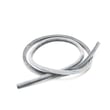
- Drain path restriction: replace a cracked or internally clogged hose such as the dishwasher drain hose WP3374077.
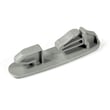
- Water level sensing issue: a stuck float can prevent proper draining behavior; inspect and, if needed, replace the dishwasher float assembly WP3376397.
- Wash system not moving water correctly: if you hear humming, grinding, or the unit will not circulate or drain reliably, the motor can be involved; consider the pump motor W10428168.
| What you notice | Most likely cause | What we do next |
|---|---|---|
| Water left in bottom after cycle | Clog or kinked hose | Check hose routing; clean sink/disposal path |
| Loud hum but little/no draining | Pump jam or failing motor | Clear debris; evaluate pump/motor |
| Intermittent drain, overfills, or odd stopping | Float stuck or misreading | Clean float area; check float movement |
A true drain fault can leave dirty water in the tub, trigger repeated beeping, and stop the cycle mid-program. Fixing the drain path early also helps prevent odors and improves cleaning performance.
- Use our Whirlpool dishwasher error codes guide to confirm what the flashes/beeps mean on your control style.
- If the control seems “stuck” after the error, follow how to reset a Whirlpool dishwasher.
Last updated: February 2026
What is the most common problem with Whirlpool dishwashers?
The most common Whirlpool dishwasher problem is not draining (standing water in the tub). On Whirlpool DU943PWKQ0, this is usually caused by a clog or restriction in the drain path, or a drain component that is worn, loose, or leaking.
- Cancel the cycle and let the unit drain; listen for the drain motor sound.
- Remove any standing water and check the sump area for debris (glass, labels, food).
- Inspect the sink drain or garbage disposal connection for a blockage.
- Check the drain hose routing for kinks and make sure it has a proper high loop.
- Run a rinse cycle after cleaning to confirm water is moving strongly.
If the dishwasher still will not drain or it drains slowly, these model-matched parts are common fixes:
- Dishwasher drain hose WP3374077 (kinks, internal blockage, or a split hose)
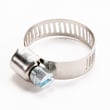
- Clamp WP596669 (loose connection causing leaks or air intrusion)
If the dishwasher drains but dishes are still dirty, the issue is often water flow or spray action:
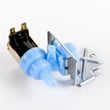
- Valve-inlt W10844024 (weak fill can reduce wash pressure)
- Dishwasher spray arm WP8268874 (clogged jets reduce cleaning)
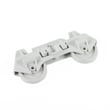
- Dishwasher lower spray arm seal WP3376846 (leaks at the spray arm can reduce pressure)
| Symptom | Most likely cause | What we recommend |
|---|---|---|
| Water left in bottom | Drain restriction | Check hose routing; consider dishwasher drain hose WP3374077 |
| Poor cleaning | Low spray pressure | Clean spray arm holes; inspect dishwasher spray arm WP8268874 |
| Leaking at door | Worn door seal | Replace dishwasher door seal WPW10509257 |
| Won’t start or stops | Control or latch issue | Verify door closes firmly; inspect dishwasher door latch WP3380854 |
Drain and water-flow problems can make a Whirlpool dishwasher seem “dead” or ineffective, but they are often caused by simple restrictions or a few high-wear parts (hose, inlet valve, spray arm, door seal). Fixing the root cause prevents repeat clogs, leaks, and poor cleaning.
For control-related issues, we use the same troubleshooting approach Whirlpool recommends for many models; see how to reset a Whirlpool dishwasher and, if your unit displays a fault pattern, Whirlpool dishwasher error codes.
Last updated: February 2026
What model of Whirlpool dishwasher do I have?
Your Whirlpool dishwasher’s model number is printed on the rating label inside the door. Open the door and look along the inner edge of the tub opening (commonly on the left side); the label lists both the model number and serial number.
- Open the dishwasher door fully and use a flashlight.
- Check the inner door frame and the tub lip around the opening.
- Look for a sticker or metal tag labeled Model and Serial.
- Write the model number exactly as shown (letters and numbers).
- If the label is worn, take a close-up photo and zoom in.
Most Whirlpool dishwasher model numbers are a mix of letters and numbers (for example, DU943PWKQ0). Once you have it, you can match it to the correct parts list for your exact unit.
| Where you look | What you’re looking for | Why it helps |
|---|---|---|
| Inner door frame or tub opening | Model and serial label | Confirms the exact model for parts compatibility |
| Control panel area (less common) | Secondary label | Backup location if the main label is missing |
Parts like a door seal, drain hose, or spray arm can look similar across Whirlpool dishwashers, but fit and mounting details vary by model. Using the exact model number helps us match the right replacement part the first time.
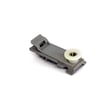
If your model is DU943PWKQ0, common fit-related parts you may shop by include the dishwasher door seal WPW10509257 and the dishwasher door latch WP3380854.
Last updated: February 2026







