Installation guide
 Error Codes


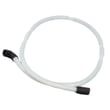

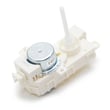
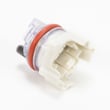
What are the most common issues with IUD8010DS1?
The most common issues we see with the Ikea IUD8010DS1 dishwasher are draining problems, poor cleaning, leaks, and not starting. These symptoms usually trace back to a clogged filter, a restricted drain path, a failing pump, a door latch problem, or a water inlet issue; all are repairable with the right checks.
- Won’t drain or drains slowly: clogged filter area, kinked drain hose, or a weak drain pump
- Not cleaning well: blocked spray arm holes, dirty filter, or a diverter problem
- Leaks: worn door seals, tub gasket issues, or loose/aged hoses
- Won’t start: door not latching, control not responding, or wiring/connection issues
- Not filling: water supply valve closed, inlet screen clogged, or inlet valve failure
- Turn off power at the breaker before inspecting wiring or internal components.
- Clean the filter area and remove debris from the sump.
- Inspect the drain hose routing for kinks and confirm the high loop/air gap setup.
- Check that the door closes firmly and the latch engages.
- Run a rinse cycle and listen: drain pump sound, fill sound, and spray action help narrow the cause.
| Symptom | Common part to inspect/replace | What it does |
|---|---|---|
| Not draining | Dishwasher drain pump WPW10348269 | Pumps water out to the drain |
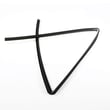
| Leaking at bottom of door | Dishwasher door seal, lower WPW10497235 | Seals the door to prevent drips |
| Not filling | Dishwasher water inlet valve WPW10327249 | Controls water entering the dishwasher |
| Poor cleaning | Dishwasher spray arm WPW10491331 | Distributes wash water over dishes |
Catching the root cause early prevents repeat failures, like a drain pump overheating from a clogged filter or leaks damaging nearby components. It also helps you order the correct dishwasher parts the first time.
For mounting, drain routing, and safety steps specific to the IUD8010DS1, follow the installation guide. For symptom-based troubleshooting, we also recommend dishwasher not draining video when the unit leaves standing water.
Last updated: March 2026
What does HO1 mean on a dishwasher?
On the Ikea IUD8010DS1 dishwasher, H01 typically indicates a 1-hour delay start setting, not a failure. It means the delay timer was turned on and the cycle is waiting to begin; set the delay back to 0 to start the wash right away.
Use these steps to clear the delay and start a normal cycle:
- Press the delay or timer button repeatedly until the display shows 0 (or no delay)
- Close the door fully and make sure it latches
- Press Start/Resume to begin the cycle
- If the dishwasher still does not run, check the house breaker and the door latch alignment
- If you recently installed the unit, confirm the dishwasher is fully installed and not being pushed down on while the door is open (tip-over hazard guidance)
For control-panel specifics and the exact button sequence used on your version, follow the IUD8010DS1 installation guide.
H01 is commonly confused with an error code. Here is a quick way to tell the difference:
| Display | What it usually means | What you should do |
|---|---|---|
| H01 (or H02, H03, etc.) | Delay start hours selected | Reduce delay to 0, then start |
| Draining symptoms (standing water) | Drain problem, not “H01” | Check filter area, drain path, hose |
| Door will not start cycle | Door not latched or latch issue | Re-seat door, inspect latch |
If the delay is cleared and the dishwasher has power but will not run, these checks often solve it:
- Confirm the door closes and latches firmly (a weak latch can prevent starting)
- Try a cancel/drain or reset sequence (varies by control)
- Check for a stuck key or unresponsive console
- Verify the unit is getting water and the shutoff valve is open
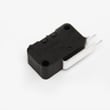
If you suspect a latch problem, the dishwasher door latch WPW10653840 is a common start-interlock part on this model.
When delay start is accidentally enabled, the dishwasher can look “dead” even though it is working normally. Clearing H01 avoids unnecessary part replacement and gets the cycle running immediately.
Last updated: January 2026
What is the 1-hour setting on a dishwasher?
The 1-hour setting (often called 1-Hour Wash or Quick Wash) on the Ikea IUD8010DS1 dishwasher is a shorter cycle designed to clean lightly soiled dishes faster than Normal. It typically trades time for performance by using more active washing and, on many models, higher heat.
A 1-hour cycle is best for “need it now” loads, not baked-on messes.
- Best for lightly soiled plates, glasses, and everyday utensils
- Less effective on heavy soil, dried starches, or greasy cookware
- Drying can be weaker than longer cycles (use rinse aid for better results)
- Cycle time can still vary based on incoming water temperature and options
- If you open the door mid-cycle, you may need to press Start/Resume again and close the door promptly
| Cycle | Best for | Typical tradeoff |
|---|---|---|
| 1-hour / Quick | Light soil, small mixed loads | May clean and dry less thoroughly |
| Normal | Everyday loads, moderate soil | Takes longer but is more forgiving |
| Heavy | Pots, baked-on soil | Longest time, highest water and energy use |
These steps help the shorter cycle perform like a longer wash.
- Run hot water at the sink until it is hot before starting the dishwasher
- Load so spray can reach everything (avoid nesting bowls and blocking the spray arm)
- Use fresh detergent and the correct amount for your water hardness
- Fill the rinse aid dispenser for better drying and fewer spots
- Clean the filter area regularly so wash water circulates properly
For loading best practices, use our how to load a dishwasher video.
Short cycles save time, but they have less “soak and scrub” time to break down heavy soil. Choosing 1-hour for the right load helps prevent re-washing, cloudy glassware, and leftover grit.
For model-specific cycle and option details, follow the cycle guidance in the IUD8010DS1 installation guide.
Last updated: January 2026