Owner’s manual
 View engine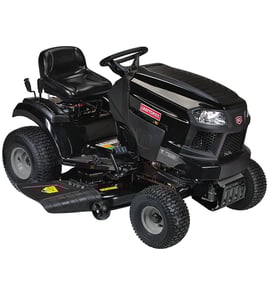


How to identify a lawn mower engine?
On a Craftsman tractor like model 917276845, the engine is identified by the engine’s model and type numbers stamped on the engine shroud (sheet metal) near the muffler and air cleaner. Use those stamped numbers to match the correct tune-up and repair parts.
Where to look on the engine
Check these common locations first (clean off grass and oil so you can read the stamp clearly):
- On the sheet metal directly above the muffler (right or left side, depending on engine layout)
- On the front of the engine near the air cleaner housing
- On the blower housing or valve cover area where the manufacturer stamps the model/type code
- On a label or tag near the starter or fuel tank (less common, but worth checking)
What numbers you need (and why)
Most riding mower engines use a few identifiers. Write them down exactly as stamped.
| What you find on the engine | What it’s used for | Example of what it looks like |
|---|---|---|
| Engine model number | Identifies the engine family | Model code string/number |
| Type/spec number | Identifies the exact configuration | Type, spec, or trim code |
| Code/date number | Helps match production changes | Date-style code |
Tips to make the stamp readable
- Let the engine cool completely before cleaning around the muffler
- Use a flashlight and take a phone photo, then zoom in
- Wipe with a rag and mild degreaser; avoid soaking electrical parts
- If the stamp is faint, rub chalk over it and wipe lightly to highlight the characters
Why it matters
The tractor model number (917276845) helps us find chassis and deck parts, but the engine model and type numbers are what ensure you get the correct air filter, spark plug, fuel filter, and carburetor parts for your exact engine.
For model-specific operating and safety details, use the 917276845 owner's manual.
Last updated: January 2026
Is it worth replacing a lawn mower engine?
Replacing the engine on a Craftsman front-engine lawn tractor model 917276845 is worth it when the tractor’s deck, steering, and transmission are in solid shape and the total repair cost stays well below the cost of a comparable replacement tractor. If multiple major systems are worn out, replacement is usually the better value.
Quick decision checklist
- The mower deck is not rusted through and still cuts evenly after leveling
- The transmission drives smoothly (no slipping, no loss of power under load)
- The electrical system is reliable (no recurring no-crank issues)
- You can do the work yourself or have a shop you trust
- The engine failure is truly internal (not fuel, spark, or safety interlock related)
Rule of thumb on cost
Most owners get the best value when the engine replacement (engine, hardware, belts, fluids, labor) is under about 50% of the price of a comparable new riding mower.
| Situation | Best choice | Why |
|---|---|---|
| Deck and drivetrain are strong | Replace engine | Extends life of a good chassis |
| Deck is worn, steering loose, multiple issues | Replace tractor | Avoids stacking repair costs |
| No-crank or click only | Diagnose starting system first | Often not an engine problem |
Before you buy an engine, confirm it is not a starting or safety issue
The manual’s troubleshooting steps for no-start/no-crank point first to basics like battery condition, wiring, ignition switch, and solenoid or starter. Use these checks before committing to an engine swap. See the 917276845 owner's manual.
- Depress the brake pedal and disengage the attachment clutch (PTO)
- Recharge or replace the battery; clean battery terminals
- Check wiring and fuses
- Test the solenoid and starter circuit
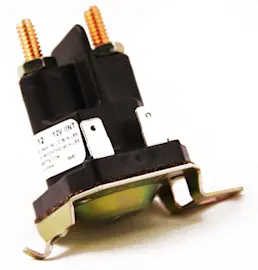
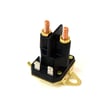
If you suspect the solenoid is the weak link, the model-specific replacement is the lawn tractor starter solenoid 582042802.
Why it matters
An engine swap can be a great investment, but only if the rest of the tractor is safe and mechanically sound. The manual also emphasizes keeping fasteners tight and never servicing with the engine running, which is especially important during major repairs like an engine replacement. See the 917276845 owner's manual.
Last updated: January 2026
How much does it cost to replace a riding lawn mower engine?
Replacing the engine on a Craftsman riding lawn tractor like model 917276845 typically costs $600 to $2,500 total (engine plus labor). The biggest cost drivers are engine type, whether the wiring and pulleys swap over cleanly, and shop labor time.
Typical cost breakdown
| Cost item | Typical range | Notes |
|---|---|---|
| Replacement engine | $300 to $1,800 | Varies by horsepower, crankshaft size, and brand compatibility |
| Labor (shop) | $250 to $900 | Commonly 3 to 6 hours depending on fitment and rusted hardware |
| Extra parts and supplies | $50 to $300 | Belts, pulleys, fuel line, clamps, oil, filter, hardware |
What usually adds cost on model 917276845
- Electrical no-start issues discovered during the swap (battery cables, wiring, ignition switch)
- Starter circuit parts that test weak under load; a common replacement is the lawn tractor starter solenoid 582042802
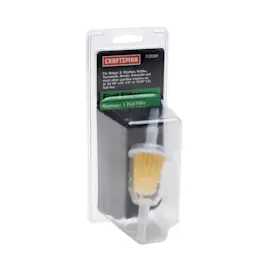
- Fuel system cleanup if old fuel or debris is present (tank flush, new fuel filter)
- Deck and drive belt wear found while the tractor is apart
- Seized or corroded fasteners that increase labor time
Before you approve an engine replacement
We recommend these quick checks first because they can mimic a “bad engine”:
- Verify the brake is depressed and the attachment clutch is disengaged (PTO off)
- Check battery condition and clean the battery terminals
- Inspect wiring connections and fuses
- Confirm fresh, clean gasoline and a clean air filter
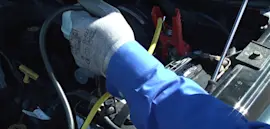
- If it clicks but will not crank, follow riding lawn mower engine clicks but doesnt turn over video
Why it matters
An engine replacement is one of the highest-cost repairs on a riding mower. Confirming the starting, fuel, and safety interlock basics first helps you avoid paying for an engine when the real issue is a solenoid, wiring, or fuel problem.
For operating and safety steps specific to this tractor (PTO engagement, throttle and choke use), use the Craftsman 917276845 owner’s manual.
Last updated: January 2026
What engine does Craftsman riding mower use?
Craftsman lawn tractor model 917276845 uses a low-emission gasoline engine; the exact engine manufacturer, displacement, and engine model/type/code are identified on the engine ID label and referenced in the 917276845 owner's manual. This model is shown in the manual as a 24.0 HP lawn tractor.
How to identify the exact engine on model 917276845
Use the engine ID label to match tune-up parts and service specs correctly:
- Find the engine ID label on the blower housing, valve cover, or near the starter
- Write down the engine model, type, and code exactly as printed
- Use those numbers to match the correct spark plug, air filter, fuel filter, and oil specs
- Keep the tractor model 917276845 handy for chassis, deck, and electrical parts
- If the engine was replaced, always order engine-specific parts by the engine ID label
What we can confirm from the manual (and what to verify on the tractor)
The owner’s manual confirms the tractor’s horsepower rating; deck size and other configuration details should be verified using the deck tag or the parts diagrams for your exact build.
| Detail | Where to confirm it | Why it matters |
|---|---|---|
| Horsepower rating | Owner’s manual cover page | Helps match the correct tractor family and operating expectations |
| Engine model/type/code | Engine ID label | Ensures correct maintenance and engine repair parts |
| Deck size | Deck tag or deck parts diagram | Ensures correct blades, belt routing, and spindle components |
Parts commonly involved with starting and blade power
If you are diagnosing a no-crank, click, or PTO issue on this model, these parts are often involved:
- Lawn tractor starter solenoid 582042802 (starter clicks or no-crank)
- Switch.pto 582107601 (blades will not engage)
- Lawn tractor electric clutch 532414737 (PTO slips, squeals, or engages weakly)
Why it matters
The tractor model number (917276845) gets you the right Craftsman frame and deck parts, but the engine ID label gets you the right engine tune-up and repair parts. Using both prevents wrong-part returns and speeds up repairs.
Last updated: January 2026