Installation guide
 Owner’s manual


Does EFDG317TIW0 have a steam function?
Yes. The Electrolux dryer model EFDG317TIW0 includes steam features on select cycles and options, including the instant refresh cycle (steam to refresh fabrics and reduce static) and the perfect steam™ option (steam before cool down to reduce wrinkles and static). See the owner's manual for the exact cycle and option availability on your control panel.
How steam works on this dryer
Steam is used to refresh items and reduce wrinkles and static, not to fully wash clothing.
- Instant refresh (on select models): refreshes fabrics, removes odors, and reduces static using steam
- Perfect steam™ option (on select models): injects steam prior to cool down to help reduce wrinkling, ironing, and static cling
- Steam features typically require the dryer to be properly connected to a water supply (per installation requirements)
What to expect from steam cycles and options
Steam is best for lightly worn items or for reducing wrinkles after storage.
| Feature | Best for | What it does | What it does not do |
|---|---|---|---|
| Instant refresh | Quick refresh | Reduces odors and static; helps relax wrinkles | Deep-clean or remove heavy stains |
| Perfect steam™ option | Wrinkle reduction | Adds steam before cool down | Replace proper drying settings for heavy loads |
Important tips (to avoid problems)
- Do not use fabric softener sheets with steam cycles or steam options; they can stain clothing.
- If you see isolated wet spots after a steam cycle, check home water pressure; the manual calls for at least 20 psi and no more than 120 psi.
- Keep airflow strong by cleaning the lint filter every load; a clogged screen can cause longer dry times and inconsistent results.
Why it matters
Using steam correctly helps you reduce wrinkles and static without overdrying, which can extend fabric life and improve day-to-day results on cycles like normal, casual, and instant refresh.
Last updated: February 2026
What is the life expectancy of an Electrolux dryer?
Most Electrolux dryers (including model EFDG317TIW0) typically last 10 to 15 years with normal household use. Consistent airflow maintenance (lint screen and venting) and avoiding overloads are the biggest factors that keep the drum, belt, motor, and heat system running longer.
Typical lifespan and what affects it
A dryer’s service life is mainly driven by heat stress, airflow restriction, and mechanical wear.
- Vent and lint restriction (most common life-shortener)
- Overloading (stresses the drum belt, idler, and motor)
- High-heat cycles used constantly (more wear on thermostats and sensors)
- Installation quality (duct type, length, and hood performance)
- Routine cleaning (lint screen, blower area, and vent path)
For model-specific installation and venting requirements, follow the installation guide.
Quick maintenance checklist (best ROI)
Use this schedule to hit the items that most directly impact drying time and component wear:
- Every load: clean the lint screen; replace it if torn or warped
- Monthly: wash the lint screen with mild soap and water; dry fully before reinstalling
- Every 3 to 6 months: inspect and clean the vent duct and exterior hood
- Yearly: check for unusual squealing or thumping (belt, idler, rollers)
- Anytime drying slows: stop and correct airflow before continuing regular use
Helpful reference: how to clean and maintain your clothes dryer.
What “end of life” usually looks like
These symptoms often show up as a dryer approaches the end of its typical lifespan:
| Symptom | Common cause area | What we usually do next |
|---|---|---|
| Long dry times | Airflow restriction, heat system | Clean venting; then diagnose heat components |
| Squealing or chirping | Idler, belt, rollers | Inspect belt path; replace worn drive parts |
| Thumping | Drum support rollers, drum | Check rollers and drum for flat spots or damage |
| Won’t start or stops mid-cycle | Door switch, control, motor circuit | Verify power and safety switches; then test components |
Why it matters
A dryer that is restricted by lint or venting runs hotter and longer to finish a load. That extra runtime accelerates wear on key parts like the drum belt, idler assembly, motor, and temperature-sensing components, shortening the overall life expectancy.
Last updated: February 2026
How to fix eh0 error?
On an Electrolux EFDG317TIW0 dryer, an EH0/EH0-style power error points to an unstable or incorrect power supply. We fix it by confirming the outlet power is correct, resetting the dryer, and correcting any loose plug or tripped breaker so the control can run normally.
Quick checks to clear EH0
- Unplug the dryer (or switch the breaker off) for 2 to 5 minutes, then restore power and try a cycle.
- Make sure the plug fits tightly in the wall outlet (a loose connection can trigger power faults).
- Reset the circuit breaker (or replace a blown fuse) and make sure the dryer is on a dedicated circuit.
- If the dryer uses a power cord, check for a damaged cord or burned prongs; replace the cord if needed.
- If the display and touch controls act “glitchy,” press Start with a bare fingertip (touch consoles can miss input through gloves or heavy residue).
If the dryer runs but heat is inconsistent
EH0 can show up when the dryer is struggling electrically or when airflow problems cause overheating and shutdowns.
- Clean the lint filter and confirm it is seated correctly; a clogged filter can cause long dry times and overheating.
- Check the venting: rigid or semi-rigid metal ducting, 4-inch diameter, minimal kinks.
- For gas models, confirm the gas supply valve is open and the dryer has enough combustion air.
For vent restrictions, follow the back-pressure check method in the installation guide (the exhaust system must stay under 1.0 inch water column).
Parts that commonly relate to overheating or airflow issues
If you find overheating symptoms (hot cabinet, long dry times, burning smell), these model-compatible parts are common fixes:
| Symptom | What to inspect | Example part on this model page |
|---|---|---|
| Long dry times, lint buildup | Lint screen, venting | Dryer lint screen 5304511512 |
| Overheat shutdown | Safety thermostat | Kenmore elite dryer safety thermostat 137539200 |
| Temperature sensing issues | Thermistor | Kenmore dryer thermistor 134711300 |
Why it matters
Power and airflow problems can make the electronic control misread conditions, stop mid-cycle, or fail to heat properly. Fixing the outlet/circuit and keeping the exhaust within spec prevents repeat errors and protects key components.
For model-specific operating and electrical guidance, use the owner's manual.
Last updated: February 2026
Why does the Electrolux dryer take so long?
Long dry times on an Electrolux EFDG317TIW0 dryer almost always come from restricted airflow (lint screen, vent duct, or outside hood), an overloaded or mismatched cycle selection, or reduced heat output. Start with airflow checks, then move to heat and sensor-related parts.
Fast checks that fix most “takes too long” complaints
- Clean the lint screen before every load; if it looks clean but feels waxy, wash it with warm water and a soft brush, then dry it.
- Confirm the exhaust duct is 4-inch diameter rigid or semi-rigid metal, not plastic or foil.
- Reduce vent restrictions: keep the run as short as possible, limit to four 90° bends, and clear the outside hood flap.
- Avoid overloading; tightly packed loads block air movement through the drum.
- Use the right cycle; Auto Dry times are estimates and can run longer depending on fabric, load size, and humidity (see the owner's manual).
Model-specific causes called out in the documentation
The EFDG317TIW0 documentation highlights these common reasons drying takes too long:
| Symptom | Most likely cause | What to do first |
|---|---|---|
| Clothes still damp, cabinet feels hot | Lint filter or vent restriction | Clean lint screen; inspect and clear venting |
| Cycle time seems “off” on Auto Dry | Auto Dry time is an estimate | Try a different dryness level or timed dry |
| Drying is consistently slower after install | Dryer on 208V (electric setups) | Expect about 20% longer dry times; verify supply per the installation guide |
| Gas model heats weakly or flame issues | Not enough air supply for burner | Verify venting and make-up air; confirm gas valve is open |
When a part problem is likely
If airflow is good and loads are sized correctly, a worn drive system or weak heat control can still extend dry times.
Common part-related culprits include:
- A slipping belt or tensioner that reduces drum speed and tumbling action (check the white-westinghouse dryer drum belt 134719300 and dryer idler assembly 134793511).
- A temperature sensing issue that causes poor heat regulation (a failing thermistor such as kenmore dryer thermistor 134711300).
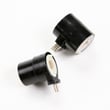
- Gas ignition or valve coil problems that cause intermittent heat (for example coil-seconda 5303931775 or dryer burner igniter 137524000).
Why it matters
Restricted venting and overheating conditions can make drying take hours, waste energy, and create excessive heat around the dryer. Restoring proper airflow is the single biggest improvement for performance and safety.
Last updated: February 2026