Owner’s manual


Where is my dryer part number?
On your Whirlpool GEW9250SU0 dryer, the part number is printed on the part itself (often on a sticker, stamp, or molded marking). For ordering the correct replacement, we recommend using the dryer’s model number from the ID label first, then matching the exact part number from the parts diagram in the GEW9250SU0 owner's manual.
Most Whirlpool dryers place the ID label in one of these common spots:
- Inside the door opening on the front panel
- On the door itself (edge or inner surface)
- On the cabinet frame just behind the door
- On the back panel of the dryer
Once you’ve identified the part you need, check these typical locations:
- Heating parts: stamped on the metal housing (example: heater can)
- Sensors and fuses: printed on the plastic body or metal bracket
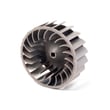
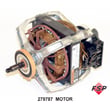
- Motors and blower parts: label on the motor body or molded into the wheel
- Rollers and pulleys: molded numbers on the plastic or stamped on the bracket
Many Whirlpool parts look similar across models, so the safest workflow is:
- Confirm the dryer model number: GEW9250SU0
- Use the exploded-view diagrams to identify the correct part name
- Match the manufacturer part number on the old part (when available)
| What it is | What it identifies | Where you’ll see it |
|---|---|---|
| Model number (GEW9250SU0) | Your exact dryer design | Dryer ID label (cabinet/door area) |
| Part number | The specific replacement component | Printed or stamped on the part |
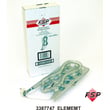
Using the correct model number prevents ordering a look-alike part that does not fit your Whirlpool Duet-style dryer. This is especially important for heating and airflow components such as the dryer heating element WP3387747, where small design differences affect mounting and wiring.
Last updated: February 2026
What is the average lifespan of a Whirlpool dryer?
A Whirlpool dryer like model GEW9250SU0 typically lasts 10 to 13 years. With consistent maintenance (especially good airflow and lint control), many dryers reach the upper end of that range and avoid early failures tied to overheating and long dry times.
- Venting and airflow: Long or kinked venting makes the dryer run hotter and longer.
- Lint buildup: Lint in the filter housing, blower area, or ducting restricts airflow.
- Overloading: Extra strain on the drum, belt, rollers, and motor.
- Heat stress: Repeated overheating shortens the life of heating and safety components.
- Wear parts: Rollers, idler pulley, and seals wear gradually and get noisy or rough.
We recommend these habits for GEW9250SU0:
- Clean the lint screen every load and keep the screen area clear.
- Use 4-inch heavy metal venting (rigid metal is best) and avoid plastic or foil vent.
- Keep the vent run as short and straight as possible; use the fewest 90° turns.
- Periodically clean the full vent path to the outside hood.
- Stop using the dryer if you notice burning smells, repeated shutdowns, or very long dry times.
The GEW9250SU0 manual notes that vent runs longer than the vent chart can reduce performance and shorten dryer life. Use the venting section in the GEW9250SU0 owner's manual to match your hood type and number of elbows to the recommended maximum length.
| What you notice | Common cause | What to check first |
|---|---|---|
| Drying takes too long | Restricted venting | Vent length, crushed flex vent, outside hood flap |
| Dryer runs hot | Poor airflow | Lint buildup, vent elbows, blocked duct |
| Squealing or thumping | Worn drum support parts | Rollers, idler pulley, drum seal |
Replacing wear items can extend service life and reduce noise:
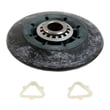
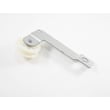
- Support WPW10314173 (drum support roller)
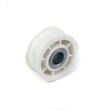
- Dryer idler pulley 279640 (belt tension pulley)
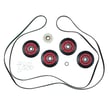
- Dryer repair kit 4392067 (common wear-item kit for many Whirlpool dryers)
A dryer that is forced to dry with restricted airflow uses more energy, takes longer, and runs hotter; that combination accelerates wear on the heating system, motor, and safety fuses.
Last updated: February 2026
What are the common problems with Whirlpool dryers?
Common Whirlpool dryer problems (including model GEW9250SU0) are no-start, no-heat, long dry times, loud thumping/squealing, and a drum that will not tumble. Many issues trace back to power supply, airflow restrictions, or normal wear parts like rollers, idler pulleys, and heating components; see the GEW9250SU0 owner's manual for model-specific checks.
- Dryer will not run: door not fully closed, Start not held long enough, or a tripped breaker/blown fuse
- Drum turns but no heat: one of the two breakers/fuses is tripped (electric dryers can still tumble with no heat)
- Loud thumping, squealing, or rumbling: worn drum support rollers, idler pulley, or blower wheel
- Takes too long to dry: lint buildup, crushed/long venting, or restricted exhaust airflow
- Stops mid-cycle or dries inconsistently: temperature sensing issues (thermistor) or airflow problems
- Confirm the dryer door fully latches and the cycle is set correctly.
- Press and hold Start for 2 to 5 seconds (large loads often need a longer press).
- Check the home electrical panel: many electric dryers use two fuses/breakers.
- After 5 minutes of running, open the door and feel for heat.
- Inspect and clean lint screen and verify the exhaust vent is not kinked or blocked.
| Symptom | Common wear part | Example part for this model |
|---|---|---|
| Squealing/rumbling | Drum support roller(s) | Support WPW10314173 |
| Squealing or no tumble | Idler pulley | Dryer idler pulley 279640 |
| No heat (after power/vent checks) | Heating element | Dryer heating element WP3387747 |
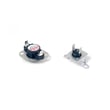
| Overheats or no heat | Thermal cut-off kit | Dryer thermal cut-off fuse kit 279973 |
| Poor temperature control | Thermistor | Dryer thermistor WP8577274 |
A dryer that tumbles with no heat, runs loud, or takes too long to dry often points to a safety or efficiency issue: weak airflow can overheat components, and worn rollers or an idler pulley can lead to bigger drum or motor damage if ignored.
Last updated: February 2026