Owner’s manual
 Error Codes



Where is the model number on a Kenmore Elite dryer?
On a Kenmore Elite dryer like model 79691073310, the model number is printed on the appliance’s rating label. You’ll usually find that label on the door opening (cabinet frame) when you open the dryer door, or on the back of the dryer near the top.
- Open the dryer door and look along the cabinet frame around the door opening
- Check the inside edge of the door itself
- Look on the back panel near the top (often upper left or upper right)
- If there’s a lower access panel, check just inside that area for an additional label
The model/serial label is typically a white or silver sticker or metal tag. It often includes:
- Model number (for example, 79691073310)
- Serial number
- Electrical or gas information (voltage, amps, BTU rating)
- Certification markings
- Use a flashlight and look for small print
- Wipe lint or dust off the frame and back panel so the numbers are readable
- Write the model number down exactly as shown (all digits matter for parts matching)
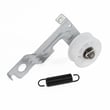
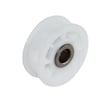
We use the exact model number to match the correct Kenmore Elite dryer parts, diagrams, and troubleshooting information for your dryer, especially for common repairs involving the drum belt, idler pulley, or thermostats.
| Location | How to access | Best for |
|---|---|---|
| Door opening (cabinet frame) | Open door | Fastest, most common spot |
| Inside door edge | Open door | Easy to miss without a flashlight |
| Back near the top | Pull dryer forward | Helpful if front label is damaged |
For model-specific label locations and illustrations, check the 79691073310 owner’s manual.
Last updated: February 2026
Can you get parts for a Kenmore dryer?
Yes. We can help you get replacement parts for your Kenmore Elite dryer model 79691073310, including common wear items like a lint screen, drum belt, idler pulley, support rollers, thermostats, and sensors. Use the model’s parts diagram and the 79691073310 owner’s manual to match the correct part to your dryer.
- Confirm the full model number on the dryer’s model tag: 79691073310
- Compare the part name and part ID to what’s listed for your model
- Match the location in the diagram (drum area, blower housing, door, control panel)
- If you are replacing a moving part, inspect related wear parts at the same time
- For heating complaints, check airflow and venting before replacing heat-related parts
Here are examples of model-matched parts that often solve noise, no-heat, and no-tumble symptoms:
| Symptom | Likely area | Example model-matched part |
|---|---|---|
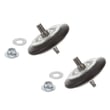
| Squealing, thumping, rumbling | Drum support and belt drive | Dryer drum support roller 4581EL2002H |
| Drum not turning | Belt and idler system | Dryer drum belt 4400EL2001D |
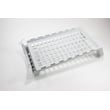
| Poor airflow, long dry times | Lint path and blower | Lg dryer lint screen ADQ73373201 |
| Overheating or shuts off | Safety thermostats | Dryer high-limit thermostat 6931EL3003C |
Using parts that are matched to Kenmore Elite 79691073310 helps the repair fit correctly, restores proper airflow and temperature control, and prevents repeat failures (for example, a worn roller can quickly damage a new belt).
Last updated: February 2026
How do I reset my Kenmore Elite dryer?
To reset your Kenmore Elite dryer model 79691073310, we recommend a simple power reset first: turn the dryer off, unplug it (or switch the breaker off) for 5 minutes, then restore power and try a normal cycle. This clears many control glitches and false error conditions.
- Hard reset (best first step): Unplug for 5 minutes, then plug back in.
- Breaker reset: Turn the dryer breaker OFF for 5 minutes, then ON.
- Control lock reset (if the panel is locked): Press and hold the Control Lock button for about 3 to 7 seconds (label varies by console).
- Cycle reset: Press Power/Off, wait 10 seconds, then select a cycle and press Start.
- Overheat protection reset: Let the dryer cool for 30 minutes, then retry (also check venting).
A reset helps electronics, but it will not fix airflow problems or failed parts. Check these common causes next:
- Clean the lint screen and confirm it seats fully (a damaged screen can leak lint into the blower).
- Verify strong airflow at the outside vent hood.
- Inspect the vent for kinks, crushing, or heavy lint buildup.
- Confirm the door closes firmly; a failed switch can prevent starting.
- If the drum will not turn, check belt and idler components.
| Symptom after reset | Most common cause | What to check first |
|---|---|---|
| Panel works, dryer will not start | Door circuit issue | Dryer door switch EBF61496102 |
| Runs but dries slowly | Restricted airflow | Lint screen, vent duct, outside hood |
| Hums but drum will not turn | Belt or idler problem | Dryer drum belt 4400EL2001D, idler pulley |
Resetting restores the control to a known good state, which helps you separate a one-time electronic glitch from a real problem like restricted venting, overheating, or a worn drive system.
For model-specific button names and any display messages, follow the steps in the 79691073310 owner’s manual.
Last updated: February 2026
Why won't my Kenmore Elite dryer start but has power?
If your Kenmore Elite dryer model 79691073310 has power but will not start, the most common causes are a door not fully latching, a failed door switch, or a control not seeing a safe “ready to run” condition. Start with the door and control settings, then test the start circuit components.
- Confirm the door is fully closed and you hear/feel it latch.
- Make sure Control Lock/Child Lock is off (if equipped).
- Select a timed cycle and press Start for a full 1 to 2 seconds.
- Unplug the dryer (or switch off the breaker) for 2 minutes, then restore power.
- If the display shows an error, look it up in the Kenmore elite dryer error codes guide.
A dryer can light up and still not start if a safety switch is open or the motor circuit cannot energize.
- Door switch: If it does not close electrically when the door shuts, the dryer will not run. Consider replacing the dryer door switch EBF61496102.
- Drive system drag: A seized roller or idler can overload the motor and prevent startup or cause a quick stop.
- Control issue: A failed board can prevent the start relay from energizing.
| What you notice | Most likely direction | What to do next |
|---|---|---|
| Light turns on, nothing happens when you press Start | Door switch or control settings | Check latch, then test/replace door switch |
| Hums, then stops | Drum not turning freely, motor struggling | Check drum movement, inspect rollers/idler/belt |
| Starts only with door held or slammed | Door switch or latch alignment | Inspect strike/latch, replace door switch |
A no-start condition is usually a safety interlock doing its job. Fixing the root cause (door switch, drag in the drum support system, or a control problem) prevents repeat failures and protects the motor.
Use the 79691073310 manual for the correct control panel steps (lock features, cycle selection) and any model-specific diagnostics.
Last updated: February 2026
What are common problems with Kenmore dryers?
Common problems with the Kenmore Elite 79691073310 dryer include no heat or long dry times, not starting, drum not turning, and loud squealing or thumping. Most of these issues trace back to airflow restrictions, worn drum-drive parts, or failed temperature-sensing and safety components; our 79691073310 owner's manual helps match symptoms to checks.
- No heat or weak heat: restricted venting, failed temperature control parts, or gas ignition issues
- Takes too long to dry: clogged lint path, crushed/long vent run, weak airflow from the blower
- Won’t start: door switch problem, control issue, or motor circuit problem
- Drum won’t tumble: worn belt or idler components
- Loud noise (squeal, rumble, thump): worn rollers, idler pulley, or blower wheel problems
- Clean the lint screen and confirm it seats correctly; replace a damaged screen such as the lg dryer lint screen ADQ73373201.
- Check airflow at the outside vent hood; weak flow points to a blocked or crushed vent.
- Run a timed dry cycle and listen:
- squeal or chirp often points to idler/roller wear
- rumble or thump often points to drum support wear
- If it’s a gas model and there’s no heat, watch for ignition attempts (clicking, brief flame, then off).
| Symptom | Likely area | Example part for this model |
|---|---|---|
| Squealing/rumbling | Drum support and tensioning | Dryer drum support roller (4581EL2002H), dryer idler pulley (4560EL3001A) |
| Long dry times | Airflow and blower | Dryer blower wheel (5835EL1002A) |
| Overheating or no heat | Temperature control | Dryer thermistor (AGM30045804), dryer high-limit thermostat (6931EL3003C) |
| No start when door closes | Door circuit | Dryer door switch (EBF61496102) |
Dryer problems often stack up: a partially blocked vent can cause long dry times, overheating, and repeated thermostat failures. Fixing airflow and worn drive parts early helps protect the motor, control boards, and heating system.
If your display shows an error code, use our Kenmore elite dryer error codes reference to narrow the troubleshooting to the exact circuit (heat, motor, sensor, or control).
Last updated: February 2026
What model number is the Kenmore Elite 79691073310 dryer?
The model number for this Kenmore Elite dryer is 79691073310. You will see 79691073310 on the appliance’s model and serial tag; matching that number is the fastest way to get the right Kenmore parts, diagrams, and troubleshooting steps for your exact dryer.
On Kenmore Elite dryers like model 79691073310, the model and serial tag is typically located in one of these spots:
- Inside the door opening on the cabinet frame
- On the back panel of the dryer cabinet
- Along the door rim or door frame area
- Occasionally behind the lower access panel (if equipped)
For tag-location diagrams and labeling details, use the 79691073310 owner’s manual.
Use this quick checklist so you do not mix up the model number with a serial number or marketing name:
- Model number: 79691073310 (used for parts lookup)
- Serial number: a longer code (used for manufacturing date tracking)
- Brand line: Kenmore Elite (series name, not the model)
| Tag field | What it’s used for | Example you should use for parts |
|---|---|---|
| Model | Identifies the exact design | 79691073310 |
| Serial | Identifies your specific unit | Not used for most parts searches |
| Electrical rating | Confirms power requirements | Helpful for service checks |
Kenmore Elite dryers share many similar-looking parts across different model families. Using 79691073310 helps us match the correct drum belt, thermostats, control boards, and sensors so you avoid wrong-part returns and repeat repairs.
Last updated: February 2026
How to take off the front panel of a Kenmore dryer?
On the Kenmore Elite dryer model 79691073310, the front panel typically comes off after you disconnect power, remove the top panel, then remove the front-panel mounting screws (often inside the door opening and along the top edge) and lift the panel up and off the lower retaining tabs. Use the 79691073310 owner's manual for the exact screw locations and wire-routing details.
- Unplug the dryer from the wall outlet.
- If it is a gas dryer, shut off the gas supply valve.
- Pull the dryer forward so you can reach the rear and sides.
- Protect the floor with cardboard or a towel.
- Have a container ready for screws.
- Remove the lint screen (if it sits in the top panel) and take out any screws in that opening.
- Release and lift the top panel:
- Remove rear screws (if present), or
- Release spring clips near the front corners using a putty knife.
- Remove the control panel fasteners if they block the front panel (some versions let the control panel stay attached to the top).
- Open the door and remove screws around the door opening that secure the front panel.
- Remove screws along the top edge of the front panel (accessible with the top raised).
- Disconnect wiring (door switch or harness plugs) as you separate the panel.
- Lift the front panel up and off the lower tabs/clips, then set it aside.
| Area you can reach | Common reason you remove the front panel |
|---|---|
| Drum and belt path | Squealing, thumping, drum not turning |
| Idler and rollers | Belt tension issues, rumbling noise |
| Door switch wiring | Dryer will not start when door closes |
If you are chasing a squeal or rumble, the belt and idler are common wear items on this style of Kenmore dryer; the dryer drum belt 4400EL2001D and dryer idler pulley 4560EL3001A are examples of parts often inspected during a teardown.
Removing the front panel the right way prevents bent panels, stripped screw holes, and pinched wiring. It also makes reassembly easier so the drum seals correctly and airflow stays strong for proper drying.
Last updated: February 2026
How to change belt on Kenmore Elite 79691073310 dryer?
To change the belt on your Kenmore Elite 79691073310 dryer, we unplug the dryer, open the cabinet, remove the old belt, route the new belt around the drum and motor pulley, then reassemble and test for smooth drum rotation. Use the 79691073310 owner's manual for model-specific cabinet access and reassembly details.
- Unplug the dryer (and shut off gas if you have a gas model)
- Wear cut-resistant gloves; cabinet edges are sharp
- Use a small container for screws
- Take photos as you disassemble for easier reassembly
- Vacuum lint while the dryer is open
- Disconnect power; pull the dryer forward for access.
- Open the cabinet (top panel and/or front panel depending on configuration).
- Release belt tension by pushing the idler pulley toward the motor to slip the belt off the motor pulley.
- Remove the drum enough to lift the old belt off.
- Install the new belt around the drum with the ribbed side against the drum.
- Route the belt through the idler and around the motor pulley; rotate the drum by hand to help the belt self-center.
- Reinstall the bulkhead/front panel: align it on the upper screws first, tighten, then install the lower screws.
- Test: spin the drum by hand (it should turn smoothly), then run a short timed cycle.
| What you see | What it usually means | What to do |
|---|---|---|
| Drum turns but belt slips | Belt not seated on motor pulley | Re-route belt and rotate drum 2 to 3 turns |
| Loud squeal after install | Idler/roller worn | Inspect idler and rollers; replace if rough |
| Drum hard to turn by hand | Belt twisted or off-track | Re-seat belt flat on drum and pulleys |
Replacing wear items together helps prevent repeat tear-downs.
- Dryer drum belt 4400EL2001D
- Dryer idler pulley 4560EL3001A
- Dryer idler assembly 4561EL3002A
- Dryer drum support roller 4581EL2002H
A worn or misrouted belt can cause no-tumble symptoms, squealing, or burning-rubber odors. Correct routing and good idler/roller condition keep the drum turning at the right speed and reduce strain on the motor.
Last updated: February 2026
What are the codes for Kenmore Elite dryer?
For Kenmore Elite dryer model 79691073310, the most common diagnostic codes include PF (power failure) and several F-codes that point to a failed control board, user interface, heater relay, or temperature-sensing circuit. Use the code to narrow the failure, then confirm with basic checks.
Here are the codes customers most often see on Kenmore Elite dryers:
- PF: Power failure (cycle interrupted by loss of power)
- F:01: Main electronic control board failure
- F:02: Keypad or user interface failure
- F:20: Heater relay failure
- F:22 / F:23: Outlet thermistor failure
- F:24 / F:25: Inlet thermistor failure
For the full list and model-family notes, use our Kenmore elite dryer error codes guide.
These steps solve many PF and temperature-related codes without replacing anything:
- Reset the dryer by unplugging it for 2 to 5 minutes, then restore power.
- Verify the outlet and breaker are supplying correct power (especially after a PF).
- Clean the lint screen and confirm strong airflow at the outside vent.
- Check the exhaust duct for kinks, crushing, or heavy lint buildup.
- Run a timed dry cycle to see if the code returns consistently.
If the code points to temperature sensing, these parts are common suspects on this model:
| Code family | What it usually involves | Example part for this model |
|---|---|---|
| F:22, F:23, F:24, F:25 | Thermistor circuit (inlet or outlet temperature sensing) | Dryer thermistor AGM30045804 |
| F:20 | Heating control or overheating condition | Dryer high-limit thermostat 6931EL3003C |
Error codes help prevent guesswork. For example, a thermistor-related code can be caused by restricted venting (overheating) or a failed sensor, so checking airflow first can prevent unnecessary control board or sensor replacement.
For model-specific operating details and any built-in diagnostic steps, check the 79691073310 owner's manual.
Last updated: February 2026
How much does it cost to replace a heating element in a Kenmore dryer?
For Kenmore Elite dryer model 79691073310, the typical total cost to replace a heating element is $100 to $350 when a technician supplies the part and labor. If you replace it yourself, most Kenmore electric-dryer heating elements run $20 to $120 for the part, depending on whether you buy the element alone or a complete heater assembly.
- DIY vs. professional service: labor and trip/diagnostic fees add most of the cost.
- Element type: bare coil vs. heater assembly with housing.
- Root cause: a “no heat” complaint is often a thermostat, sensor, fuse, or airflow issue.
- Time to access the heater: more disassembly increases labor.
- Correct match to model 79691073310: the right part fit prevents returns and repeat repairs.
| Scenario | What’s included | Typical total |
|---|---|---|
| DIY | Heating element only (plus any small hardware) | $20 to $120 |
| Professional repair | Part + labor | $100 to $350 |
| Diagnostic visit | Testing and estimate (repair extra) | $75 to $150 |
Use the wiring diagram and component locations in the 79691073310 owner’s manual to confirm the heater circuit and access steps.
- If the dryer tumbles but never warms, check heat circuit components and airflow.
- If it overheats or shuts off, a limit thermostat or restricted venting is often involved.
- If dry times are long, clean the lint screen and verify strong exhaust airflow first.
These parts are listed for this model and are frequently involved in temperature control:
- Dryer thermistor AGM30045804 (temperature sensing)
- Dryer high-limit thermostat 6931EL3003C (overheat protection)
- Dryer blower thermostat 6931EL3002M (blower housing temperature control)
Replacing the heater without fixing a vent restriction or failed thermostat can cause repeat overheating and shorten the life of the new heating element.
Last updated: February 2026