Owner’s manual

What is the typical lifespan of a gas snowblower?
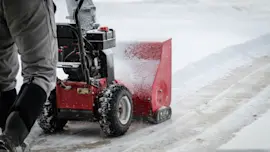
A typical gas snowblower lasts 10 to 15 years with normal seasonal use and consistent maintenance. For your Steele SP-SB2421 snow blower, following the lubrication, belt-adjustment, and storage steps in the owner's manual is what most directly determines whether you land closer to 10 years or 15.
What makes a gas snowblower last longer
We see the longest life when owners stay ahead of wear items and keep the drivetrain clean and lubricated.
- Change engine oil on schedule and use clean, fresh fuel
- Keep lubrication points greased (auger shaft, pivot points, fittings)
- Adjust belts and cables before they start slipping
- Clear clogs safely and avoid running the auger against packed ice
- Store it correctly at season end (fuel, oil, cleaning, cover)
Maintenance checkpoints to follow (from the manual)
Your SP-SB2421 manual calls out several recurring tasks that directly impact lifespan.
| Task | Interval | Why it matters |
|---|---|---|
| Adjust auger drive belt | After first 2 to 4 hours; mid-season; then twice per season | Prevents belt slip and premature belt and pulley wear |
| Grease Zerk fittings (if equipped) | Every 10 hours | Reduces auger and drive friction and heat |
| Oil chute rotation gear | Every 25 hours | Keeps chute controls moving freely and reduces gear wear |
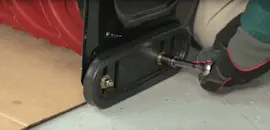
| Lubricate chains; wipe hex shaft/sprockets with 5W30 | Every 25 hours | Protects traction drive components and helps prevent binding |
Storage habits that add years
End-of-season storage is a big divider between “runs for years” and “won’t start next winter.”
- Drain the fuel tank and run the engine until it runs out of gasoline
- Drain warm engine oil and refill with new oil
- Clean the machine thoroughly and lubricate all points
- Tighten fasteners; inspect moving parts for wear or damage
- Cover with a breathable protective cover (avoid plastic that traps moisture)
Why it matters
A gas snowblower’s engine and drive system can run for many seasons, but belts, friction drive parts, and corrosion from poor storage shorten life fast. Routine lubrication and correct belt adjustment help your SP-SB2421 throw snow consistently and reduce expensive breakdowns.
Last updated: February 2026
Is a 2 stage or 3 stage snowblower better?
A 2-stage snowblower is the better choice for most homeowners because it handles typical driveway snow well and is simpler to maintain. A 3-stage is better when you regularly face deep, heavy, end-of-driveway plow piles and want faster intake and throwing.
Quick comparison
| Feature | 2-stage snowblower | 3-stage snowblower |
|---|---|---|
| Best for | Most residential snowfalls | Frequent deep, dense, end-of-driveway piles |
| Snow intake | Auger feeds impeller | Accelerator helps pull snow in faster |
| Speed in heavy snow | Good | Better |
| Complexity | Lower | Higher |
| Typical maintenance | Belts, skid shoes, shear bolts | Same items plus more moving parts |
How to choose for your needs
- Choose 2-stage if you clear 2 to 12 inches most storms and want a proven, straightforward design.
- Choose 3-stage if you often clear wet snow, packed berms, or drifts and want higher throughput.
- If you have gravel, plan on careful skid shoe adjustment so you do not pick up rocks.
- If storage space matters, 2-stage units are often easier to maneuver and store.
- If you want fewer adjustments and simpler service, 2-stage is usually the better fit.
What matters for performance (regardless of stages)
Even more than “2 vs 3 stage,” these factors decide how well a machine throws snow:
- Ground speed control: going slower in deep or wet snow improves throwing efficiency.
- Skid shoe setting: for normal use, set the scraper bar about 1/8 inch (3 mm) above the skids; on gravel, set skids about 1 1/4 inch (32 mm) below the scraper bar.
- Shear bolts: use the correct shear bolts so the auger is protected if something jams.
- Chute and deflector control: proper aiming improves distance and reduces clogging.
Why it matters
Picking the right stage helps you match the machine to your snow conditions, but correct setup and safe operation matter just as much. For your Steele SP-SB2421 snow blower, we recommend following the setup, control, and skid-adjustment guidance in the owner's manual.
Last updated: February 2026
What is the most reliable snow blower brand?
The most reliable snow blower brand is the one that’s properly maintained and correctly used for your conditions; even a solid machine will fail early if it’s run with loose fasteners, worn auger parts, or poor storage practices. For your Steele SP-SB2421, following the maintenance and safety steps in the owner's manual is the biggest reliability factor.
What “reliable” means for a gas snow blower
Reliability usually comes down to consistent starting, strong snow-throwing performance, and fewer breakdowns in the drive and auger systems.
Common reliability drivers we see across brands:
- Regular oil changes and clean fuel practices
- Correct cable adjustments (auger and traction) so belts and clutches do not slip
- Lubrication of pivot points, chains, sprockets, and shafts
- Fastener checks after each use (vibration loosens hardware)
- Proper off-season storage to prevent rust and fuel issues
How to choose a reliable brand for your needs
Instead of focusing only on the nameplate, match the machine to your snow and terrain.
| Your situation | What to prioritize | Why it helps reliability |
|---|---|---|
| Heavy, wet snow | Strong auger/impeller system and correct auger control adjustment | Reduces clogging and belt strain |
| Gravel or uneven surfaces | Skid shoe and shave plate setup | Prevents impact damage from rocks |
| Long driveway | Durable traction drive and correct traction control adjustment | Reduces drive wear and slipping |
| Infrequent use | Easy maintenance access and good storage routine | Prevents “won’t start” problems |
Reliability habits that matter most (and are in your manual)
These steps prevent the most common failures:
- After each use, check for loose or damaged parts and tighten fasteners
- Keep the auger maintained and replace worn or damaged parts immediately
- If the unit vibrates abnormally, stop and inspect before continuing
- Clear a clogged chute only with the engine off and a stick (never hands)
- Store the unit clean, lubricated, and in a dry, ventilated area away from ignition sources
Why it matters
Most “brand reliability” complaints trace back to maintenance and operating conditions. A well-maintained Steele SP-SB2421 that’s lubricated, adjusted, and stored correctly delivers dependable performance season after season.
Last updated: February 2026
Is it cheaper to repair or replace a snowblower?
Repairing your Steele SP-SB2421 gas snowblower is cheaper when the problem is a normal wear item or adjustment (belt, friction wheel, traction cable, spark plug, stale fuel). Replacing the machine makes more sense when the engine has ongoing starting or power issues, or when multiple major drive and auger components are worn at the same time.
A practical cost rule we use
If the repair total (parts plus labor) is more than about half the cost of a comparable new snowblower, replacement is usually the better value. If it is well under that, repair is typically the smarter move.
| Situation | Usually cheaper | Why |
|---|---|---|
| Won’t move forward but engine runs fine | Repair | Common causes are drive belt, traction cable adjustment, or a worn friction wheel |
| Won’t throw snow but drive works | Repair | Often an auger belt, cable adjustment, or a broken shear bolt |
| Hard starting or runs erratic | Repair first | Spark plug and fuel system issues are common and often inexpensive |
| Repeated stalling, loss of power, heavy vibration with damage | Replace more often | Can indicate deeper engine or impeller issues that stack up in cost |
Quick checks that often lead to a low-cost repair
These are common, fixable items called out in the troubleshooting chart and service steps:
- Replace a defective spark plug and correct the choke setting.
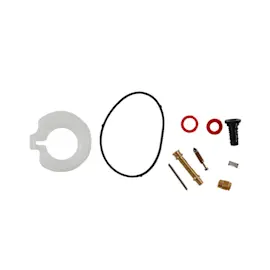
- Drain stale fuel and flush the carburetor bowl, then refill with fresh gasoline.
- Inspect the drive belt and auger drive belt for looseness or damage.
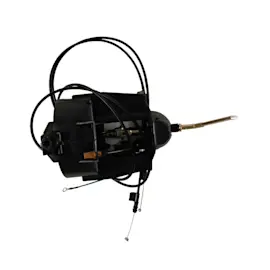
- Check traction drive cable and auger control cable adjustments.
- If it will not propel itself, inspect the friction wheel for wear and replace if damaged.
- If it will not discharge snow, check for a clogged chute or an object lodged in the auger (disconnect the spark plug wire first).
For model-specific procedures (including friction wheel access and belt cover steps), follow the owner's manual.
Why it matters
A snowblower that “almost works” can become unreliable in heavy snow. Fixing a single wear item (belt, friction wheel, cable adjustment) restores performance and costs far less than replacing the entire unit, while repeated engine or major drivetrain problems usually justify moving on.
Last updated: February 2026
Should I spray my snowblower with WD-40?
Yes; for the Steele SP-SB2421 gas snowblower, we recommend using a light spray rust-preventative lubricant on bare metal to help prevent corrosion, especially before storage. Use it on the blower housing, auger, and impeller surfaces, and keep any spray off belts, friction-drive parts, and hot engine areas.
Where it helps (and where to avoid it)
Use a light protectant only on clean, dry metal surfaces.
Good places to spray (light coat):
- Inside the discharge chute and chute deflector (to reduce sticking)
- Auger and impeller surfaces (rust prevention)
- Blower housing bare metal (rust prevention)
- Exposed fasteners and linkages (light corrosion protection)
Avoid spraying:
- Drive belts and pulleys (can cause slipping)
- Friction disc and drive plate (can ruin traction)
- Tires and rubber components (can degrade grip)
- Hot muffler, cylinder, or any ignition area (fire risk)
Best practice steps
- Shut the engine off and let it cool completely.
- Remove packed snow, ice, and debris; then wipe the machine dry.
- Apply a light coat to bare metal only; wipe off any excess.
- Before the next use, visually check that no spray got onto belts or drive components.
Storage guidance (what the manual calls for)
For off-season storage, the manual specifically calls for thoroughly cleaning the unit, lubricating points, and covering bare metal parts of the blower housing, auger, and impeller with a spray rust-preventative lubricant. See the owner's manual for the full storage checklist.
| Goal | Better approach | When to do it |
|---|---|---|
| Reduce chute clogging | Light non-stick style spray on chute surfaces only | Before a storm or mid-job if needed |
| Prevent rust | Rust-preventative lubricant on bare metal | After cleaning and before storage |
| Protect drive performance | Keep belts and friction drive dry and oil-free | Always |
Why it matters
Overspray on the drive system is the main downside; it can cause slipping, poor self-propel performance, and premature wear. Keeping lubricants limited to bare metal surfaces gives you the rust protection you want without creating traction problems.
Last updated: February 2026