Owner’s manual


What is the capacity of Samsung WF331ANR?
The Samsung WF331ANR washer is an ultra-capacity front-load washer; most units in this series are about 3.7 cu. ft. For the exact capacity listed for your specific WF331ANR, check the specifications section in the owner's manual.
How to confirm capacity on your WF331ANR
We recommend verifying capacity in the model-specific specs so you are matching detergent amounts, load size, and cycle selection correctly.
- Look for “Capacity” or “Drum volume” in the specifications table
- Confirm the full model identifier (WF331ANR/XAA-04) matches your rating label
- Use the stated capacity to avoid overloading (which can cause vibration and out-of-balance spinning)
- If you are comparing washers, use cu. ft. capacity, not just “large” or “extra large” labels
Typical capacity guidance (when you are sizing loads)
Even with an ultra-capacity washer, load size matters more than the number on the spec sheet.
| Load type | Practical fill level (by drum space) | Example items |
|---|---|---|
| Small | 1/4 to 1/3 full | Light daily laundry |
| Medium | 1/2 full | Mixed fabrics |
| Large | 2/3 full | Towels, jeans |
| Bulky | 1/2 full (loose) | Comforter, blankets |
Why it matters
Using the right capacity guidance helps your WF331ANR clean better and spin out more water; it also reduces strain on suspension parts such as the Samsung washer shock absorber DC66-00470B.
Last updated: February 2026
What is the most common problem with Samsung washing machines?
The most common problem we see with Samsung washing machines is a spin cycle issue: the washer won’t spin out properly, leaves clothes wet, or shakes and bangs during spin. On the Samsung WF331ANR, this is usually tied to load balance, draining problems, or worn suspension components.
Quick checks that fix many “won’t spin” complaints
- Redistribute the load; wash bulky items (blankets, towels) in smaller batches.
- Confirm the washer is level and solid on the floor; re-level the feet if it rocks.
- Run a Drain/Spin cycle with the tub empty to see if it reaches full speed.
- Check for slow draining symptoms (standing water, long drain time, gurgling).
- Inspect the door boot area for items trapped between the boot and basket.
Common causes and what they point to
| Symptom | Most likely cause | What to do next |
|---|---|---|
| Loud banging, walking, DC-type imbalance behavior | Weak suspension or overloaded/unbalanced load | Reduce load size; consider replacing shocks such as Samsung washer shock absorber DC66-00470B |
| Won’t spin and water remains | Drain restriction or failing pump | Clean the drain path; if pump is noisy or weak, consider Samsung washer drain pump DC31-00054A |
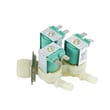
| Won’t fill correctly, then stops mid-cycle | Water supply or inlet valve issue | Verify hot/cold supply; if fill is inconsistent, consider washer water inlet valve DC62-30314K |
| Excess vibration even when level | Suspension wear, basket balance issues | Check shocks and balance ring; avoid single heavy items |
Why it matters
A washer that can’t drain or stay balanced often protects itself by reducing spin speed or stopping the cycle. Fixing the root cause prevents repeat “wet clothes” loads, reduces wear on the tub and bearings, and helps avoid leaks around the door boot.
Helpful model-specific resources
- Use the owner's manual for cycle selection, leveling guidance, and error code behavior.
- For Samsung front-load error code patterns tied to imbalance and spin problems, see Samsung front load washer error codes.
Last updated: February 2026
How long does a Samsung VRT washer last?
A Samsung VRT washer such as model WF331ANR typically lasts 10 to 14 years with normal household use. With consistent cleaning, correct loading, and prompt repair of leaks or vibration issues, it commonly reaches the upper end of that range.
Typical lifespan and what affects it
Most front-load washers wear based on load size, cycle frequency, and how well the tub and drain system are maintained.
- Loads per week: more cycles equals faster wear
- Overloading: increases stress on the spin basket, bearings, and shocks
- Water quality: hard water can speed up valve and dispenser buildup
- Drain care: coins and debris can damage the drain pump
- Vibration control: out-of-level installation shortens suspension life
Quick reference: what “normal” vs “heavy” use looks like
| Usage pattern | What it means | Typical lifespan |
|---|---|---|
| Light | 2 to 4 loads/week | 12 to 14 years |
| Normal | 5 to 7 loads/week | 10 to 13 years |
| Heavy | 8+ loads/week | 8 to 11 years |
Signs your washer is nearing end-of-life
If your WF331ANR is still cleaning well, it may have years left. These symptoms usually signal higher wear or an upcoming repair decision:
- Loud rumbling or grinding during spin
- Repeated out-of-balance or excessive vibration
- Water leaking at the door area (boot or clamp issues)
- Slow draining or standing water after the cycle
- Intermittent filling problems or long fill times
Repairs that often extend life
Addressing common wear items early can prevent secondary damage.
- Replace worn suspension parts such as the Samsung washer shock absorber DC66-00470B
- Fix draining issues by servicing the Samsung washer drain pump DC31-00054A
- Correct fill problems by replacing the washer water inlet valve DC62-30314K
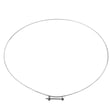
- Stop door leaks by replacing the washer door boot DC64-00802C
Why it matters
A washer that is kept level, not overloaded, and maintained (especially the door boot area and drain system) runs smoother, spins more efficiently, and avoids the vibration and leak problems that shorten service life. For model-specific care and cleaning steps, follow the WF331ANR owner's manual.
Last updated: February 2026