Error Codes


Can I replace dishwasher parts myself?
Yes, we often see DIYers successfully replace many parts on the Whirlpool WDTA50SAHN0 dishwasher, especially mechanical rack and door components. For electrical and water-handling repairs, you can still DIY if you work safely and test carefully, but the job is less forgiving.
These repairs are typically straightforward with basic hand tools:
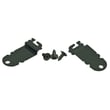
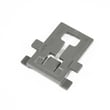
- Upper rack hardware such as the dishwasher rack adjuster W10712395
- Rack wheels and stops such as the Whirlpool dishwasher dishrack wheel W10195416V and dishwasher dishrack slide rail stop, upper WP8565925
- Door balance parts such as the dishwasher door balance link 8194001
- Door latch issues such as the dishwasher door latch WPW10653840
These involve water connections, clamps, or leak risk; plan extra time and towels:
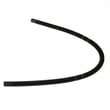
- Drain problems: check the drain path and consider the dishwasher drain pump W10876537 or a drain hose like dishwasher drain hose 8269144A
- Fill problems: inspect the supply line and consider the dishwasher water inlet valve WPW10327249
- Leaks at the base: inspect seals and grommets such as the dishwasher pump grommet WPW10538166
- Shut off power at the breaker (do not rely on the control panel)
- Turn off the water supply valve under the sink
- Take photos of wire and hose routing before disconnecting anything
- Use a shallow pan and towels for hoses and pump work
- Run a short test cycle and check for leaks after reassembly
| Repair type | Typical difficulty | Common tools |
|---|---|---|
| Rack parts (adjusters, wheels, stops) | Easy | Pliers, small screwdriver |
| Door latch and balance link | Medium | Screwdriver, nut driver |
| Drain pump, inlet valve, hoses | Medium to hard | Nut driver, pliers, towels |
| Control board or wiring harness | Hard | Multimeter, careful labeling |
On the WDTA50SAHN0, a small worn rack part can cause poor loading and spray coverage, while a drain or fill issue can stop cycles entirely. Choosing the right repair level helps you avoid repeat leaks, no-drain symptoms, and unnecessary part swaps.
For troubleshooting steps before replacing parts, we recommend how to reset a Whirlpool dishwasher and, if you see a fault code, Whirlpool dishwasher error codes.
Last updated: February 2026
Does the WDTA50SAHN0 have a stainless steel tub?
We treat the Whirlpool WDTA50SAHN0 as a stainless-tub style dishwasher; the most reliable way to confirm what you have at home is a quick visual check inside the cabinet (stainless looks like brushed metal, plastic looks molded and glossy). If your tub is damaged or leaking, we match parts by model to keep fit and sealing correct.
- Open the door and look at the side walls and back wall of the tub.
- Stainless steel tub: brushed silver metal, seams are visible, a magnet usually does not stick well.
- Plastic tub: white or gray molded surface, no metal grain, often has thicker molded ribs.
- Check the bottom area around the filter and sump; stainless will still look metallic.
- If you see rust-colored spots, they are usually from rack coating damage, not the tub itself.
A stainless tub typically holds heat better than plastic, which can help drying and reduce odor over time. It also tends to resist staining better, but it still needs routine cleaning and proper detergent use.
| Feature | Stainless steel tub | Plastic tub |
|---|---|---|
| Heat retention | Better | Good |
| Stain resistance | Better | Good |
| Sound damping | Often quieter with insulation | Varies |
| What you see | Brushed metal look | Molded glossy look |
Tub material affects drying results, long-term appearance, and which internal components and seals you should match to the WDTA50SAHN0 when ordering repair parts.
If you are troubleshooting poor drying, we start with the heater circuit and airflow; the element assembly W10703867 is one of the key parts involved in heating water and supporting drying performance.
Last updated: February 2026
Is the Whirlpool WDTA50SAHN0 a good dishwasher?
Yes. The Whirlpool WDTA50SAHN0 is a good dishwasher for most homes because it delivers consistent everyday cleaning with modern efficiency and generally quiet operation. “Good” depends on your priorities (drying plastics, cycle time, and rack layout), so match features to how you load and run cycles.
A dishwasher feels “good” when it cleans without rewashing, runs without disruptive noise, and dries acceptably for your dish mix.
- Use rinse aid to improve drying and reduce spots
- Expect longer cycle times on many modern energy-saving cycles
- Load so spray arms can spin freely (no tall pans blocking)
- Clean the filter area regularly to prevent odor and poor washing
- Address grinding or rattling early to avoid rack and tub wear
| Priority | WDTA50SAHN0 fit | What to watch |
|---|---|---|
| Quiet kitchen | Typically a good fit | Rattles from loose items or rack hardware |
| Strong drying | Good with settings and rinse aid | Plastics may still hold water |
| Fast cycles | Mixed | “Normal” can be long on efficient models |
Many “bad dishwasher” complaints are maintenance or a single-part issue.
- Poor drying: check the heater circuit; a failed element assembly W10703867 reduces drying and water heating
- Standing water: inspect the drain path; a weak dishwasher drain pump W10876537 can cause slow or no draining
- Detergent door problems: a sticking dishwasher detergent dispenser W10861000 leaves soap undissolved
- Control glitches: follow how to reset a Whirlpool dishwasher
- Error codes: use Whirlpool dishwasher error codes to narrow the failure to a system (drain, heat, fill)
A quiet, efficient Whirlpool dishwasher can still feel “not good” if drying expectations, cycle selection, and loading habits do not match the design. Keeping the heating, draining, and dispensing systems working correctly protects cleaning results and prevents repeat issues.
Last updated: February 2026
What are common problems with the WDTA50SAHN0?
Common problems we see with the Whirlpool WDTA50SAHN0 dishwasher include not draining, leaking, not cleaning well, not drying, and door or start issues. Most of these trace back to a clogged drain path, a weak pump, a fill problem, or a door latch that is not fully engaging.
- Not draining: drain hose kink/clog, disposer knockout not removed, drain pump issue, or a blocked filter/sump
- Leaking: door not sealing, tub-to-pump seal leak, loose hose connection, or over-sudsing from wrong detergent
- Not cleaning dishes: spray arms blocked, low water fill, circulation issue, or diverter not routing water correctly
- Not drying: heater not heating, rinse aid empty, or cycle options not set for drying
- Won’t start / stops mid-cycle: door not latched, control not responding, or a stuck key
- Door won’t close: rack interference, broken rack adjuster/wheels, or latch alignment problem
- Confirm the door closes firmly and the latch clicks; remove any rack or utensil that hits the door.
- Run the kitchen faucet hot for 30 to 60 seconds before starting to improve wash performance.
- Use only dishwasher detergent (not dish soap) and add rinse aid for better drying.
- Check the drain hose routing for kinks and make sure the sink drain/disposer connection is open.
- Clean the bottom area around the sump and remove debris that can block draining.
| Symptom | Common part to check | What it affects |
|---|---|---|
| Not draining | Dishwasher drain pump W10876537 | Pushes water out to the drain |
| Won’t start / door won’t close | Dishwasher door latch WPW10653840 | Confirms the door is shut so the cycle can run |
| Won’t fill / poor cleaning | Dishwasher water inlet valve WPW10327249 | Controls water entering the dishwasher |
| Not drying | Element assembly W10703867 | Heats water and supports drying |
If the control is flashing lights or showing a fault pattern, use our Whirlpool dishwasher error codes reference to match the code to a likely cause. For a basic control reset after a glitch or power interruption, follow how to reset a Whirlpool dishwasher.
A dishwasher that is not filling, heating, or draining correctly can leave soil on dishes, cause odors, and increase leak risk. Catching a weak drain pump, inlet valve, or latch early often prevents bigger repairs later.
Last updated: February 2026
What is the thing at the bottom of my dishwasher?
In a Whirlpool WDTA50SAHN0 dishwasher, the “thing” you see at the bottom is usually the heating element (a metal loop) and the sump area where water is collected and pumped. The heating element helps raise water temperature and improves drying performance.
- Heating element: A metal loop or bar near the tub floor that heats water and supports drying.
- Sump area: The low spot where water gathers before the circulation system moves it.
- Filter/screen area (varies by design): Helps trap food soil so it does not redeposit.
- Spray arm hub: The center mount where the lower spray arm connects.
If your WDTA50SAHN0 has a visible metal loop, that is the heating element; if you are seeing a round well or cover, that is typically the sump and filter area.
- Turn off the dishwasher and let it cool before touching anything.
- Remove the lower rack and look for a metal loop (heating element) versus a round well/cover (sump/filter).
- Check for standing water, heavy debris, or broken plastic pieces.
- If dishes are not drying well, the heating element is a common area to inspect.
- If the unit is not draining, the sump area and drain path are the first places to check.
| Symptom | Most likely bottom component | What it affects |
|---|---|---|
| Dishes not drying | Heating element | Water heating and drying |
| Water left in tub | Drain system/sump | Draining and water removal |
| Poor cleaning | Sump/circulation area | Water flow and spray pressure |
| Burning smell | Heating element area | Overheating or debris contact |
- If you are identifying or replacing the heater, use the model-matched element assembly W10703867.
- If the dishwasher is not draining and you suspect the bottom pump area, the model-matched dishwasher drain pump W10876537 is the common drain component.
Knowing whether you are looking at the heating element, sump, or drain area helps you troubleshoot correctly. For example, drying problems often point to the heater, while standing water points to the drain path and pump.
Last updated: February 2026