Installation guide
 Owner’s manual


What is the most common problem with a Maytag dishwasher?
For the Maytag MDB8969SDM3 dishwasher, the most common issues we see are poor cleaning, water not draining, and leaks around the door. These problems are usually tied to loading and detergent habits, drain path restrictions, or worn sealing components (see the MDB8969SDM3 user manual).
Most common problems (and what they usually point to)
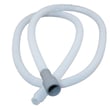
- Not draining: kinked drain hose, disposer knockout plug not removed, or a failing drain pump
- Not cleaning well: spray arms blocked by dishes, low water temperature, or detergent issues
- Leaking: door seal wear, tub gasket wear, or door not latching fully
- Not drying: rinse aid empty, Heated Dry not selected, or plastics holding water
- Won’t start or stops mid-cycle: door not latched, power interruption, or Start/Resume not re-pressed after opening
Quick checks we recommend first (MDB8969SDM3)
- Confirm the door is fully closed and latched; if the door is opened mid-cycle, press Start/Resume again.
- Run hot water at the sink until it’s hot before starting a cycle (helps cleaning and dissolves detergent).
- Check the drain path: air gap (if used), disposer inlet, and drain hose routing.
- Use rinse aid for better drying and fewer spots.
- Inspect the door sealing surfaces for tears, flattening, or debris.
Parts that commonly relate to these symptoms
| Symptom | Common part to inspect | Why it matters |
|---|---|---|
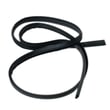
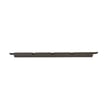
| Leaking at the front/bottom of door | Dishwasher door seal W11177741 | A worn seal can let water escape during wash and drain phases |
| Standing water after cycle | Dishwasher drain pump WPW10348269 | A weak pump may not push water through the drain hose |
| Door won’t latch or cycle won’t start | Dishwasher door latch WPW10653840 | The dishwasher may stop if it can’t confirm the door is latched |
Why it matters
Catching these issues early helps prevent repeat wash cycles, water damage around the toe-kick area, and unnecessary strain on the pump and motor system.
Last updated: January 2026
Is there a reset on Maytag dishwasher?
Yes. On the Maytag MDB8969SDM3 dishwasher, a “reset” is typically done by restoring power (a power-cycle) and then restarting the cycle; if the Start/Resume light is flashing, the cycle will not continue until the door is closed and Start/Resume is pressed again. See the MDB8969SDM3 user manual for model-specific control behavior.
How to reset (power-cycle) the MDB8969SDM3
- Turn the dishwasher off at the breaker (or unplug it if accessible).
- Wait about 60 seconds.
- Restore power.
- Select a cycle and press START/RESUME.
- If you opened the door mid-cycle, close the door and press START/RESUME again to continue.
If it still will not start after a reset
These checks are specific to common “won’t run” conditions described for this Maytag platform:
- Confirm the door is fully closed and latched.
- Make sure you selected a cycle (some cycles pause briefly during wash and can seem “stuck”).
- Verify the breaker is on and the dishwasher has power.
- Run hot water at the sink until it is hot, then start the cycle (helps with normal operation).
- If the Start/Resume indicator is flashing, press START/RESUME and close the door promptly.
Quick reference: what “reset” method to use
| Symptom | Best first step | What it does |
|---|---|---|
| Controls unresponsive | Power-cycle at breaker | Clears a temporary control glitch |
| Start/Resume light flashing | Close door, press Start/Resume | Resumes after door opened or power interruption |
| Dishwasher has power but won’t run | Re-select cycle, press Start/Resume | Ensures a valid cycle start |
Why it matters
A power-cycle reset can clear minor electronic hiccups, but many “no start” complaints are actually door-latch or Start/Resume conditions. If the door will not latch consistently, inspect the latch area and consider replacing the dishwasher door latch WPW10653840.
Last updated: January 2026
What is the average lifespan of a Maytag dishwasher?
Maytag doesn’t publish a single “average lifespan” for the MDB8969SDM3, so we can’t confirm a model-specific number from the available documentation. In many homes, dishwashers often run for roughly a decade; real-world life depends heavily on use, water conditions, and maintenance.
What we can confirm for MDB8969SDM3
The documentation for this model focuses on safe use, care, troubleshooting, and warranty coverage rather than a defined service-life target. For model-specific care steps and troubleshooting, use the MDB8969SDM3 use & care manual.
What typically shortens or extends dishwasher life
- Hard water scale and detergent film buildup
- Heavy daily use (more cycles equals more wear)
- Leaks that go unnoticed (especially around the door)
- Poor draining or frequent clogs
- Overloading that blocks spray arm rotation
Common “end-of-life” symptoms (and what they may point to)
| Symptom | Often related to | What to check first |
|---|---|---|
| Water on the floor at the door | Door sealing surface | Inspect and clean the seal; replace if torn |
| Standing water after cycle | Drain path or pump | Check drain hose routing and air gap/disposer |
| Loud grinding during drain | Drain pump area | Look for debris; consider pump replacement |
| Dishes stay dirty | Wash system or loading | Verify spray arms spin freely; avoid blocking |
If you’re seeing door leaks on this model, the dishwasher door seal W11177741 is a common wear item to inspect and replace when it’s split, hardened, or no longer sealing evenly.
Why it matters
Knowing that a precise “average lifespan” isn’t model-defined helps you make better repair decisions: if the unit is cleaning well and not leaking, maintenance and a targeted part replacement can be more cost-effective than replacing the dishwasher.
Last updated: January 2026