Error Codes




What is the lifespan of a Bosch washing machine?
A Bosch washing machine like model WFVC6450UC typically lasts 10 to 15 years. Reaching the high end depends on load size, how often you run cycles, and routine care such as keeping the door seal clean and preventing excessive vibration.
Typical lifespan (what most owners see)
Most front-load washers fall into a similar life range; Bosch units commonly land in the 10 to 15 year window when they are installed level, used with the right detergent amount, and kept clean.
| Usage pattern | Typical lifespan | What shortens it fastest |
|---|---|---|
| Light (1 to 3 loads/week) | 12 to 15 years | Long periods of non-use with moisture trapped in the boot |
| Average (4 to 7 loads/week) | 10 to 13 years | Overloading, chronic oversudsing |
| Heavy (8+ loads/week) | 8 to 11 years | Frequent overloading, vibration, repeated drain issues |
Maintenance that extends washer life
We recommend these habits because they reduce wear on the tub, bearings, door boot, and drain system:
- Keep the door slightly open between loads so the boot can dry.
- Wipe the door boot and glass after washing, especially after hot or heavily soiled loads.
- Use HE detergent and avoid using more than needed (oversudsing stresses the motor and drain pump).
- Run a monthly cleaning cycle (or a hot cycle with a washer cleaner) to control odor and residue.
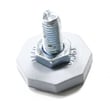
- Level the washer to prevent shaking; replace worn feet such as the washer leveling leg 00610643 if the machine will not stay stable.
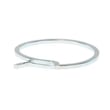
- Address leaks quickly; a loose or damaged clamp such as the washer door boot spring clamp 00648264 can lead to water damage and corrosion.
Signs your washer is nearing end of life
These symptoms usually mean a repair decision is coming soon:
- Loud rumbling during spin (bearing or tub wear)
- Repeated leaking at the door boot area
- Frequent error codes or cycle interruptions
- Excessive vibration even after leveling
- Burning smell or intermittent power issues
Why it matters
A washer that is kept level, clean, and leak-free runs quieter, protects clothing better, and avoids secondary damage (like corrosion or control problems) that can turn a small repair into a major one.
If you are seeing an error code on a Bosch Nexxt-style front-load washer, use our Bosch nexxt front load washer error codes guide to narrow the cause before replacing parts.
Last updated: February 2026
Is the Bosch WFVC6450UC washing machine any good?
Yes. The Bosch WFVC6450UC is a solid front-load washer known for strong cleaning performance, quiet operation, and efficient water and energy use, which makes it a good fit for smaller laundry spaces and everyday family loads.
What “good” usually means for this Bosch washer
When customers ask if a washer is “any good,” we focus on the things that affect day-to-day satisfaction:
- Cleaning results: Front-load washers like this typically excel at stain removal with less water.
- Noise and vibration: Bosch front-load designs are generally quiet when the washer is level.
- Cycle selection: Multiple cycles help match fabric type, soil level, and load size.
- Efficiency: Front-load washers typically use less water than many top-load designs.
- Serviceability: Wear items (hoses, clamps, seals) matter over the long run.
Quick pros and tradeoffs
| Category | What you’ll likely like | What to watch for |
|---|---|---|
| Performance | Consistent cleaning and rinsing | Overloading can reduce wash action |
| Comfort | Quieter operation than many washers | Unlevel installation can cause vibration |
| Ownership | Efficient water and energy use | Door boot area needs routine cleaning |
How to keep it performing like a “good” washer
A lot of “bad washer” complaints come from setup or maintenance, not the design itself.
- Level the washer and re-check if it starts to shake; a worn or missing washer leveling leg 00610643 can make balancing harder.
- Leave the door slightly open between loads to reduce moisture buildup.
- Wipe the door boot and glass regularly; front-loaders can develop odor if moisture stays trapped.
- Use the right detergent amount (too much can cause residue and odors).
- If you see leaks at the door boot area after service, inspect the boot clamp; the washer door boot spring clamp 00648264 is a common wear or reassembly item.
Why it matters
A washer can be “good” on paper, but leveling, correct loading, and basic front-load maintenance are what keep the Bosch WFVC6450UC quiet, efficient, and reliable over time.
Last updated: February 2026
What is the most common problem with a Bosch washing machine?
The most common issue we see with Bosch front-load washers like model WFVC6450UC is a load that goes out of balance during spin, which can cause banging, vibration, or a stopped spin. The next most common problems are drain restrictions (clogged pump filter or drain path), door-lock related stops, and small leaks.
Quick symptoms and what they usually mean
- Loud banging or walking during spin: load is unbalanced, washer is not level, or a leveling leg is loose
- Won’t drain or stops mid-cycle: drain pump filter or drain hose is restricted
- Won’t start or won’t spin: door not fully latched, door lock issue, or a control-related fault
- Water on the floor: door boot sealing issue, loose clamp, or a hose connection leak
- Error code on the display: points you to a specific system (drain, door lock, motor, etc.)
For code-based troubleshooting, use our Bosch nexxt front load washer error codes.
Most effective first checks (in order)
- Redistribute the load: mix large and small items; avoid washing one heavy item alone.
- Level the washer: a front-load washer must sit solidly on the floor. If a leg is damaged or won’t lock, replace the washer leveling leg 00610643.
- Check for drain restrictions: clean the pump filter and confirm the drain hose is not kinked or pushed too far into the standpipe.
- Inspect for door-boot leaks: look for tears, debris on the sealing surface, or a clamp that has slipped.
Common problems and the parts that often fix them
| Problem | What you’ll notice | Parts that commonly apply on WFVC6450UC |
|---|---|---|
| Out-of-balance vibration | banging, shaking, spin stops | Washer leveling leg 00610643 |
| Door boot leak at the front | water at the door area | Washer door boot spring clamp 00648264, washer door boot spring clamp 00648528 |
| Leak from a hose connection | dripping at the back | Washer hot water inlet hose 00422245 |
Why it matters
Ignoring vibration, drain problems, or small leaks can turn a simple adjustment into a bigger repair. Keeping the washer level, the drain path clear, and the door seal tight helps protect the tub, bearings, and control system.
Last updated: February 2026
What is error 26 on Bosch washing machine?
On the Bosch WFVC6450UC washer, error 26 (often shown as E26 or F26) points to a problem with the analog pressure sensor circuit, which the washer uses to detect water level. This can cause filling, draining, or cycle-completion issues.
What you can do first
- Unplug the washer for 2 minutes, then restore power and try a rinse and spin cycle.
- Check that the drain hose is not kinked, crushed, or pushed too far down the standpipe.
- Make sure the washer is not over-sudsing (too much detergent can confuse water-level sensing).
- If the tub is overfilled or won’t stop filling, turn off the water supply valves until you can service it.
- If the washer won’t drain, clear the pump filter and drain path (coins, lint, small socks are common).
Why this error happens
The pressure sensor reads air pressure from an air trap/hose connected to the tub. If that air path is blocked, leaking, or the sensor signal is out of range, the control can trigger E26/F26.
Common causes
| Likely cause | What you may notice | Typical fix |
|---|---|---|
| Excess suds | Long drain times, repeated draining | Reduce detergent, run a rinse cycle |
| Drain restriction | Water left in tub, slow drain | Clean filter, check hose and standpipe |
| Air hose/air trap issue | Intermittent errors, odd fill levels | Inspect/clean/replace hose or trap |
| Sensor or wiring fault | Error returns quickly after reset | Diagnose wiring, replace failed component |
Parts that may be involved
If you’re already inside the cabinet for service, it’s smart to check for leaks or loose clamps that can contribute to water-level and drain problems.
- Clamp 00174409 (inspect for secure hose connections)
- Shaft seal 00613084 (check for signs of water leakage near the drive area)
Why it matters
Water-level sensing protects the washer from overfilling, underfilling, and draining problems. Fixing the root cause of E26/F26 helps prevent repeat errors, poor cleaning, and potential water leaks.
Last updated: February 2026