 Installation guide
 Owner’s manual




How to order GE appliance parts?
To order replacement parts for your GE dishwasher model GDF520PGD4BB, match the part to your model using the diagrams and parts list, then purchase the correct item by part ID. Your owner's manual also helps you confirm features and options before ordering.
How we recommend ordering parts for GDF520PGD4BB
- Find your model number on the rating label and confirm it is GDF520PGD4BB.
- Use the parts diagrams to identify the exact part name and location.
- Match by part ID first (most precise), then confirm the manufacturer part number.
- Order only the part that matches your symptom (leak, no drain, poor cleaning, no heat).
- If you are replacing a seal or hose, inspect clamps and mounting points during the repair.
Commonly ordered parts for this model
These are frequently replaced items for cleaning, draining, and door issues:
| Symptom | Part to check | Example part on this page |
|---|---|---|
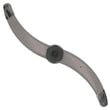
| Not cleaning well | Spray arms, filters | Dishwasher spray arm, lower WD22X33499 |
| Not draining | Drain pump, drain hose | Dishwasher drain pump WD19X25187 |
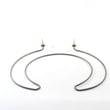
| Not drying | Heating element | Dishwasher heating element WD05X30818 |
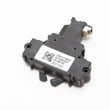
| Door won’t latch | Latch lock, strike | GE dishwasher door latch lock WD21X10490 |
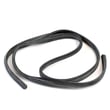
| Leaking at door/tub | Gaskets and seals | Tub gasket WD08X23476 |
Before you click “buy”: quick compatibility checklist
- Confirm the part fits GDF520PGD4BB (not just a similar GDF520 model).
- Compare the old part’s shape, connectors, and mounting points.
- For electrical parts (control board, latch), shut off power at the breaker before servicing.
- For water parts (inlet valve, drain hose), shut off the water supply and check for leaks after install.
Why it matters
Dishwashers often share similar-looking parts across model families, but small differences (mounting tabs, wiring plugs, seals) can cause fit issues or repeat problems. Matching by model number and part ID prevents wrong-part returns and speeds up your repair.
Last updated: February 2026
What is the average life expectancy of a GE dishwasher?
A GE dishwasher typically lasts 10 years on average. For your GE GDF520PGD4BB, you can often reach that lifespan (or longer) with consistent cleaning, correct detergent use, and quick repairs when you notice draining, heating, or wash-performance problems; see the owner's manual for care and operating guidance.
What affects dishwasher lifespan most
- Water quality and hard water buildup (film, scale, clogged spray holes)
- How often it runs (daily use wears pumps, seals, and racks faster)
- Cleaning and maintenance habits (filters, spray arms, door seals)
- Drying and heating performance (heater and control issues can shorten life)
- Leaks and moisture exposure (gaskets and seals protect the tub and floor)
Maintenance checklist to help it reach 10 years
- Clean the filter area regularly and remove debris after heavy soil loads.
- Inspect and rinse spray arms; clear blocked jets.
- Use a quality dishwasher detergent and rinse aid as recommended in the manual.
- Wipe the door sealing surfaces and check for tears or flattening.
- Run a periodic cleaning cycle to reduce odor and mineral buildup.
Common wear items and what they do
| Symptom | Likely wear area | Example part for GDF520PGD4BB |
|---|---|---|
| Dishes not getting clean | Spray coverage | Dishwasher spray arm, lower WD22X33499 |
| Water left in tub | Drain system | Dishwasher drain pump WD19X25187 |
| Poor drying | Heating circuit | Dishwasher heating element WD05X30818 |
| Door won’t latch or starts then stops | Door latch system | GE dishwasher door latch lock WD21X10490 |
Why it matters
Knowing the typical 10-year life expectancy helps you decide when a repair (like a drain pump, heating element, or latch) is a smart fix versus when it is time to plan for replacement.
Last updated: February 2026
Is it worth repairing a GE dishwasher?
For a GE GDF520PGD4BB dishwasher, repairing is worth it when the problem is a common wear item (like a drain pump, heating element, or door latch) and the tub and racks are in good shape. If you have repeated leaks, major electrical failures, or heavy rust damage, replacement usually makes more sense.
Quick way to decide (repair vs. replace)
Use these checkpoints first; they match the most common real-world failure patterns for built-in dishwashers.
- Repair if the issue is isolated (won’t drain, won’t heat, won’t latch, poor cleaning)
- Repair if the dishwasher is otherwise quiet, not leaking, and the door closes normally
- Replace if the tub is cracked, the unit has chronic leaks, or multiple major parts have failed
- Replace if racks are badly rusted and you also have pump or control problems
- Repair if you can confirm the symptom with basic checks in the owner's manual
Common repairs that are usually worth it on GDF520PGD4BB
These are frequent fixes that restore performance without replacing the whole dishwasher.
| Symptom | Likely cause | Example part for this model |
|---|---|---|
| Not draining | Failed drain pump or restricted drain path | Dishwasher drain pump WD19X25187 |
| Not drying or water stays cool | Failed heater circuit | Dishwasher heating element WD05X30818 |
| Door won’t start cycle | Door not latching | GE dishwasher door latch lock WD21X10490 |
| Dishes not getting clean | Clogged or damaged spray arm/filter | Dishwasher spray arm, lower WD22X33499 |
Why it matters
A built-in dishwasher is designed to be removable for service, and proper installation helps prevent repeat problems like leaks or wiring strain. Following the installation guide during reinstall or leveling reduces callbacks and protects parts like the drain hose and door seals.
Cost and effort tips before you buy parts
- Confirm the symptom: check for standing water, error indicators, and cycle behavior
- Inspect for leaks: look around the door perimeter and under the unit for moisture
- Clean first: filters and spray arms can mimic “bad pump” or “not cleaning” complaints
- Match parts to the model: use GDF520PGD4BB when selecting any GE dishwasher parts
- Prioritize safety: shut off power at the breaker and water supply before service
If you’re seeing an error code, use GE electronic dishwasher error codes to narrow the failure to a specific circuit or component before replacing parts.
Last updated: February 2026
What is the most common problem with a GE dishwasher?
The most common GE dishwasher problem is poor cleaning performance, usually caused by restricted water flow from dirty filters or clogged spray arms. On GE model GDF520PGD4BB, routine filter cleaning and checking spray arm holes fixes many “not cleaning” complaints; see the owner's manual.
What to check first (fast, high-impact)
- Clean the filters; inspect them about every other month, or sooner if dishes feel gritty.
- Check spray arm holes for debris; clear with a toothpick and rinse under warm water.
- Confirm the door fully latches; a weak latch can interrupt cycles.
- Use fresh automatic dishwasher detergent; replace old or damp powder.
- Refill rinse aid if drying and spotting are issues.
Common symptoms and the likely cause
| Symptom | Most common cause | What to do |
|---|---|---|
| Dishes not clean | Filters or spray arms restricted | Clean filters; clear spray arm jets |
| Grit on dishes | Filters need cleaning | Clean filters and sump area |
| Won’t start or stops | Door not latched or cycle interrupted | Re-latch door; restart cycle |
| Not drying well | Rinse aid empty or heater issue | Add rinse aid; check heat settings |
Parts that often solve the problem
If cleaning does not restore performance, these model-matched parts are common fixes:
- Dishwasher spray arm, lower WD22X33499 (clogged or worn spray jets)
- Dishwasher spray arm, middle WD22X33498 (weak upper rack wash)
- Dishwasher coarse filter WD22X10093 (restricted circulation)
- Dishwasher heating element WD05X30818 (poor drying, cooler wash water)
- GE dishwasher door latch lock WD21X10490 (won’t run, stops mid-cycle)
Why it matters
Restricted circulation makes the pump work harder, increases cycle time, and leaves soil behind. Keeping filters and spray arms clear is the simplest way to maintain wash performance and avoid repeat clogs.
Last updated: February 2026





