 Installation guide
 Owner’s manual



What is the life expectancy of an Electrolux washing machine?
Electrolux washers typically last about 10 years in normal household use. For your Electrolux EWFLW65HIW0 front-load washer, consistent maintenance and correct installation have the biggest impact on reaching (or beating) that average; see the EWFLW65HIW0 owner's manual for care routines and operating guidance.
Typical lifespan and what affects it
Most front-load washers land in a similar range, but these factors move the needle the most:
- Load size and frequency: fewer overloaded cycles reduces stress on the motor, tub, and shocks
- Detergent use: using the right amount of HE detergent helps prevent residue and odor
- Drain and pump health: keeping the drain path clear prevents slow-drain strain
- Vibration control: a level washer reduces wear on suspension and bearings
- Water quality: hard water can increase buildup in valves and internal passages
Maintenance that helps you hit the 10-year mark
We recommend these habits for the EWFLW65HIW0:
- Run a monthly cleaning cycle and wipe the door gasket dry after use
- Leave the door slightly open between loads to reduce moisture and odor
- Check pockets and use a mesh bag for small items to reduce pump clogs
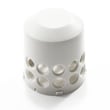
- Clean the drain filter area periodically; the filter pump 134640200 is part of the drain system that can collect debris
- Keep the washer level and stable to reduce out-of-balance wear
Quick guide: symptoms that shorten washer life
| Symptom | Common cause | What to do first |
|---|---|---|
| Excessive vibration in spin | Unlevel install, worn suspension | Level the feet; reduce load size |
| Musty odor or visible residue | Moisture, detergent buildup | Improve ventilation; run cleaning cycle |
| Slow drain or standing water | Debris in drain path/filter | Clean filter area; check drain hose |
| Door won’t lock/unlock reliably | Door lock or alignment issue | Inspect latch area; verify door closes fully |
Why it matters
A washer that is kept clean, level, and draining freely runs with less strain on high-wear components (drain system, suspension, and door lock). That directly improves reliability and helps you get the full expected service life.
Last updated: February 2026
Where to find model number on Electrolux front load washer?
On an Electrolux front-load washer like model EWFLW65HIW0, the model number is typically printed on the rating label around the door opening; check the door frame area and the back side of the door when it’s open. Confirm the exact label location in the EWFLW65HIW0 owner’s manual.
Where to look first (fastest checks)
- Open the washer door and inspect the door opening frame (usually along the inner rim).
- Check the back side of the door itself (near the hinge or latch area).
- Look for a rating label that lists model and serial.
- Wipe the area with a damp cloth; detergent residue can hide the print.
- Use a flashlight and take a photo to zoom in on small text.
What the label looks like
Most Electrolux labels include “Model” and “Serial” fields and may also list electrical ratings.
| Label field | What it’s used for | When you need it |
|---|---|---|
| Model number | Identifies the exact washer design | Ordering parts, checking compatibility |
| Serial number | Identifies the production unit | Service history, warranty, support |
Why it matters
We use the model number to match the correct Electrolux washer parts and diagrams. Even small model-number differences can change items like the door lock, water inlet valve, or control board.
If you still can’t find it
- Check for a second label on the rear panel of the cabinet.
- Match the model on your paperwork and then verify it against the washer label.
- If you’re ordering a common repair part, confirm fit by model before purchasing (for example, the door lock 134629900 is model-specific).
Last updated: February 2026
Why is my Electrolux washing machine leaking water from underneath?
On an Electrolux EWFLW65HIW0 front-load washer, water leaking from underneath usually comes from a drain or fill component (pump/filter, hoses, or inlet valve) or from oversudsing that forces water out of the tub area. We recommend checking the drain path first, then the fill system, using the EWFLW65HIW0 installation guide for drain setup requirements.
Quick checks that solve most under-washer leaks
- Unplug the washer and dry the floor so you can see fresh drips.
- Confirm the drain hose is not kinked or shoved too far into the standpipe.
- Verify the standpipe height is 24 to 96 inches above the floor (a common cause of siphoning and overflow-type leaks).
- Run a short rinse and watch when the leak starts: fill, tumble, or drain/spin.
- Use HE detergent and reduce soap if you see lots of foam (oversudsing can mimic a leak).
Match the leak timing to the most likely part
| When you see water | Most likely area | What to inspect next |
|---|---|---|
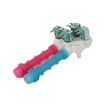
| During fill | Inlet hoses, inlet valve | Hose connections and water valve 134637810 |
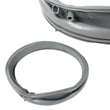
| During wash/tumble | Door boot area, dispenser hose | Door boot for tears, dispenser-to-tub hose routing |
| During drain/spin | Pump/filter, drain hose | Pump/filter housing and filter pump 134640200 |
Parts that commonly cause leaks underneath
If the leak happens mainly during draining or spinning, the drain system is the first place we look.
- Filter pump 134640200 (drain pump filter area can seep if the cap or seal is compromised)
- Drain pump 137038700 (pump body or connections can leak under load)
- Water valve 134637810 (can drip during fill or weep slowly even when off)
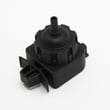
- Pressure switch 134762010 (if the washer overfills, water can end up where it should not)
Why it matters
Leaks from underneath can damage flooring and can also point to a drain setup issue. The EWFLW65HIW0 installation requirements call for a drain system capable of handling high flow and a correctly sized, correctly positioned standpipe; when those are off, water can back up or siphon and appear as a “mystery” leak.
Last updated: February 2026


