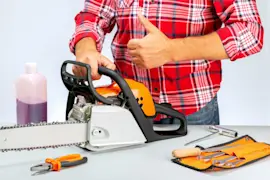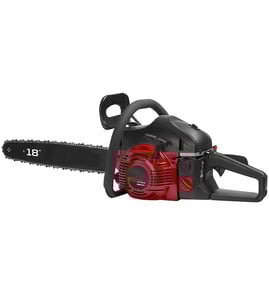

When was the ECHO CS-400 made?
The Echo CS-400 is a long-running gas chainsaw model that has been produced across multiple years rather than a single “made in” year. The most accurate way to pin down when your specific CS-400 was made is to use the serial number and production code information on the saw itself.
How to identify the build period for your CS-400
Check these common locations for the model and serial information:
- Starter housing or recoil cover area
- Crankcase or rear handle area
- A label near the fuel tank
- Stamped/printed tag on the chassis
Once you find the serial number, record it exactly as shown (including any prefixes).
What “made” can mean (and what to look for)
For chainsaws like the Echo CS-400, “when it was made” usually refers to one of these:
| What you want to know | What to use | Where to find it |
|---|---|---|
| Production date range | Serial number and any date code | ID tag or stamped marking |
| Version changes over time | Illustrated parts breakdown match | Parts list for CS-400 |
| Age for maintenance planning | Hours of use plus condition | Bar, chain, clutch, air filter condition |
Why it matters
Echo updated components on many long-production models over time. Knowing the approximate build period helps us match the correct carburetor settings, fuel line routing, ignition parts, and bar and chain fitment when you are troubleshooting or ordering replacement parts.
Next best step if you are ordering parts
Use the model number CS-400 plus your serial number to narrow the correct diagrams and parts list. For repair and maintenance guidance that applies to most gas chainsaws, start with our chainsaw category landing page.
Last updated: February 2026
What did CS stand for?
On the Echo CS-400 gas chainsaw, CS is the model-series prefix Echo uses to identify a chainsaw (as opposed to other Echo outdoor power equipment). In other words, “CS” is a product line designation, and “400” is the specific model within that series.
What “CS” means on chainsaws (and what it does not)
When you see CS on a chainsaw model tag, parts list, or decal, it is there to help match the correct parts and service information to the right machine.
- CS = chainsaw series identifier used in Echo model names
- It helps separate chainsaws from other Echo product families
- It is not a feature rating (it does not mean cc, horsepower, or bar length)
- It is not a universal abbreviation across all brands
- For parts lookup, the full model number CS-400 matters more than “CS” alone
Why the full model number matters for parts
Echo often has multiple models that start with “CS”. Using the complete model number helps you avoid ordering the wrong chain, guide bar, carburetor, ignition parts, or fuel system components.
| What you have | What it tells us | What to use for parts matching |
|---|---|---|
| “CS” only | It is an Echo chainsaw series | Not enough by itself |
| “CS-400” | Exact chainsaw model | Best identifier |
| Serial number | Production run details | Helpful for confirming variations |
Quick tips to confirm you are looking up the right CS-400
- Match the model tag exactly: CS-400
- Check for any suffixes or additional markings near the model/serial label
- Compare your saw’s configuration (bar length, chain pitch, gauge) before buying wear items
- Use a symptom-based guide if you are troubleshooting starting or running issues
Why it matters
“CS” is common across many Echo chainsaw models, so relying on “CS” alone can lead to mismatched parts and wasted time. Using CS-400 keeps your repair and maintenance choices aligned with the correct Echo chainsaw platform.
For broader chainsaw repair and maintenance topics, use our chainsaw category landing page.
Last updated: February 2026
What is the gas mixture for ECHO cs-400?
For the Echo CS-400 gas chainsaw, we use a 50:1 fuel mix (50 parts fresh unleaded gasoline to 1 part 2-cycle engine oil). Mix it in an approved fuel container, then fuel the saw; this ratio protects the engine and keeps it running correctly.
How to mix 50:1 fuel correctly
- Use fresh, clean unleaded gasoline (stale fuel is a common no-start cause).
- Use 2-cycle oil labeled for air-cooled 2-stroke engines.
- Add about half the gasoline to the container first.
- Add the measured oil, close the container, and shake to blend.
- Add the remaining gasoline, close, and reshake.
- Label the container “50:1” so it never gets confused with other mixes.
Quick mix chart (50:1)
| Gasoline amount | 2-cycle oil needed |
|---|---|
| 1 gallon | 2.6 fl oz |
| 2 gallons | 5.1 fl oz |
| 5 gallons | 12.8 fl oz |
Why it matters
Running too little oil can score the piston and cylinder; running too much oil can foul the spark plug, smoke excessively, and make the CS-400 run rough. Correct mix ratio also helps the carburetor meter fuel consistently.
If it still runs poorly after mixing fresh fuel
Use this checklist before replacing parts:
- Drain old fuel and refill with a fresh 50:1 mix
- Check the air filter for heavy dirt loading
- Inspect the spark plug for fouling and correct gap
- Confirm the fuel cap vent is not blocked
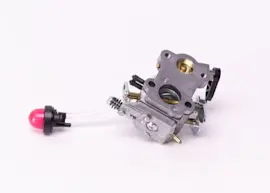
- Look for cracked fuel lines or a leaking primer bulb
For step-by-step troubleshooting, use our DIY resources like tips for a hard to start chainsaw and chainsaw runs rough.
Last updated: February 2026
Is ECHO cs-400 a good chainsaw?
Yes. The Echo CS-400 is a solid homeowner gas chainsaw for routine cutting like storm cleanup, firewood, and trimming medium limbs; it is known for dependable starting, steady power, and manageable weight when it is tuned correctly and maintained.
What “good” means for the Echo CS-400
A chainsaw is a good fit when it matches your typical cut size and you can keep it running safely and consistently.
- Best for homeowners doing occasional to regular cutting
- Strong choice for limbing and bucking small to medium logs
- Easier to handle than many larger pro saws
- Performance depends heavily on sharp chain, clean air filter, and fresh fuel mix
- Not the best pick for frequent felling of large hardwoods (a larger displacement saw fits that job better)
Quick fit check: CS-400 vs common homeowner needs
| Your typical job | CS-400 fit | What to focus on |
|---|---|---|
| Trimming branches, yard cleanup | Great | Chain sharpness, bar oiling |
| Firewood (small to medium rounds) | Great | Proper chain tension, clean air filter |
| Storm cleanup (mixed sizes) | Good | Fresh fuel mix, reliable starting |
| Regular large-tree felling | Fair | Consider more power and longer bar |
What to do to keep it “good” over time
Most “bad chainsaw” complaints come from fuel, ignition, or cutting setup issues, not the saw itself.
- Use fresh, properly mixed 2-cycle fuel and don’t store it long-term in the tank
- Keep the chain sharp and set to correct tension before each session
- Confirm the oiler is working (bar and chain oil should be consumed during use)
- Clean or replace the air filter when power drops or it starts running rich
- If it starts hard or runs rough, inspect the fuel lines and carburetor condition
For step-by-step troubleshooting and repairs, use our DIY resources like chainsaw care and troubleshooting tips and tips for a hard to start chainsaw.
Why it matters
A well-matched, well-maintained chainsaw cuts faster with less kickback risk and less engine wear; that saves time, reduces frustration, and helps the Echo CS-400 deliver the reliability homeowners expect.
Last updated: February 2026