Installation guide
 Owner’s manual


What is the most common problem with a whirlpool dishwasher?
The most common Whirlpool dishwasher problem is a drain-related issue (standing water or slow draining), usually caused by a clogged filter area, a restricted drain hose/air gap, or a failing drain pump. For your Whirlpool WDF560SAFM1, we start with the drain path checks in the installation guide.
- Water left in the bottom after the cycle ends
- Humming sound but little or no water movement
- Dirty water backing up during or after draining
- Dishes not cleaning well because wash water is not circulating properly
- Start/Resume light flashing if the door is not latched quickly after pressing Start/Resume
- Confirm the door is latching: On many Whirlpool models, you must close the door within about 3 seconds after pressing Start/Resume or the light can flash and the cycle will not run as expected.
- Verify power and water: Check the breaker/fuse and confirm the house water shutoff valve is on.
- Check the drain hose routing: Look for kinks, crushing, or a low loop problem under the sink.
- Clear common drain restrictions: Clean the filter area and check for debris that can block the sump.
If the basic checks do not restore normal draining, these are frequent repair paths on WDF560SAFM1:
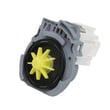
- Dishwasher drain pump WPW10348269 (no drain or weak drain)
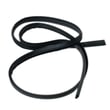
- Dishwasher drain hose 8269144A (restricted, kinked, or leaking drain line)
- Filter cup a W10872845 (debris buildup that contributes to poor wash and drain performance)
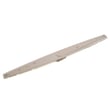
- Dishwasher spray arm WPW10491331 (poor cleaning from clogged spray holes)
| Symptom | Most likely cause | Common next step |
|---|---|---|
| Standing water after cycle | Drain restriction or weak drain pump | Inspect hose and sump; consider drain pump |
| Poor cleaning | Clogged spray arm or filter area | Clean spray arm and filter cup |
| Leaks at the door | Worn door seal | Inspect and replace seal if torn or flattened |
| Won’t start or stops quickly | Door not latched, power issue | Latch check; breaker/fuse check |
Drain problems can also create poor cleaning and odor issues because dirty water stays in the tub and recirculates. Fixing the drain path first prevents unnecessary part replacement and gets wash performance back faster.
Last updated: February 2026
Where is the filter on Whirlpool WDF560SAFM1?
On the Whirlpool WDF560SAFM1 dishwasher, the filter is located in the bottom of the tub, underneath the lower dish rack. Pull the lower rack out, then look around the sump area on the tub floor for the filter assembly you can twist and lift out for cleaning (see the owner's manual).
- Turn the dishwasher off and let it cool.
- Slide the lower rack out to expose the tub bottom.
- Locate the filter at the bottom center area of the tub (around the sump).
- Twist the filter to unlock, then lift it out.
- Rinse under warm water and use a soft brush to remove debris.
- Reinstall the filter fully seated and locked before running a cycle.
- Remove labels, glass, bones, and food scraps from the filter screen.
- Check the tub bottom for standing water or heavy soil buildup.
- Spin the lower spray arm by hand to confirm it moves freely.
- Make sure the filter is locked in place so it cannot lift during washing.
- If cleaning performance is poor, inspect the dishwasher spray arm WPW10491331 for clogs.
| What you notice | What it often means | What to do |
|---|---|---|
| Grit on dishes | Filter is clogged | Clean filter and run a hot cycle |
| Cloudy glasses | Soil recirculating | Clean filter, verify detergent and rinse aid |
| Poor wash coverage | Spray arm holes blocked | Clean spray arm and filter |
| Drain issues | Debris in sump or drain path | Clean filter, then check drain path |
The filter protects the pump and helps keep food soil from redepositing on dishes. Keeping it clean helps the dishwasher wash better, drain more reliably, and reduces odors over time.
Last updated: February 2026
Is it worth replacing the pump on a dishwasher?
Yes, it’s usually worth replacing a pump on a Whirlpool WDF560SAFM1 dishwasher when the tub, racks, and door are in good shape and the problem is clearly tied to draining or wash circulation. A pump repair typically restores performance for far less than replacing the entire dishwasher.
- The dishwasher is cleaning well otherwise (no widespread leaks, no major rust, door closes normally).
- The issue matches the pump type:
- Not draining: likely a drain pump or drain path problem.
- Poor wash pressure: likely a circulation issue (pump, diverter, spray arm, sump).
- You’ve already cleared simple clogs (filter area, disposer inlet, drain hose routing).
- The repair cost is reasonable compared to the dishwasher’s overall condition.
- You can confirm the correct procedure and access steps in the WDF560SAFM1 installation guide.
Many “bad pump” symptoms are caused by installation or drain routing issues. For this model’s installation requirements, we follow the guidance in the WDF560SAFM1 installation guide.
- Drain hose setup: The drain connection should be made above the drain trap and at least 20 in. above the floor; a high loop or air gap is recommended depending on the setup.
- Drain hose length: Use a single hose run; do not join multiple drain hoses together.
- Disposer connection: Make sure the disposer inlet is clear (and the knockout plug is removed if newly installed).
If you’ve confirmed a pump failure, these are common matches for WDF560SAFM1 symptoms:
| Symptom | Most likely part to consider | Example part for this model |
|---|---|---|
| Water won’t drain, standing water | Drain pump | Dishwasher drain pump WPW10348269 |
| Weak cleaning, poor spray | Spray arm or diverter (sometimes circulation system) | Dishwasher spray arm WPW10491331 |
| Leaks at sump area, poor sealing | Sump and seal components | Dishwasher sump and seal assembly WPW10455268 |
Replacing the correct pump (or the actual root cause) prevents repeat failures, protects the motor and control from water issues, and gets cycle performance back to normal without the cost and hassle of a full replacement.
Last updated: February 2026
What is the life expectancy of a whirlpool dishwasher?
A Whirlpool dishwasher like model WDF560SAFM1 typically lasts 10 to 12 years with normal household use. Lifespan depends most on water quality, how often it runs, and routine maintenance such as keeping filters clear and protecting door seals from buildup.
- Water hardness and mineral scale; hard water speeds up wear on the heating system and internal seals
- Load frequency; multiple loads daily shortens overall service life
- Cleaning and maintenance; keeping the sump area and filter system clean reduces pump strain
- Drying habits; using rinse aid improves drying and helps control hard-water deposits (noted in the installation guide)
- Leak prevention; a clean, pliable door seal helps prevent slow leaks that can damage components
Use these habits to reduce stress on the motor, pumps, and wash system:
- Scrape off heavy food before loading (no need to pre-wash to spotless)
- Clean the filter area regularly and remove debris from the sump
- Run hot water at the sink before starting a cycle so the dishwasher fills with hotter water
- Use rinse aid consistently for better drying and less mineral buildup
- Inspect and wipe the door sealing surfaces; replace worn seals when they flatten, tear, or leak
| Part | What it impacts | Typical symptom when worn |
|---|---|---|
| Dishwasher door seal W11177741 | Keeps water inside the tub | Drips at the sides/top of the door |
| Dishwasher door seal, lower W10909089 | Seals the bottom edge of the door | Water pooling at the front center |
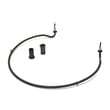
| Element assembly W10703867 | Water heating and drying performance | Poor drying, cooler wash results |
| Dishwasher drain pump WPW10348269 | Draining at the end of cycles | Standing water in the tub |
Knowing the typical 10 to 12 year lifespan helps you decide whether to maintain and replace key parts (like seals, a drain pump, or a heating element) or plan for a full replacement when multiple major components start failing.
Last updated: February 2026
What are the commonly replaced parts in a dishwasher?
In a Whirlpool dishwasher like model WDF560SAFM1, the most commonly replaced parts are the ones that handle leaking, draining, heating, and spray performance. When you see poor cleaning, standing water, or leaks at the door, these wear items are the first places we check; see the owner's manual for model-specific symptoms and care steps.
- Heating and drying issues: heating element, thermostats, wiring connections
- Not draining or slow draining: drain pump, drain hose, clogs in the drain path
- Poor cleaning or weak spray: spray arm, filters, circulation pump, diverter
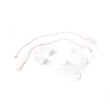
- Leaks at the front or corners: door seals, lower door seal
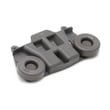
- Racks not rolling smoothly: dishrack wheels, rail stops
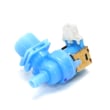
- Fill problems (no water or overfilling): water inlet valve
These are common replacement items we see for WDF560SAFM1:
| Symptom | Likely part | Example part for this model |
|---|---|---|
| Water leaking at the door | Door seal | Dishwasher door seal W11177741 |
| Water leaking at the bottom of the door | Lower door seal | Dishwasher door seal, lower W10909089 |
| Dishwasher not draining | Drain pump | Dishwasher drain pump WPW10348269 |
| Dishes not drying well | Element assembly | Element assembly W10703867 |
| Dishes not getting clean | Spray arm | Dishwasher spray arm WPW10491331 |
| No fill or slow fill | Water inlet valve | Dishwasher water inlet valve WPW10327249 |
- Clean the filter area and remove debris that can restrict wash and drain flow.
- Confirm the drain hose routing (no kinks, no crushing under the unit).
- Run hot water at the sink first so the dishwasher starts with hotter incoming water.
- Check loading and detergent use; blocked spray arms and overpacked racks reduce cleaning.
- Look for obvious leak paths (torn gasket, warped seal, loose hose connections).
Replacing the right part restores normal wash pressure, proper draining, and correct heating. That prevents repeat clogs, reduces leaks that can damage cabinets, and helps the dishwasher complete cycles with better cleaning and drying.
Last updated: February 2026