Owner’s manual
 Error Codes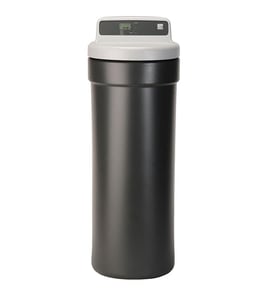






How long does a 40 lb bag of water softener salt last?
For the Kenmore 625348321 water softener, a 40 lb bag of pellet or nugget salt typically lasts about 3 to 6 weeks in an average home. Salt use depends mainly on your water hardness (gpg), household water use, and how often the softener regenerates.
What changes how fast you use salt
Salt consumption is driven by how much hardness the resin must remove and how often the unit recharges.
- Water hardness (gpg): higher hardness means more frequent regeneration
- Household size and water use: more showers, laundry, and dishes use more capacity
- Iron in the water (ppm): iron increases the effective hardness and can raise salt use
- Timer/settings after power loss: if the time is not reset, the unit can regenerate on a default schedule
- Salt type and storage conditions: humidity and poor salt quality can cause bridging and reduce brine making
Salt level targets we recommend
Your manual guidance is to monitor the salt level closely after installation and keep enough salt in the brine tank to avoid losing softening capacity.
- Check salt a few weeks after install, then weekly
- Refill when the brine tank is about 1/3 full
- Avoid letting salt get too low; performance can drop when the level is low
- Watch for a salt bridge (hard crust with an empty space underneath)
Quick reference table
| Home and water conditions | Typical 40 lb bag lasts | What you will notice |
|---|---|---|
| 1 to 2 people, moderate hardness | 5 to 8 weeks | Less frequent regeneration |
| 3 to 4 people, moderate to hard water | 3 to 6 weeks | Normal salt use |
| Very hard water and or iron present | 2 to 4 weeks | More frequent regeneration |
Why it matters
If the softener runs out of salt or a salt bridge prevents brine from forming, the resin bed cannot regenerate properly and you will start getting hard water again. Keeping the brine tank properly filled helps maintain consistent soft water and can reduce wasted salt from unnecessary recharges.
Helpful model-specific tip
After a power outage, confirm the time and settings using the 625348321 owner's manual. If the clock is not reset, the softener can fall into a default pattern that regenerates multiple times per week, which can increase salt use.
Last updated: January 2026
What is the average life expectancy of a water softener?
Most residential water softeners last 10 to 15 years. For the Kenmore 625348321 water softener, lifespan depends mainly on water hardness, iron levels, and routine care (keeping salt in the brine tank and preventing clogs); consistent maintenance helps you reach the upper end of that range.
What affects water softener lifespan most
- Water hardness and daily usage: harder water and higher demand increase wear.
- Iron in the water: iron can foul resin and valve components over time.
- Salt quality and storage conditions: humid conditions can cause salt bridging and reduce performance.
- Regeneration settings: overly frequent recharges add wear; too infrequent reduces softening.
- Valve and seal condition: worn seals can cause internal leakage and poor softening.
Typical lifespan by component (what usually fails first)
| Component | Typical service life | Common symptom |
|---|---|---|
| Control valve seals/spacers | 5 to 10 years | Hard water returns, constant drain flow, internal bypass |
| Nozzle/venturi assembly | 5 to 10 years | Not drawing brine, weak brine draw |
| Resin media | 10 to 15 years | Reduced softening capacity, frequent recharges |
| Tanks (resin or salt storage) | 10+ years | Leaks, cracks, physical damage |
Maintenance that extends life (high impact)
Use these habits to keep the 625348321 running efficiently:
- Keep salt above the water line when possible; avoid letting the tank run empty.
- Break up salt bridges and salt mush if you notice a hollow crust or poor brine draw.
- Clean the brine tank periodically and keep the brinewell cover in place.
- Sanitize the softener at installation and as needed (follow the 625348321 owner's manual).
- If you see brine draw problems or hard water after regeneration, inspect and clean the venturi; replace if needed with the water softener nozzle and venturi with gasket 7187772.
Why it matters
A softener that is nearing end-of-life often still “runs,” but it wastes salt and water, regenerates more often, and lets hardness minerals through. Catching wear early (especially in the valve and venturi) usually restores performance and delays full replacement.
Last updated: January 2026
What water softeners do plumbers recommend?
Plumbers typically recommend water softeners that are correctly sized for the home, use a proven control valve, and are easy to service; if you already own the Kenmore 625348321, keeping it clean and properly regenerated is often the most practical “recommended” choice for reliable soft water. For model-specific operation and settings, use the 625348321 owner's manual.
What plumbers usually look for (and how to compare)
Most plumbers prioritize long-term reliability and serviceability over brand name alone.
- Correct grain capacity for your hardness level and household size
- A dependable valve that regenerates consistently (no sticking, no leaks)
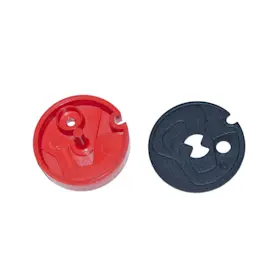
- Easy access to common wear parts (seals, rotor/disc, nozzle and venturi)
- Clear programming for recharge time and salt settings
- Good support for parts availability and maintenance
Quick comparison checklist
| What matters | Why plumbers care | What to check at home |
|---|---|---|
| Proper sizing | Prevents hard water breakthrough | Hardness level, iron level, daily usage |
| Regeneration timing | Avoids hard water during peak use | Set recharge for low-use hours |
| Brine draw performance | Ensures resin recharges fully | Nozzle/venturi cleanliness |
| Leak-free valve | Prevents water waste and damage | Seals, rotor/disc condition |
If you are troubleshooting your current Kenmore 625348321
If your goal is “plumber-recommended performance” from the softener you already have, maintenance is the fastest win.
- If water tastes salty after regeneration, run a manual recharge and flush cold soft-water faucets until the taste is gone.
- If you are getting hard water, clean the nozzle and venturi; a plugged venturi can stop brine draw.
- Avoid using hot water during regeneration; the water heater can refill with hard water.
- Break up salt bridging using a broom handle (do not pound the tank); refill with pellet or nugget salt.
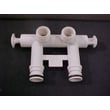
Common service parts for this model:
Why it matters
A “recommended” water softener is one that consistently removes hardness minerals and stays efficient; correct settings, clean brine components, and timely replacement of wear parts often matter more than the label on the cabinet.
Last updated: January 2026
Is it worth repairing a water softener?
Yes. Repairing your Kenmore water softener model 625348321 is worth it when the problem is limited to common wear parts in the valve or brine draw system and the resin tank and salt storage area are in good condition. Replace the unit when you have structural leaks or repeated major failures.
Quick decision checklist
- Repair when water is hard but the unit still runs and cycles.
- Repair when you see minor leaking at the valve area that points to worn seals.
- Repair when regeneration seems weak (often a nozzle/venturi or rotor issue).
- Replace when the resin tank or salt storage drum is leaking.
- Replace when multiple assemblies fail repeatedly in a short time.
Repairs that are usually good value
These are common, targeted fixes that restore soft water without replacing the whole system:
- Worn internal seals: Kenmore water softener seal kit 7129716
- Brine draw or poor regeneration: water softener nozzle and venturi with gasket 7187772
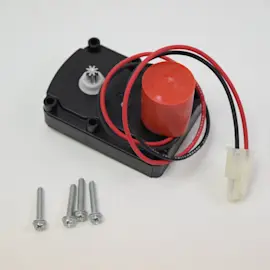
- Valve cycle position problems: waterworks water softener rotor position switch 7030713
Cost vs. outcome guide
| What you’re seeing | Best choice | What it usually means |
|---|---|---|
| Unit runs but water stays hard | Repair | Valve bypassing, venturi clogged, or seals worn |
| Salty taste after regeneration | Repair and flush | Run a recharge, then flush cold water until taste clears |
| Leaking tank or salt drum | Replace | Structural leak, not a small-parts fix |
| Several problems at once | Replace | Repair costs add up quickly |
Why it matters
A properly working softener reduces scale buildup in plumbing and water-using appliances and improves soap performance. The manual also notes the system can send hard water to the house during regeneration (automatic bypass), so fixing regeneration issues prevents surprise hard water.
What to check first
Use the 625348321 owner's manual to confirm timer settings and follow the troubleshooting steps, then check:
- Salt level and salt bridging
- Whether a regeneration completes
- Valve area moisture or drips
Last updated: January 2026