 Error Codes



How do I reset my dryer heating element?
You do not reset the heating element on a Fisher & Paykel DE05-US1 dryer; if the dryer is not heating, the fix is to restore airflow and power, then test the heating circuit and replace the failed part (the element, thermostat, or safety device) as needed.
What you can reset (and what you cannot)
- Heating element: no reset; it either heats or it does not.
- Household power: you can reset a tripped breaker (electric dryers often need both legs of 240V).
- Overheat condition: you can correct the cause (lint blockage, crushed vent) so the dryer can heat normally again.
Quick checks before replacing parts
- Unplug the dryer (or switch off the breaker) and let it cool.
- Clean the lint screen and confirm strong airflow at the outside vent hood.
- Check the vent path for kinks, long runs, or heavy lint buildup.
- If electric, reset the breaker fully (OFF then ON).
- Run a timed dry cycle and see if heat returns.
Parts that commonly stop heat on this model
If airflow and power are good, a failed heating component is the usual cause. These parts on our DE05-US1 parts list are common suspects:
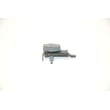
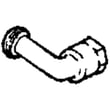
- Heater and housing WE11M23 (heating element assembly)
- Thermostat WE4M137 (high-limit thermostat)
- Dryer safety thermostat WE4M160 (safety cutoff thermostat)
Symptom-to-part guide
| Symptom | Most likely area | What to do next |
|---|---|---|
| Runs but never heats | Heating circuit | Test element and thermostats; replace failed part |
| Heats briefly then stops | Overheating/airflow | Clear venting; test high-limit thermostat |
| Long dry times, weak airflow | Venting/lint restriction | Clean venting and lint path; recheck heat |
Why it matters
A dryer that cannot move air overheats and shuts heat down; fixing airflow first prevents repeat failures and protects the heater, thermostats, and wiring.
For safe electrical testing, we use a meter to check continuity and resistance; our guide how to use a multimeter to test electrical parts video walks through the basics.
Last updated: February 2026
Is 6.7 cubic feet a big dryer?
Yes. A 6.7 cubic foot dryer is a large-capacity home dryer; it handles family-size loads and many bulky items with fewer cycles. For Fisher & Paykel model DE05-US1, use the capacity listed on your model’s rating label or product literature to confirm the exact drum size.
How 6.7 cu. ft. compares
Most residential dryers fall into these capacity bands:
- Compact: 3.4 to 4.4 cu. ft.
- Medium: 5.0 to 6.0 cu. ft.
- Large: 6.5 to 7.4 cu. ft.
- Extra-large: 7.5 cu. ft. and up
What a 6.7 cu. ft. drum typically handles
In real-world use, a large-capacity dryer like this usually supports:
- Full mixed loads of everyday clothing
- Multiple bath towels in one cycle
- Queen sheets and light blankets
- Better tumbling space for more even drying
Quick capacity guide
| Capacity | Common label | Best for |
|---|---|---|
| 3.4 to 4.4 cu. ft. | Compact | Small spaces, 1 to 2 people |
| 5.0 to 6.0 cu. ft. | Medium | Regular loads |
| 6.5 to 7.4 cu. ft. | Large | Families, towels, bedding |
| 7.5+ cu. ft. | Extra-large | Frequent bulky loads |
Why it matters
More drum space improves airflow and tumbling. That helps reduce long dry times caused by overloading and can cut down on wrinkles.
If your dryer still takes too long to dry
Capacity helps, but airflow and heat matter more:
- Clean the lint screen every load; check the lint duct area for buildup (see trap WE18X25100)
- Confirm the vent is not crushed, kinked, or excessively long
- If the dryer runs but does not heat, check common heating controls such as a thermostat WE4M216
Last updated: February 2026
What does the number 05 mean?
On a Fisher & Paykel dryer model number like DE05-US1, the “05” is a model-series identifier used to distinguish this dryer’s design/version from other DE-series dryers. It is not an error code and it does not indicate a specific setting or feature by itself.
Where you’ll see “05” and what it affects
In appliance parts and service, a two-digit number inside a model number typically helps separate:
- Different production runs or revisions
- Parts changes (mounting, wiring, updated components)
- Cosmetic variations (panel/console differences)
- Fuel type or configuration differences (varies by brand and model family)
- Which parts list applies to your exact unit
Why it matters when ordering parts
Using the full model number DE05-US1 helps ensure you get parts that fit your exact dryer configuration.
Common examples of parts that can vary by model series include:
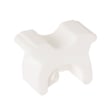
- Drum support and wear items like the Fisher & paykel dryer slide bearing WE03X37317
- Heating components like the Fisher & paykel heater and housing WE11M23
- Safety controls like the Fisher & paykel dryer safety thermostat WE4M160
- Electrical connection parts like the Fisher & paykel terminal block WE4M325
Quick guide: “05” in different contexts
| Where you see “05” | What it usually means | What to do |
|---|---|---|
| Model number (DE05-US1) | Series/version identifier | Use the full model to match parts |
| Error code display | A fault code (varies by dryer) | Troubleshoot the specific code shown |
| Timer/setting label | Cycle time or option label | Follow the control panel labeling |
Why this matters
Dryer parts compatibility is model-specific. Treat “05” as part of the identity of DE05-US1 so you land on the correct diagrams and replacement parts for your Fisher & Paykel dryer.
Last updated: February 2026
Why is my Fisher and Paykel dryer not heating up?
If your Fisher & Paykel DE05-US1 dryer runs but does not heat, the most common causes are a failed heating circuit component (high-limit thermostat, safety thermostat, or heater assembly), restricted airflow, or a power supply issue that prevents the heater from getting full voltage.
Quick checks we recommend first
- Confirm the cycle uses heat (avoid Air Fluff or No Heat).
- Clean the lint screen and make sure the lint housing is not packed.
- Check the vent path for crushing, kinks, or heavy lint buildup.
- Verify strong airflow at the outside vent hood while the dryer runs.
- For electric setups, confirm the dryer is getting full power (a dryer can tumble with only part of the supply).
Parts that commonly cause “no heat” on this model
On DE05-US1, these parts are frequent suspects when the dryer tumbles but produces no heat:
- High-limit thermostat: opens if the heater area overheats (often from poor venting). See Fisher & paykel thermostat WE4M137.
- Safety thermostat: can open and stop heat if unsafe temperatures are detected. See Fisher & paykel dryer safety thermostat WE4M160.
- Heater assembly: if the heater is open or damaged, the dryer will not heat. See Fisher & paykel heater and housing WE11M23.
How we narrow it down (symptom-based)
| What you notice | Most likely direction | What to do next |
|---|---|---|
| Dryer tumbles, no heat, vent airflow weak | Airflow restriction causing overheating and shutdown | Clean venting end-to-end; re-test |
| Heat works briefly, then stops | High-limit or safety thermostat opening | Inspect venting; test thermostats |
| No heat at all, airflow normal | Heater circuit component or power supply | Test heater and thermostats; confirm supply |
Why it matters
A clogged vent can trigger overheating that opens a high-limit or safety thermostat, which stops heat to protect the dryer. Fixing airflow first prevents repeat failures and helps the dryer dry faster with less wear on the motor and drum.
When to replace parts
Replace the failed component after you correct airflow issues. If you find heat damage, brittle wiring, or loose connections at the power entry, inspect and repair those issues before running the dryer again.
For electrical testing steps and safe DIY practices, use how to use a multimeter to test electrical parts video.
Last updated: February 2026





