



What are the cons of a downdraft range?
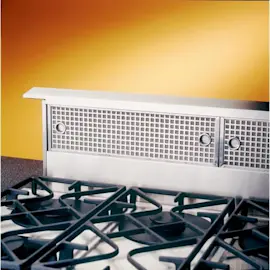
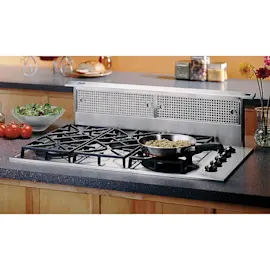
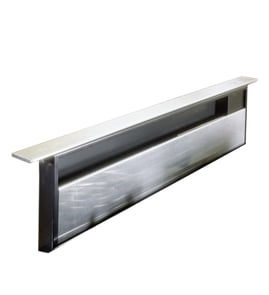
Downdraft ventilation (like the KitchenAid KIRD801VSS1 downdraft vent system) is typically less effective than an overhead range hood at capturing smoke, steam, and grease, especially with high-heat cooking and tall pots. It can also reduce cabinet space and add installation complexity.
- Weaker capture for heavy cooking: Searing, wok cooking, and griddling can overwhelm downdraft airflow.
- Tall cookware blocks airflow: Stockpots and canners can keep steam and smoke from being pulled down.
- More ducting constraints: Long runs, elbows, and tight cabinet routing can reduce performance.
- Lost storage space: The blower and duct path often take up base cabinet room.
- More parts to maintain: Switches, fuses, and lift mechanisms add failure points over time.
| Feature | Downdraft vent system | Overhead range hood |
|---|---|---|
| Smoke/grease capture | Fair for light to moderate cooking | Strong for most cooking styles |
| Tall pot performance | Often reduced | Usually better |
| Cabinet impact | Uses base cabinet space | Uses upper cabinet or wall space |
| Installation | Can be more complex (duct routing) | Often simpler duct path |
If your KIRD801VSS1 seems to vent poorly, these checks often make the biggest difference:
- Clean or replace filters and remove grease buildup.
- Confirm the vent is fully raising and not binding.
- Inspect ducting for crushed sections, excessive elbows, or blockages.
- Verify the fan runs at all speeds and sounds normal.
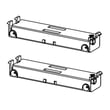
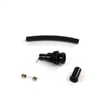
- If the unit is dead or intermittent, check the fuse and controls (for example, the range hood fuse WPW10235651).
Downdraft systems pull air downward against natural heat and smoke rise. That physics tradeoff is why they can struggle during high-heat cooking, and why duct layout and maintenance have an outsized impact on real-world results.
Last updated: February 2026
How much does downdraft ventilation cost?
A downdraft ventilation system like the KitchenAid KIRD801VSS1 typically costs about $900 to $2,000 for the unit itself, with total cost increasing if you need ductwork changes, electrical work, or countertop modifications.
Beyond the downdraft vent unit price, these factors usually drive the final installed cost:
- Venting style: ducted to the outside vs. ductless recirculating (if applicable)
- Ductwork complexity: long runs, tight bends, or new wall or floor penetrations
- Electrical needs: new outlet, dedicated circuit, or switch wiring
- Cabinet and countertop work: cutting, reinforcing, or reconfiguring base cabinets
- Makeup air requirements: sometimes needed in tighter homes with higher CFM ventilation
Most downdraft systems in this range include practical features that affect value and upkeep:
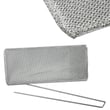
- Removable grease filters for routine cleaning
- Multiple fan speeds (often with a separate control switch)
- Raising and lowering mechanism (motor-driven lift)
- Serviceable electrical protection (such as a fuse)
| Cost item | Typical range | Notes |
|---|---|---|
| Downdraft vent unit | $900 to $2,000 | Price varies by size, finish, and airflow |
| Installation labor | $300 to $1,500+ | Higher when ducting or cabinetry changes are needed |
| Repair parts (if not lifting or powering on) | Varies | Common service items include switches and fuses |
If your KIRD801VSS1 is not powering on or the lift will not move, pricing out a few common parts can help you decide whether to repair:
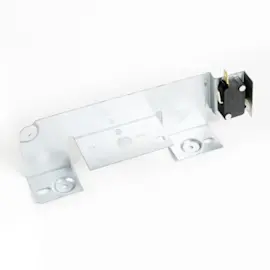
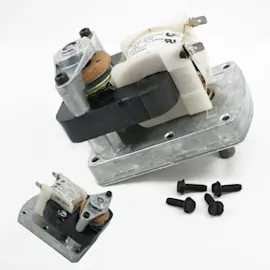
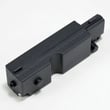
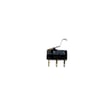
- Downdraft vent gear motor start switch W10235661
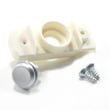
- Downdraft vent up/down switch button W10235663
- Range hood fuse WPW10235651
Downdraft ventilation costs are driven as much by the installation conditions as the appliance itself. Knowing whether you are paying for a simple swap or a ducting and cabinet project helps you set a realistic budget.
Last updated: February 2026
How to clean a KitchenAid downdraft vent?
To clean your KitchenAid downdraft vent system (model KIRD801VSS1), we recommend shutting power off first, then removing the vent grate and filter so you can wash away grease buildup. Regular cleaning keeps airflow strong and helps prevent the vent from sticking or running louder.
- Turn the downdraft vent off; let all nearby surfaces cool.
- Shut off power at the breaker (recommended before reaching into the vent chamber).
- Remove cooktop grates (if they block access), then lift off the vent grate.
- Lift the filter straight up and out.
- Wash the filter in warm water with mild detergent, then rinse and dry completely.
- Reinstall the filter and vent grate; restore power.
| Method | Best for | What to watch for |
|---|---|---|
| Hand-wash | Light to moderate grease | Use non-abrasive sponge; dry fully before reinstalling |
| Dishwasher | Heavier grease buildup | Place securely so it does not warp or bang around |
Grease and debris can interfere with the up/down mechanism, but a no-move vent is often electrical or switch-related.
- Check that the filter and grate are seated correctly (misalignment can bind the vent).
- If the control does nothing, inspect the fuse and replace if blown.
- If the button feels damaged or unresponsive, the switch button may need replacement.
- If the motor hums or stalls, the start switch can be the issue.
Helpful parts for KIRD801VSS1:
- Range hood fuse WPW10235651
- Downdraft vent up/down switch button W10235663
- Downdraft vent gear motor start switch W10235661
A clean filter and vent chamber reduce grease buildup, improve ventilation performance, and help protect electrical parts like the switch and fuse from overheating conditions.
Last updated: February 2026
Do downdraft vents need to be vented outside?
Most downdraft vent systems, including KitchenAid model KIRD801VSS1, are designed to vent cooking air outside through ductwork; that setup removes smoke, heat, moisture, and odors most effectively. Some installations can be configured to recirculate filtered air back into the room, but that depends on the specific kit and how the unit is installed.
- Vented outside (ducted): Air is pulled down and exhausted outdoors through a duct.
- Recirculating (ductless): Air is pulled down, filtered, then returned to the kitchen.
- Performance: Ducted systems typically clear smoke and moisture faster.
- Moisture control: Recirculating setups reduce odors but do not remove humidity as well.
- Installation needs: Ducted requires a duct route; recirculating requires the correct filter and housing setup.
| Setup | Best for | Typical tradeoff |
|---|---|---|
| Vented outside (ducted) | Heavy cooking, frequent frying, moisture control | Requires duct routing and an exterior termination |
| Recirculating (ductless) | Limited ability to run ductwork | Less effective at removing heat and moisture |
- Look under the cooktop for a duct connection leading to a wall, floor, or cabinet chase.
- Check for a return-air path (grille/opening) that would send air back into the room.
- Confirm the vent rises and runs; if it does not, start with the lift and control components.
A downdraft that will not pop up or start can look like a venting problem when it’s actually a control or power issue. For this model, common service parts include the downdraft vent gear motor start switch W10235661 and the range hood fuse WPW10235651.
Choosing ducted vs. recirculating affects how well your downdraft removes smoke and moisture, and it also determines what parts and installation layout you need for reliable performance.
Last updated: February 2026