Get free shipping on your order, with any water filter subscription. Find my filter

Open Hamburger Menu
Sears Parts Direct
Tips to find your model number
Kenmore 11020232711 washer

Kenmore 11020232711 washer Parts

Here are the diagrams and repair parts for Kenmore 11020232711 washer, as well as links to manuals and error code tables, if available.

By Schematic
By Part
SELECT DIAGRAM
?

This is the number corresponding to the part on the diagram / schematic

Browse Parts for 11020232711 Washer

  • Technical Sheet for Kenmore 11020232711 - Part W10740573

    Top and cabinet parts diagram

    Technical Sheet

    Part #W10740573

    The manufacturer no longer makes this part, and there's no substitute part

  • Use And Care Guide for Kenmore 11020232711 - Part W11051521

    Top and cabinet parts diagram

    Use And Care Guide

    Part #W11051521

    The manufacturer no longer makes this part, and there's no substitute part

  • Energy Guide for Kenmore 11020232711 - Part W11051524

    Top and cabinet parts diagram

    Energy Guide

    Part #W11051524

    The manufacturer no longer makes this part, and there's no substitute part

  • Quick Start Guide for Kenmore 11020232711 - Part W11101067

    Top and cabinet parts diagram

    Quick Start Guide

    Part #W11101067

    The manufacturer no longer makes this part, and there's no substitute part

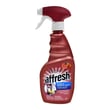
  • Affresh Kitchen And Appliance Cleaner for Kenmore 11020232711 - Part W10355010

    Optional parts (not included) diagram

    Affresh Kitchen And Appliance Cleaner

    Part #W10355010

    The manufacturer no longer makes this part, and there's no substitute part

  • Cnsl Shell A for Kenmore 11020232711 - Part W11047916

    Controls and water inlet parts diagram

    Cnsl Shell A

    Part #W11047916

    The manufacturer no longer makes this part, and there's no substitute part

  • Installation Instructions for Kenmore 11020232711 - Part W10280537

    Top and cabinet parts diagram

    Installation Instructions

    Part #W10280537

    The manufacturer no longer makes this part, and there's no substitute part

Kenmore Washer 11020232711 FAQs

Yes. Your Kenmore top-load washer model 11020232711 uses a drain-pump clean-out style filter that can catch small items and lint in the drain system. We recommend checking it when the washer drains slowly, won’t drain, or you hear coins or debris rattling.

Where the “filter” is on this model

On 11020232711, the filter is part of the drain pump area (not a lint screen at the top of the tub like some older washers). For operating and maintenance basics, see the 11020232711 use & care manual.

How to check and clean it (safe, basic steps)
  • Unplug the washer (or switch off power at the breaker).
  • Turn off both water faucets.
  • Have towels and a shallow pan ready; some water may spill.
  • Access the drain pump area and remove debris from the clean-out.
  • Reinstall the cap/cover securely before running a test cycle.

If the clean-out cap is damaged or won’t seal, the filter component is typically replaced as part of the pump clean-out assembly, such as the washer drain pump clean-out filter WPW10215093.

Symptoms that point to a clogged filter or drain restriction
  • Water drains very slowly or not at all
  • Spin won’t start because the tub won’t empty
  • Gurgling/humming during drain with little water movement
  • Small items (coins, hair pins) missing after a wash
Quick comparison: “filter” types you might hear about
Filter type Common location Typical on 11020232711?
Lint screen Top rim or inside agitator No
Drain pump clean-out At/near drain pump Yes
Inlet screen Inside water inlet valve ports Possible (separate from drain filter)
Why it matters

A clogged drain-pump filter can cause long drain times, wet loads, and repeated drain/spin problems. Keeping the clean-out clear helps protect the drain pump and reduces service calls.

Last updated: January 2026

To identify your Kenmore washer model, find the model/serial tag on the washer cabinet and match the model number exactly (for this unit, it’s 11020232711). Common tag locations include under the lid, behind the control panel, or on the cabinet frame.

Where to look on Kenmore model 11020232711

On this Kenmore top-load washer, the model/serial label is typically found in one of these places:

  • Under the washer lid, around the tub opening
  • On the back of the control panel area
  • On the main cabinet near the bottom edge
  • On the rear panel of the washer

For diagrams and model-specific identification notes, we recommend checking the 11020232711 use & care manual.

What to write down (so you get the right parts)

When you find the tag, record these details:

  • Model number (example: 11020232711)
  • Serial number (unique to your washer)
  • Brand (Kenmore)
  • Any revision digits/letters shown after the model number (if present)
Quick check table
Item What it tells us Why it matters
Model number The exact washer design Ensures parts fit your washer
Serial number Production run details Helps confirm compatible revisions
Type (top-load vs front-load) Where labels are commonly placed Speeds up locating the tag
Why it matters

Kenmore model numbers can look similar, but small differences can change the correct replacement parts (like a lid lock, drain pump, or water inlet valve). Using the exact model number helps us match the correct diagrams and parts list the first time.

Last updated: January 2026

A Kenmore washer typically lasts 10 to 15 years in normal household use. For the Kenmore 11020232711 top-load high-efficiency washer, lifespan is most influenced by how it’s installed, how it’s used, and how closely you follow the care steps in the 11020232711 use & care manual.

What we can confirm for model 11020232711

The manual for this model emphasizes practices that help prevent common performance problems over time:

  • Use High Efficiency (HE) detergent only
  • Run the Clean Washer cycle on a regular schedule
  • Load items loosely (do not tightly pack)
  • Leave the lid open between uses to help the tub dry
  • Inspect and replace inlet hoses periodically
Typical lifespan ranges (what to expect)

These ranges are practical averages across modern washers; heavier use generally shortens service life.

Household usage Typical lifespan What tends to show wear first
Light (1 to 3 loads/week) 12 to 15 years Inlet hoses, lid lock, small seals
Average (4 to 7 loads/week) 10 to 15 years Suspension, drain components, shifting parts
Heavy (multiple loads/day) 7 to 10 years Drive system, suspension, electronic controls
Maintenance that helps this washer reach the upper end
  • Run Clean Washer about monthly or every 30 cycles (the manual calls for this minimum schedule).
  • Use only HE detergent and measure carefully; too much detergent can create excess suds and lead to poor rinsing and operating issues.
  • Load clothing in loose heaps around the basket wall; avoid overloading and tightly packing.
  • Keep the washer level to reduce vibration and off-balance wear (leveling steps are covered in the 11020232711 installation instructions).
  • Replace inlet hoses about every 5 years and check for bulges, kinks, cuts, wear, or leaks.
When a repair may matter most

If the washer won’t drain or leaves loads wet, addressing it early can prevent secondary damage. A common service part in that symptom path is the washer drain pump W10919003.

Why it matters

Knowing the 10 to 15 year average helps you decide whether routine maintenance or a repair is the better value, especially as wear items like hoses, lid locks, and drain components age.

Last updated: January 2026

Most common symptoms to help you fix your washers

Choose a symptom to see related washer repairs.

Main causes: clogged drain hose, house drain clogged, bad drain pump, water-level pressure switch failure, bad control b…

Main causes: broken lid switch or lid lock, bad pressure switch, broken shifter assembly, faulty control system…

Main causes: worn agitator dogs, bad clutch, broken motor coupler, shifter assembly failure, broken door lock, suspensio…

Main causes: water heater failure, bad water temperature switch, faulty control board, bad water valve, faulty water tem…

Main causes: lack of electrical power, wiring failure, bad power cord, electronic control board failure, bad user interf…

Main causes: no water supply, bad water valves, water-level pressure switch failure, control system failure, bad door lo…

Main causes: unbalanced load, loose spanner nut, worn drive block, broken shock absorber or suspension spring, debris in…

Main causes: leaky water inlet valve, faulty water-level pressure switch, bad electronic control board…

Main causes: bad lid switch or door lock, bad timer or electronic control board, wiring failure, bad water inlet valve a…

Repair guides for front-engine lawn tractors

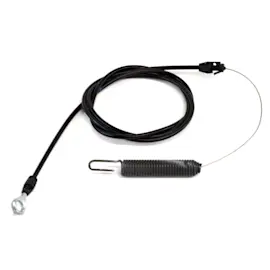
How to replace a blade clutch cable on a riding lawn mower

How to replace a blade clutch cable on a riding lawn mower

If the blades don't spin on your riding mower when you shift the lever, the blade clutch cable could be broken. Here’s h…

Repair time and Difficulty

 30 minutes or less
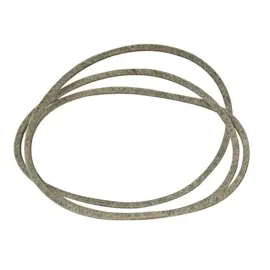
How to replace a ground drive belt on a riding lawn mower

How to replace a ground drive belt on a riding lawn mower

Replace the ground drive belt if it's broken or too worn to spin the transaxle pulley.…

Repair time and Difficulty

 45 minutes or less
How to replace a riding lawn mower blade drive belt

How to replace a riding lawn mower blade drive belt

Replace the blade drive belt if it's broken or won't spin the cutting blades because of wear.…

Repair time and Difficulty

 45 minutes or less

Effective articles & videos to help repair your washers

Use the advice and tips in these articles and videos to get the most out of your washer.

How auto-load sensing washers work (and when they don't)

How auto-load sensing washers work (and when they don't)

Your washer barely fills or seems stuck in sensing mode? Find out how auto-load sensing and Precise Fill features work, …

How to remove the main control board and user interface from a Maytag Epic Z front-load washer

How to remove the main control board and user interface from a Maytag Epic Z front-load washer

Get step-by-step instructions for removing the main electronic control board and the control panel from a Maytage Epic Z…

Using a wiring schematic to trace a current video

Using a wiring schematic to trace a current video

Find out what’s wrong with your appliance by following a circuit.…

Parts & More

Air Handler
Bottom-Mount Refrigerator
Camping
Chipper/Shredder
Dehumidifier
Dryer
Front-Engine Lawn Tractor
Gas Line Trimmer
Gas Walk-Behind Mower
Home
Parts
Side-By-Side Refrigerator
Vacuum Cleaner
Washer
Weight System