 Owner’s manual


What is the capacity of ghw9150pw?
The Whirlpool GHW9150PW0 (Duet front-load) washer is a 3.8 cu. ft. capacity model. Capacity is the usable drum volume, so it helps you estimate how many towels, jeans, or bulky items you can wash per load; see the GHW9150PW0 washer manual for loading guidance.
What “3.8 cu. ft.” means in real use
A 3.8 cu. ft. front-load washer like the GHW9150PW0 is designed to handle larger loads because there’s no center agitator and the drum tumbles clothes through a smaller amount of water.
Typical load examples (varies by fabric and absorbency):
- Mixed everyday load (shirts, pants, underwear)
- Several bath towels in one load
- Bulky items (wash one large bulky item at a time when possible)
- Heavier items like jeans (mix sizes to keep the load balanced)
Tips to avoid overloading (and why it matters)
Overloading can reduce cleaning performance, increase vibration during spin, and contribute to drain issues if items block water flow.
We recommend:
- Load items loosely; do not pack them down
- Mix large and small items to help balance the drum
- If the door is hard to close, reduce the load
- Use HE detergent to limit oversudsing
- If you see drain-related symptoms, inspect the drain path and pump area
Quick reference
| Spec | Whirlpool GHW9150PW0 |
|---|---|
| Washer type | Front-load |
| Capacity | 3.8 cu. ft. |
Why it matters
Knowing the correct capacity helps you choose the right cycle, detergent amount, and load size so you get better cleaning and fewer issues like excessive suds, vibration, or slow draining.
Last updated: January 2026
What is a common problem for a Whirlpool washer front loader?
A common problem we see on Whirlpool front-load washers like model GHW9150PW0 is a drain issue (slow drain or no drain) caused by a clogged pump path or a failing drain pump. Another frequent complaint is leaks around the door seal as the washer ages. For model-specific operating and troubleshooting steps, use the GHW9150PW0 washer manual.
Most common front-load washer issues (and what they look like)
- Drain problems: water left in the drum, long cycle times, or a drain-related code such as F02.
- Door seal leaks: water dripping from the front, musty odor, or visible tears in the boot.
- Oversudsing: “SUD” routine runs, cycle time increases, poor rinsing.
- Vibration or walking: loud banging during spin, especially with bulky loads.
- No fill or slow fill: little or no water entering, possible inlet-related “FH” message.
Parts that commonly solve these symptoms on GHW9150PW0
If troubleshooting points to a failed component, these model-matched parts are commonly involved:
| Symptom | Likely area | Example compatible part for GHW9150PW0 |
|---|---|---|
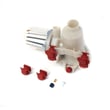
| Won’t drain / F02 | Drain pump system | Water pump 280187 |
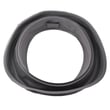
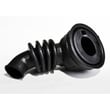
| Leaks at the door | Door seal/boot | Washer door boot WP8182119 |
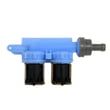
| Won’t fill / FH | Water inlet system | Washer water inlet valve WP8181694 |
Quick checks we recommend before replacing parts
- Confirm you are using HE detergent and reduce the amount if you see “SUD.”
- Make sure the drain hose isn’t kinked and the standpipe height is within typical limits.
- Check the door boot for small items trapped in the fold and for tears.
- Run a Drain/Spin cycle to verify draining and door unlock behavior.
- Rebalance the load (mix large and small items) to reduce vibration.
Why it matters
Front-load washers like the Whirlpool Duet-style GHW9150PW0 rely on tight seals, controlled water levels, and a strong drain system. When any of those areas start to fail, you can get leaks, error codes, or poor performance that often looks worse than the underlying fix.
Last updated: January 2026
What is the average lifespan of a Whirlpool washing machine?
For a Whirlpool washer like model GHW9150PW0, an exact “average lifespan” isn’t something we can confirm from the model-specific information available because Whirlpool doesn’t publish a single service-life number in the use and care documentation. In practice, lifespan varies widely based on use, installation, and maintenance.
What we can confirm for GHW9150PW0
The model’s documentation focuses on safe operation, care, and troubleshooting rather than a set lifespan. It does, however, highlight maintenance items that directly affect long-term reliability.
- Use High Efficiency (HE) detergent for best performance
- Inspect and replace water inlet hoses if you see bulges, kinks, cuts, wear, or leaks
- Replace inlet hoses after 5 years of use to reduce the risk of hose failure
- Keep the washer level to reduce noise and vibration
- Address error codes such as “F02” (drain problem) and “FH” (water inlet problem) promptly
For the full care and troubleshooting guidance, use the GHW9150PW0 use & care manual.
What typically shortens washer life (general guidance)
These are common factors across Whirlpool front-load washers that can lead to earlier failures:
- Chronic overloading (extra stress on suspension, bearings, and drive components)
- Excess suds from too much detergent or non-HE detergent (can contribute to drain issues)
- Poor leveling (increases vibration and wear)
- Ignoring small leaks (can damage nearby components)
- Restricted draining (clogs, kinked hose, or pump issues)
“Repair vs replace” quick check
| Symptom | First checks | Parts that may be involved (if needed) |
|---|---|---|
| Won’t drain or shows F02 | Check drain hose for kinks/clogs; run Drain/Spin | Water pump 280187, washer drain hose WP8181737 |
| Leaks at the door | Inspect for debris or tears at the boot | Washer door boot WP8182119 |
| Won’t fill or shows FH | Verify faucets on; check inlet hose screens | Washer water inlet valve WP8181694 |
Why it matters
If you focus on hose condition, proper detergent use, and quick response to drain or leak symptoms, you can often prevent the kind of damage that ends a washer’s service life early.
Last updated: January 2026





