Error Codes


How do I clear the error code on my Whirlpool dryer?
On a Whirlpool dryer like model LGN2000PW0, most error codes clear by resetting power and then reselecting a cycle. If the code returns right away, treat it as an active fault and troubleshoot the cause (door switch, heat system, airflow, or controls) instead of repeatedly clearing it.
Quick reset steps (most common)
- Turn the dryer OFF.
- Unplug the dryer (or switch the breaker OFF) for 1 minute.
- Restore power.
- Select a cycle and press Start.
- If your model has a Cancel/Stop button, press and hold it for 3 seconds to exit a fault display.
If the code comes back immediately
An error that returns right away usually points to a real problem. Check these common causes first:
- Door not registering closed: test the latch and the dryer door switch WP3406107.
- Restricted airflow: clean the lint screen, inspect the vent hose for kinks, and clear the wall vent.
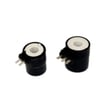
- No heat on gas models: burner ignition issues can involve the dryer valve coil kit 279834, igniter 279311, or dryer radiant sensor WP338906.
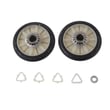
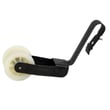
- Drum not turning: a broken belt or seized support parts can trigger faults; inspect the dryer drum belt 341241 and drum support components.
- Control/timer issues: if the dryer runs inconsistently or will not advance, the timer can be involved.
What to do next (fast checks)
| What you notice | Most likely area | What we check first |
|---|---|---|
| Code appears when you press Start | Door/controls | Door closes firmly; door switch clicks |
| Dryer runs but no heat | Gas heat system | Igniter glow, coils, radiant sensor |
| Long dry times | Airflow/venting | Lint screen, vent hose, outside hood |
| Humming, no tumble | Drive system | Belt condition, drum movement by hand |
Why it matters
Clearing the code only resets the display. If the underlying issue is still present, the dryer can stop mid-cycle, overheat from poor airflow, or fail to ignite properly on gas models.
For code definitions and model-family troubleshooting steps, use our Whirlpool duet dryer error codes guide as a starting point, then match symptoms to the parts used on LGN2000PW0.
Last updated: February 2026
What are common LGN2000PW0 problems?
Common Whirlpool LGN2000PW0 dryer problems fall into three buckets: it will not start, it runs but makes unusual noise, or it runs but has no heat or not enough heat. These symptoms usually trace back to a few high-wear parts, airflow restrictions, or a failed gas-heat component.
Most common symptoms and what typically causes them
- Won’t start: door not closing fully, failed door switch, failed timer, or motor issue
- No heat or not enough heat (gas model): failed igniter, weak gas valve coils, failed radiant sensor, or thermostat problem
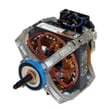
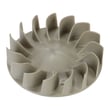
- Noisy: worn drum support components, belt wear, blower wheel damage, or motor pulley wear
- Long dry times: restricted venting, lint buildup, or a damaged blower wheel
Quick checks we recommend first (fast, no parts)
- Clean the lint screen and confirm strong airflow at the outside vent hood.
- Make sure the door closes firmly and the latch engages.
- Try a timed dry cycle to rule out cycle-selection issues.
- For gas heat complaints, confirm the gas supply valve is open and other gas appliances work.
Parts that commonly fix these symptoms on LGN2000PW0
| Symptom | Common part to check | Part example on this model |
|---|---|---|
| Won’t start | Door switch | Dryer door switch WP3406107 |
| No heat | Gas valve coils | Dryer valve coil kit 279834 |
| No heat | Igniter | Igniter 279311 |
| No heat | Radiant sensor | Dryer radiant sensor WP338906 |
| Noisy or drum not turning | Belt and drum support wear | Dryer drum belt 341241 or dryer repair kit 4392065 |
Why it matters
When a dryer will not start, overheats, or takes too long to dry, the root cause is often a safety-related switch, a failing drive component, or poor airflow. Fixing the underlying issue helps protect the motor, improves drying performance, and reduces wear on the drum support system.
Helpful DIY guidance
For step-by-step troubleshooting patterns that match these symptoms, use our DIY resources such as gas dryer wont heat troubleshooting video and dryer takes a long time to dry.
Last updated: February 2026
What is the average lifespan of a whirlpool dryer?
A Whirlpool dryer like model LGN2000PW0 typically lasts about 10 to 13 years with normal household use. Regular vent cleaning and replacing wear items (like a drum belt or support rollers) on time can help you reach the high end of that range.
Typical lifespan ranges (what to expect)
Dryer life depends mostly on load size, venting, and how quickly small wear issues are fixed.
- Average: 10 to 13 years
- Often achievable with good care: 13 to 15 years
- Shorter lifespan is common when: venting is restricted, loads are consistently oversized, or the dryer runs multiple cycles daily
| Usage pattern | What it usually means for lifespan |
|---|---|
| Light (1 to 3 loads/week) | Longer life; less wear on belt, motor, and drum supports |
| Typical (4 to 7 loads/week) | Average life range |
| Heavy (multiple loads/day) | Faster wear; more frequent part replacement |
What shortens a dryer’s life fastest
These issues create extra heat, strain, and run time.
- Clogged lint screen or lint buildup inside the cabinet
- Restricted or crushed vent duct (long dry times, overheating)
- Overloading the drum (belt and motor strain)
- Running with squealing, thumping, or scraping noises (drum support wear)
- Ignoring intermittent heat on gas models (burner system wear)
Maintenance that extends dryer life
We recommend these habits because they reduce run time and prevent overheating.
- Clean the lint screen every load
- Check airflow at the outside vent hood; strong airflow means the vent path is clear
- Clean the full vent run periodically (more often if you dry towels, pet bedding, or have a long vent)
- Keep loads balanced and avoid packing the drum tight
- Use a timed cycle occasionally to prevent repeated auto-cycle restarts on problem loads
Helpful DIY reading
For practical upkeep steps that reduce long dry times and heat stress, use our guide: how to clean and maintain your clothes dryer.
Why it matters
A dryer that takes longer to dry runs hotter and longer, which accelerates wear on key parts like the belt, motor, blower wheel, and thermostats. Fixing airflow and small wear symptoms early is the most cost-effective way to extend the life of your LGN2000PW0.
Last updated: February 2026