Installation guide
 Owner’s manual


What is the most common problem with Maytag dryers?
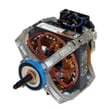
The most common Maytag dryer complaint (including model MGDC300XW3) is the dryer will not start. In many cases, the cause is simple (power, door not fully closed, or airflow safety issues), but it can also involve a failed switch, timer, or motor.
Most common symptoms and what they usually point to
- Won’t start at all: door switch, timer/control, motor, power supply
- Runs but won’t heat (gas dryer): igniter, gas valve coils, radiant sensor, high-limit thermostat
- Takes too long to dry: restricted venting, lint buildup, crushed duct, blower issues
- Noisy or thumping: worn drum rollers, bearing wear, loose blower wheel
- Stops mid-cycle: overheating from poor airflow, thermal cut-off opening
Quick checks we recommend first (MGDC300XW3)
- Confirm the dryer is plugged into a properly grounded outlet and the breaker is on.
- Make sure the door closes firmly; a weak door switch can prevent starting.
- Check airflow: the dryer must be exhausted outdoors and use 4-inch heavy metal venting (no plastic or foil). See the installation guide.
- Clean the lint screen and inspect the vent run for kinks, crushing, or heavy lint.
- If the drum won’t turn, stop using the dryer and inspect the drive system.
Common parts tied to “won’t start” and “won’t heat”
| Symptom | Common part to check | Example part for MGDC300XW3 |
|---|---|---|
| Won’t start | Door switch | Dryer door switch WP3406107 |
| Won’t heat (gas) | Gas valve coils | Dryer valve coil kit 279834 |
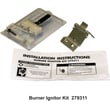
| Won’t heat (gas) | Igniter | Igniter 279311 |
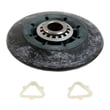
| Noisy drum | Drum support rollers | Dryer drum support roller WPW10314173 |
Why it matters
A “won’t start” or “long dry time” problem is often tied to airflow and safety. Poor venting can cause overheating, shutdowns, and repeated part failures. Following the venting and electrical requirements in the installation guide helps prevent repeat issues.
Last updated: January 2026
How long does a Maytag Bravos dryer last?
A Maytag dryer like model MGDC300XW3 typically lasts 10 to 15 years with normal household use. Consistent vent cleaning, avoiding overloads, and fixing small issues early (noise, weak heat, long dry times) are the biggest factors in reaching the high end of that range.
What affects dryer lifespan the most
- Venting and airflow: Long or kinked vents increase heat stress and can shorten dryer life.
- Load size: Frequent overloading strains the drive motor, drum supports, and belt.
- Heat system health (gas models): Ignition and flame stability affect cycle time and wear.
- Routine cleaning: Lint buildup raises temperatures and reduces performance.
- Early part replacement: Replacing worn wear-items prevents secondary damage.
Quick maintenance checklist (high impact)
- Clean the lint screen every load.
- Inspect the vent path for crushing or kinks; keep the run as straight as possible.
- Use rigid metal venting and limit 90° turns when possible.
- Keep the dryer level so the drum tumbles correctly.
- If drying times increase, address airflow first before replacing parts.
Common wear parts and what they usually cause
| Symptom | Likely wear area | Example part for MGDC300XW3 |
|---|---|---|
| Thumping, squealing, rumbling | Drum support and bearing surfaces | Dryer drum support roller WPW10314173 |
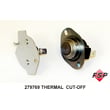
| Runs but no heat or heat cuts out | Gas ignition and safety controls | Igniter, thermal cut-off, high-limit thermostat |
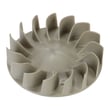
| Long dry times | Venting, blower, lint buildup | Blower wheel, vent system |
Why it matters
A dryer that is forced to run hotter or longer than designed (usually from restricted venting) wears out key components faster and can reduce performance for every cycle. Following the venting and setup guidance in the MGDC300XW3 installation guide helps protect the motor, drum supports, and gas heat system.
Last updated: January 2026
What is the capacity of Maytag MGDC300XW3?
The Maytag MGDC300XW3 29-inch gas dryer has a 7.0 cu. ft. capacity, which is considered a full-size drum for everyday family loads. This capacity helps you dry bulkier items like towels and bedding with fewer cycles when the venting is in good shape.
What 7.0 cu. ft. means in real use
A 7.0 cu. ft. drum is designed for larger, mixed loads, but performance still depends on airflow and load size.
- Dry mixed loads without packing the drum tight; items need room to tumble
- Dry bulky items (comforters, towels) in smaller batches to keep airflow moving
- Clean the lint screen every load to maintain drying speed
- Check the exhaust vent for restrictions if loads start taking longer
Quick capacity comparison
| Dryer size class | Typical capacity range | Best for |
|---|---|---|
| Compact | 3.4 to 4.4 cu. ft. | Small spaces, light loads |
| Standard/full-size | 6.5 to 7.4 cu. ft. | Most households |
| Extra-large | 7.5+ cu. ft. | Large families, frequent bulky loads |
Why it matters
Capacity affects how well clothes tumble and how efficiently moisture is removed. Overloading a 7.0 cu. ft. dryer can increase dry time, raise operating temperature, and contribute to wear on moving parts like drum supports and rollers.
If your MGDC300XW3 is noisy or thumping under heavier loads, inspect common wear items such as the dryer drum support roller WPW10314173 and related drum support hardware. For model-specific use and care guidance, follow the MGDC300XW3 owner’s manual.
Last updated: January 2026