Owner’s manual
 Error Codes


Can I replace a dryer heating element myself?
Yes, on Kenmore electric dryer model 11060622990, many DIYers can replace the heating element if they can safely disconnect power, access the heater housing, and reassemble the dryer correctly. We recommend following the step-by-step procedure and safety warnings in the 11060622990 owner's manual.
Safety first (before you open the cabinet)
Unplug the dryer (or switch off the breaker) before servicing. The manual also stresses basic fire and shock precautions and avoiding repairs unless you understand the procedure.
- Disconnect power before removing any panels
- Work in a dry area; never service the dryer where it can be exposed to water
- Avoid running the dryer with panels removed
- Clean lint from the cabinet and venting while you have it open
- If wiring terminals look overheated or brittle, replace the damaged connectors before reassembly
What you typically replace with the element
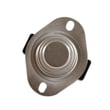
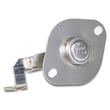
On this model, the heating element itself is a common replacement part. If the dryer overheated or airflow was restricted, it is also common to replace the thermal cut-off components at the same time.
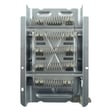
- Heating element: dryer element 279838
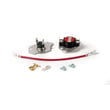
- Overheat protection parts (often replaced as a set): cut-off kit 279816
- If drying is slow, address airflow issues first (lint screen, vent, exhaust hood)
Quick decision guide
| Symptom | Most likely issue | Best next step |
|---|---|---|
| Runs but no heat | Heating circuit problem (element, thermal cut-off, thermostat) | Test element and safety devices; replace failed part(s) |
| Heats but takes too long | Restricted venting or lint buildup | Clean lint screen and exhaust path; confirm strong airflow |
| Burnt smell after repair | Dust/lint on heater or first heat cycle after replacement | Clean cabinet and venting; run a short timed cycle and monitor |
Why it matters
A failed element can stop heat completely, but restricted airflow can also cause overheating that repeatedly blows safety cut-offs. Fixing venting and lint buildup helps the new heater last longer and improves drying performance.
Last updated: February 2026
How do I know if my Kenmore dryer thermal fuse is blown?
On Kenmore electric dryer model 11060622990, a blown thermal fuse commonly shows up as a dryer that will not start or runs but has no heat. The sure way to know is to unplug the dryer and test the fuse with a multimeter for continuity, following the steps in the 11060622990 owner's manual.
Quick symptoms checklist
- Dryer will not start even though the door is closed and the cycle is set
- Dryer tumbles but produces no heat (often caused by a tripped breaker or blown fuse in the home supply)
- Dry times suddenly get much longer (often airflow related, which can overheat the dryer)
- Burning smell or the cabinet feels unusually hot
- Weak airflow at the outside exhaust hood
How we test the thermal fuse (safe, reliable method)
- Unplug the dryer (electric shock risk).
- Access the thermal fuse (location varies by design; use the 11060622990 owner's manual for access guidance).
- Pull the wires off the fuse terminals.
- Set a multimeter to continuity or ohms.
- Touch a probe to each terminal:
- Good fuse: continuity (beep) or near 0 ohms
- Blown fuse: no beep or infinite/open reading
Airflow checks that matter (and why)
A thermal fuse usually blows because the dryer overheats, and restricted venting is the most common reason. The manual’s troubleshooting guidance for poor drying focuses on airflow.
- Clean the lint screen
- Run the dryer 5 to 10 minutes and check airflow at the outside hood
- Inspect the vent for crushing or kinks
- Clean lint buildup from the exhaust duct and hood
| What you observe | What it usually points to | What to do next |
|---|---|---|
| No heat, dryer still runs | Power issue or heat circuit protection opened | Check breaker (electric dryers can run on 120V but not heat) and test fuse/thermostats |
| Weak airflow outside | Vent restriction | Clean/shorten vent run; use rigid or heavy metal venting |
| Dryer won’t start | Safety device open or switch issue | Test thermal fuse, door switch, and start switch |
Why it matters
Replacing a blown fuse without fixing the venting problem often leads to repeat failures, longer dry times, and overheating. Restoring proper airflow protects the heating system and helps clothes dry normally.
Last updated: February 2026
How do I tell what model my Kenmore dryer is?
Your Kenmore dryer’s model number is printed on the model and serial number plate; on model 11060622990, that plate is typically found in the door opening area. Once you have the full model number, we can match the correct parts, wiring, and specifications.
Where to look for the model number plate
Check these common locations on Kenmore electric dryers like 11060622990:
- Inside the dryer door opening (on the cabinet frame)
- On the back panel of the dryer cabinet
- Near the lint screen housing area (depending on the exact console and top design)
- On a metal plate or durable sticker labeled “Model” and “Serial”
How to record it correctly (so parts match)
Write the model number exactly as shown on the plate.
| What to capture | Example | Why it matters |
|---|---|---|
| Model number | 11060622990 | Identifies the correct parts list and diagrams |
| Serial number | (varies) | Helps confirm production details for service |
| Purchase date | (your date) | Useful for maintenance and service history |
Quick tips to avoid common mix-ups
- Use the full number, not just the “110” prefix.
- Don’t rely on the cycle knob labels or console styling; those can look similar across models.
- If the plate is hard to read, take a clear photo and zoom in.
- Use the model number when ordering wear items like a drum belt 341241 or diagnosing heat issues with a dryer element 279838.
Why it matters
Kenmore model numbers determine the exact fit and electrical ratings for parts like the heating element, thermostats, and motor. Using the correct model number prevents ordering the wrong component and helps troubleshooting go faster.
For additional model and serial number guidance and operating details, use the 11060622990 owner's manual.
Last updated: February 2026
What is the PF code on a Kenmore dryer?
PF on a Kenmore dryer means power failure; the dryer detected an interruption in electrical power during the cycle. On Kenmore model 11060622990, press Stop/Clear (or turn the cycle control to Off) and restart the cycle after power is stable; repeated PF codes point to a power supply issue.
What to do when PF appears
- Press Stop/Clear to clear the display (or cancel the cycle).
- Reset the cycle and press Push to Start with the door fully closed.
- Check that the dryer is plugged in firmly and the cord is not loose at the outlet.
- Verify the house breaker is fully reset (flip Off, then On) for the dryer circuit.
- Avoid using extension cords or power strips; plug the dryer directly into the wall outlet.
Quick checks that usually fix repeat PF codes
Power interruptions are often caused by a weak connection or a partial loss of 240V power (one breaker leg tripped).
| What you notice | Most likely cause | What we recommend |
|---|---|---|
| PF happens once during a storm | Utility outage or brief dip | Clear code and restart |
| PF happens when the dryer starts heating | Loose outlet, failing cord, weak breaker | Inspect outlet/cord; have power supply checked |
| Dryer runs but heat is weak or stops | One leg of 240V missing | Check breaker and outlet voltage |
Why it matters
A dryer can tumble with limited power, but the heating system needs a solid 240V supply. If power is unstable, cycles can stop mid-load, drying performance drops, and electrical connections can overheat.
Helpful references for this model
- Use the 11060622990 owner's manual for operating steps and safety guidance.
- If PF is paired with other symptoms, use our Kenmore 110 series electronic control model dryer error codes to narrow down what to check next.
Last updated: February 2026
What size is a Kenmore 90 series dryer?
For the Kenmore electric dryer model 11060622990 (a 29-inch wide design), the overall cabinet size is typically about 29 inches wide, around 43 inches tall, and about 26 to 29 inches deep. For the exact dimensions for your specific 90 Series configuration, use the 11060622990 owner's manual.
Typical dimensions you can plan around
Most Kenmore 90 Series, full-size electric dryers in this platform fit within these common ranges:
- Width: 29 inches (common for this style)
- Height: about 43 inches
- Depth: about 26 to 29 inches (varies with door style and vent clearance)
- Clearance behind dryer: allow space so the vent is not crushed or kinked
Quick fit check before you buy a pedestal or build a closet
Use this checklist to avoid installation surprises:
- Measure the tightest point of the opening (trim, door jambs, baseboards).
- Confirm the dryer can be moved in with the door removed if needed.
- Leave room for the power cord and exhaust duct routing.
- Make sure the dryer can sit level on the floor (adjustable legs).
- Plan access to the lint screen and the ability to clean the vent.
Common size reference table
| Measurement | What it means | Typical for Kenmore 11060622990 style |
|---|---|---|
| Width | Side-to-side cabinet | 29 in |
| Height | Floor to top | ~43 in |
| Depth | Front to back cabinet | ~26 to 29 in |
Why it matters
Correct sizing prevents crushed venting (poor drying and overheating risk), makes leveling easier, and ensures you can service common wear parts like the drum belt 341241 without pulling the dryer out of a tight space.
Last updated: February 2026