 Owner’s manual
 Error Codes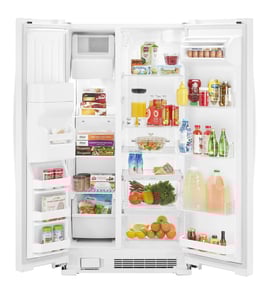


Are GE side by side refrigerators good?
Yes. GE side-by-side refrigerators like model TFX26KPDAWW are a solid, long-lasting design with practical storage, steady temperatures, and convenient ice and water features when maintained. For best results, follow the setup, water line, and care steps in the TFX26KPDAWW owner's manual.
What “good” means for this GE side-by-side
A good side-by-side refrigerator consistently holds safe temperatures, makes ice reliably, and avoids common issues like warm compartments, frost buildup, and water leaks.
Common strengths customers value:
- Spacious, easy-to-organize layout with adjustable shelving
- Convenient in-door ice and water dispenser
- Strong everyday performance when doors seal well and airflow is clear
- Serviceable design with widely available replacement parts
What to watch for (and how to prevent problems)
Most complaints on side-by-sides come down to installation, airflow, and water supply.
Key prevention steps:
- Keep the condenser area and grille clean to support cooling efficiency
- Avoid frequent, long door openings that warm compartments and increase frost
- Make sure doors fully close and packages are not holding them open
- If you have reverse osmosis (RO), use the correct setup to prevent slow flow and hollow ice
- Give the refrigerator time to stabilize after temperature changes (often about 24 hours)
Water and ice performance: quick guidance
If ice is slow, hollow, or the dispenser flow is weak, the water system setup is usually the cause.
| Symptom | Most common cause | Best first check |
|---|---|---|
| Hollow ice cubes | RO system plus fridge filter used together | Use the bypass plug as directed in the manual |
| Slow water at dispenser | Restricted filter or supply issue | Replace filter, confirm supply valve is fully open |
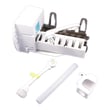
| Icemaker not making ice | Feeler arm off or water not connected | Confirm feeler arm is in ON position and water line is connected |
If your model uses a cartridge-style filter, the Refrigerator filter MWFP is the correct replacement part listed for TFX26KPDAWW.
Why it matters
A side-by-side refrigerator runs best when airflow, door sealing, and water supply are correct. Those basics reduce temperature swings, prevent frost and condensation, and help the icemaker and dispenser work normally.
Last updated: February 2026
How to defrost GE profile side by side?
On the GE side-by-side refrigerator model TFX26KPDAWW, defrosting is automatic; during a normal defrost cycle, cooling can pause for about 30 minutes and then restart on its own. For control locations and care steps, use the TFX26KPDAWW owner's manual.
How defrost works on this GE side-by-side
Most GE side-by-side units use an automatic defrost system that periodically melts frost off the evaporator.
What you may notice during defrost:
- Compressor and fans pause
- Cooling stops briefly (about 30 minutes)
- An orange glow in the freezer area (heater on)
- Water dripping to a drain pan
If you need to clear heavy frost manually (safe steps)
Use this when ice buildup blocks airflow or the freezer is heavily frosted.
- Move food to a cooler; place towels to catch water
- Turn temperature controls to OFF (0) if your control has that setting
- Unplug the refrigerator before working near lights, switches, or controls
- Leave doors open; use a fan to speed melting
- Do not chip ice with sharp tools
- Restart and allow up to 24 hours for temperatures to stabilize
Quick troubleshooting if it seems “stuck” after defrost
| Symptom | Likely cause | What we do |
|---|---|---|
| Not running | In defrost cycle | Wait about 30 minutes |
| Warm compartments | Controls not cold enough | Set one step colder |
| Frost returns fast | Door left open or poor seal | Check door closure and gasket |
Parts that commonly affect defrost
If frost keeps coming back, these parts are often involved:
- Refrigerator defrost heater WR51X10029 (melts frost)
- Refrigerator defrost thermostat WR50X122 (controls heater operation)
- Refrigerator defrost control WR9X489 (times defrost cycles)
Why it matters
Defrost keeps the evaporator from icing over; when frost blocks airflow, the freezer and fresh food sections warm up even if the refrigerator sounds like it is running.
Last updated: February 2026
How to read a GE refrigerator model number?
GE refrigerator model numbers identify the exact design and configuration so we can match the right parts and specifications. For your GE side-by-side refrigerator model TFX26KPDAWW, the most reliable way to interpret the code and confirm features is to compare the model tag information to the TFX26KPDAWW owner's manual.
Where to find the model and serial number
We use the model tag to confirm the exact unit before ordering parts like a water filter, door hinge, or defrost control.
- Look inside the fresh food compartment
- Check near the top area of the compartment
- Write down both the model number and serial number
- Keep the numbers with your purchase records for service and parts lookup
How GE model numbers are typically structured
GE model numbers are a mix of letters and numbers. The exact meaning of each character varies by product line and year, but the pattern below is what we use for practical identification.
| Section | What it usually indicates | Example using TFX26KPDAWW |
|---|---|---|
| Prefix letters | Product family/type | TFX (refrigerator family code) |
| Main digits | Size/capacity class | 26 (capacity class indicator) |
| Suffix letters | Feature/series/finish codes | KPDAWW (configuration and finish codes) |
Why it matters for parts and troubleshooting
A single character difference can change the correct part for the same-looking refrigerator. Matching the full model number helps us select compatible items such as:
- Refrigerator filter MWFP for water and ice filtration
- Refrigerator door hinge WR13X10020 for door alignment and closing
- Refrigerator defrost control WR9X489 for defrost timing and frost control
- Refrigerator defrost thermostat WR50X122 for defrost temperature sensing
Quick tips to avoid common mix-ups
- Use the full model number (all letters and numbers)
- Do not rely on “looks like” matches for GE side-by-side units
- If the tag is hard to read, take a clear photo and copy it exactly
Last updated: February 2026
What is the average life expectancy of a GE refrigerator?
GE refrigerators typically last 12 to 15 years. For the GE TFX26KPDAWW side-by-side, lifespan depends most on sealed-system health (compressor, condenser, evaporator), airflow, and basic upkeep; our best model-specific guidance is to follow the care and troubleshooting steps in the TFX26KPDAWW owner's manual.
Typical lifespan ranges (what to expect)
Most full-size side-by-side refrigerators fall into these practical ranges:
- Average: 12 to 15 years
- Often achievable with good maintenance: 15 to 20 years
- Shortened lifespan is common when: condenser coils stay dirty, doors do not seal, or the unit runs hot due to poor ventilation
| What affects life most | What you can do | Why it helps |
|---|---|---|
| Heat removal (condenser airflow) | Keep airflow open around the cabinet | Reduces compressor run time and stress |
| Door sealing | Keep gaskets clean and doors aligned | Prevents constant running and frost issues |
| Defrost performance | Address heavy frost early | Protects evaporator airflow and cooling |
| Water system upkeep | Replace the filter on schedule | Helps dispenser and icemaker performance |
Maintenance that adds years
We recommend these high-impact steps for a GE side-by-side like model TFX26KPDAWW:
- Vacuum and brush condenser coils regularly (more often with pets).
- Keep door gaskets clean; wipe with mild soap and water, then dry.
- Confirm doors close fully; avoid overloading door bins.
- Maintain proper temperatures (typically 37°F fresh food, 0°F freezer).
- Replace the water filter if equipped; use the correct cartridge such as the refrigerator filter MWFP.
Signs your refrigerator is nearing end-of-life
These symptoms often point to expensive repairs (especially sealed-system issues):
- Warm temperatures even after cleaning coils and verifying airflow
- Loud, frequent compressor cycling or long run times
- Frost buildup that quickly returns after defrosting
- Water leaks tied to recurring icing or blocked drains
- Food spoiling faster despite correct settings
Why it matters
A refrigerator can keep running while slowly losing efficiency. Staying ahead of airflow, sealing, and defrost problems helps the sealed system last longer and keeps energy use and temperature swings under control.
Last updated: February 2026
What is the most common problem with a GE refrigerator?
The most common problem we see with GE refrigerators like model TFX26KPDAWW is a cooling complaint (fresh food or freezer too warm). In many cases, the fix is basic maintenance and airflow: clean the condenser area, confirm doors seal and close fully, and make sure vents are not blocked; then recheck temperatures after 24 hours.
Most common causes (and what to check first)
- Dirty condenser and grille: reduced heat removal can cause warm temps.
- Door left open or held open by packages: warm air leaks in and creates temperature swings.
- Controls set incorrectly: set one step colder if compartments are warm.
- Overstuffed shelves blocking vents: restricts airflow between sections.
- Long run times: often normal after loading groceries or during hot weather.
Quick troubleshooting checklist (TFX26KPDAWW)
- Set controls to a normal mid-range setting; then wait 24 hours for temperatures to stabilize.
- Inspect door closure: remove items that prevent the door from sealing.
- Clean the grille and condenser area (per the TFX26KPDAWW owner's manual).
- Confirm the freezer is not packed tight against air outlets.
- If you also have ice maker issues, verify the feeler arm is in the ON (down) position and the water supply is connected.
Symptom-to-likely-cause guide
| Symptom | Most likely cause | Best first step |
|---|---|---|
| Fresh food or freezer too warm | Dirty condenser, door left open, controls too warm | Clean condenser; check door seal; adjust control 1 step colder |
| Frost on frozen food packages | Door opened too often or left ajar | Reduce door openings; check for obstructions |
| Runs a lot | Hot weather, warm food load, frequent openings | Allow 24 hours; verify condenser is clean |
| Water on floor or bottom of freezer | Freezer drain clogged | Clear/clean drain path per manual |
Why it matters
Cooling problems can lead to food spoilage and extra compressor run time. Simple steps like cleaning the condenser and ensuring good airflow often restore normal temperatures without replacing parts.
Last updated: February 2026
What's the best refrigerator side by side?
The best side-by-side refrigerator is the one that fits your kitchen, holds temperature steadily, and has the features you will actually use. If you already own a GE TFX26KPDAWW, the best choice is keeping it running efficiently with proper setup, cleaning, and the right replacement parts from the TFX26KPDAWW owner's manual.
How we recommend choosing the “best” side-by-side
Focus on performance and ownership costs first, then features.
- Fit and clearances: confirm it will install with proper airflow and door swing
- Temperature stability: consistent fresh food and freezer temps matter more than extra features
- Noise tolerance: modern compressors and fans can sound different, even when normal
- Ice and water needs: icemaker and filtration add convenience but also add maintenance
- Parts support: filters, valves, and defrost parts should be easy to source
Quick checklist for kitchen fit (side-by-side)
Your GE side-by-side installation guidance calls out clearances that are typical for this style.
| Area | Typical clearance guidance | Why it matters |
|---|---|---|
| Sides | 3/8 inch | Airflow and easier install |
| Top | 1 inch | Venting and cabinet clearance |
| Back | 1 inch | Airflow and cord/water line space |
Why “best” often comes down to maintenance
A well-maintained side-by-side usually outperforms a neglected new unit in day-to-day use. For GE side-by-sides like TFX26KPDAWW, these basics make the biggest difference:
- Clean condenser coils at least yearly
- Keep the area under the refrigerator clean for airflow
- Avoid rolling over the power cord or icemaker supply line when moving the unit
- Use the correct water filter or bypass plug if your model is equipped for filtration
Parts that commonly support performance
If you are comparing models because yours is acting up, these are common side-by-side “keep it running” items:
- Water filtration: refrigerator filter MWFP
- Defrost system: refrigerator defrost thermostat WR50X122, refrigerator defrost heater WR51X10029
- Water supply: GE profile refrigerator water inlet valve assembly WR57X10023
Why it matters
Side-by-sides are all about balance: good airflow, correct clearances, and reliable ice and water. When those are right, you get steadier temperatures, fewer frost issues, and better long-term value.
Last updated: February 2026
Why is my GE side by side freezer freezing up?
Frost buildup in the freezer on your GE TFX26KPDAWW is usually caused by warm, moist air getting inside (most often from frequent door openings or a door not sealing fully). It can also happen when airflow is restricted or the defrost system is not clearing frost normally; use the TFX26KPDAWW owner's manual troubleshooting chart to narrow it down.
Quick checks we recommend first
- Make sure the freezer door closes completely and nothing is holding it open (packages, bins, ice bucket).
- Reduce long or frequent door openings; humid air creates frost quickly.
- Confirm the temperature control is not set unnecessarily cold; adjust one step at a time.
- Look for frost patterns: heavy frost on the back wall often points to a defrost or airflow issue.
- Check for water or ice at the bottom of the freezer; a clogged drain can refreeze and add ice buildup.
Most common causes and what to do
| What you notice | Likely cause | What to do next |
|---|---|---|
| Frost on food, especially after lots of use | Door left open or opened too often | Improve door habits; verify nothing blocks the door |
| Door not closing smoothly | Gasket sticking or folding over on hinge side | Apply a thin film of petroleum jelly to the hinge-side gasket area (per manual guidance) |
| Ice buildup plus warmer temps | Airflow blocked by frost or overpacked shelves | Clear vents, reorganize food, allow air circulation |
| Heavy frost on back panel | Defrost system not clearing frost | Plan a defrost-system check (heater, thermostat, control) |
Parts that commonly relate to freezer frost issues
If the freezer repeatedly ices up after you confirm the door is sealing and airflow is clear, these model-matched parts are often involved:
- Refrigerator defrost thermostat WR50X122 (helps control defrost cycling)
- Refrigerator defrost heater WR51X10029 (melts frost off the evaporator)
- Refrigerator defrost control WR9X489 (manages defrost timing)
Why it matters
Excess frost acts like insulation on the evaporator coil, which reduces cooling efficiency, can cause temperature swings, and can lead to fan noise or poor ice production over time.
Last updated: February 2026





