Error Codes



Are GE side by side refrigerators good?
GE side-by-side refrigerators like model TFX22PRXFAA are a solid, long-running design: they typically offer dependable cooling, easy access to both fresh food and freezer sections, and straightforward serviceability when parts wear out. Overall quality comes down to condition, maintenance, and whether key systems (defrost, ice maker, fans) are working correctly.
What “good” usually means for a side-by-side
A side-by-side refrigerator is usually a good fit when you want consistent organization and frequent freezer access.
- Narrower door swing than many French-door models (helpful in tighter kitchens)
- More shelves and bins for separating foods
- Through-the-door ice and water convenience on many units
- More components to maintain if you use the dispenser and ice maker heavily
What to check on a GE TFX22PRXFAA before you decide
If you are evaluating a used unit or troubleshooting performance, these checks tell you a lot about overall quality.
- Temperature stability: fresh food about 37°F, freezer about 0°F
- Defrost performance: no heavy frost buildup on the freezer back wall
- Ice maker operation: steady ice production, no leaking or clumping
- Airflow: strong, steady airflow from vents; no warm spots
- Door sealing: gaskets seal evenly; doors close without bouncing
Common “good vs. needs work” signs
| Area | Good sign | Needs attention |
|---|---|---|
| Cooling | Holds set temps | Warm fridge or soft ice cream |
| Defrost | Little to no frost | Frost blanket, blocked vents |
| Ice/dispenser | Dispenses cleanly | Jams, slow dispense, loud clunks |
| Noise | Low steady hum | Clicking, buzzing, grinding |
Parts that often restore performance
When a GE side-by-side starts acting up, replacing the right wear part often brings it back to reliable operation.
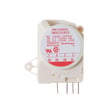
- Defrost issues: refrigerator defrost timer WR9X489, refrigerator defrost bi-metal thermostat WR50X122
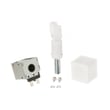
- Ice maker concerns: refrigerator ice maker module housing WR30X10093
- Dispenser door problems (warm air leaks, frost at chute): dr reces asm WR17X11653
Why it matters
A side-by-side can seem “bad” when the real issue is a single failed defrost or dispenser component. Fixing airflow, defrost, or ice maker problems protects food, improves efficiency, and prevents repeat icing and temperature swings.
Last updated: February 2026
How to find GE refrigerator part number?
To find the correct GE refrigerator part number for model TFX22PRXFAA, we match the part to your exact model and the part’s location in the refrigerator (ice maker, dispenser, lighting, defrost, etc.). The fastest method is to identify your model tag, then select the exact replacement from the model’s parts list.
Step 1: Find the model number tag
On most GE side-by-side refrigerators like TFX22PRXFAA, the model and serial tag is typically located in one of these spots:
- Inside the fresh food compartment on a side wall
- Along the ceiling of the fresh food compartment
- On the cabinet frame near the door opening
- On the back of the refrigerator (less common for everyday access)
Step 2: Identify the part you need (by symptom and location)
Use what the refrigerator is doing (or not doing) to narrow the part category:
- No ice production or ice maker won’t cycle: ice maker components
- Ice dispenser won’t dispense or door won’t close: dispenser chute door or solenoid
- Frost buildup or warm temperatures: defrost system parts
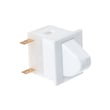
- Interior light out: bulb or light socket
- Clicking, hard starting, or compressor won’t start: start relay or run capacitor
Common part examples for GE TFX22PRXFAA
These are examples of parts available for this model; match by symptom and exact part listing:
| Problem area | Example part name | Part ID |
|---|---|---|
| Ice maker | Refrigerator ice maker module housing | WR30X10093 |
| Dispenser door | Dr reces asm | WR17X11653 |
| Defrost | Refrigerator defrost timer | WR9X489 |
| Lighting | Appliance light bulb, 40-watt | 40A15 |
| Compressor start | Relay ptc | WR07X10055 |
Why it matters
GE often uses similar-looking parts across multiple refrigerator series, but small differences (mounting points, wiring connectors, voltage, or revisions) can make the wrong part not fit or not work. Matching by model TFX22PRXFAA and the exact part listing prevents returns and repeat repairs.
Quick tip for ordering the right part
When you’re ready to replace a part, use the exact part ID from the listing, not just a description like “ice maker” or “defrost timer.” For example, if you’re replacing the ice maker housing, use refrigerator ice maker module housing WR30X10093.
Last updated: February 2026
What is the most common problem with a GE refrigerator?
Cooling problems are the most common issue we see with GE refrigerators, including the GE TFX22PRXFAA; symptoms include warm fresh food, soft ice, or thawing in the freezer. The most frequent causes are restricted airflow from dirty condenser coils, a defrost system problem, or a failing start/cooling component.
Quick checks that fix many “not cooling” complaints
- Confirm the temperature controls were not accidentally changed.
- Make sure vents inside the freezer and fresh food sections are not blocked by food packages.
- Clean dust and pet hair from the condenser coil area (unplug the refrigerator first).
- Verify both doors close fully and seal all the way around.
- Listen for the condenser fan near the compressor; it should run when the compressor runs.
Common causes and what to look for
| What you notice | Likely area | What we recommend first |
|---|---|---|
| Freezer cold, fresh food warm | Airflow/defrost | Check for frost buildup on the freezer back wall; clear vents |
| Heavy frost on freezer panel | Defrost system | Inspect defrost components and wiring; test with a meter |
| Clicking, then no cooling | Start components | Check the start relay and run capacitor |
| Ice dispenser weak or stuck | Dispenser drive | Inspect solenoid and crusher/auger components |
Parts that commonly relate to these symptoms (TFX22PRXFAA)
If troubleshooting points to a failed component, these are examples of parts on this model that often come up in cooling and defrost complaints:
- Refrigerator defrost timer WR9X489 (defrost cycle control)
- Refrigerator defrost bi-metal thermostat WR50X122 (opens/closes based on evaporator temperature)
- Refrigerator defrost heater harness WR51X442 (heater circuit and connections)
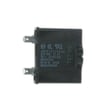
- Relay ptc WR07X10055 and refrigerator run capacitor WR55X24064 (help the compressor start and run)
Why it matters
A refrigerator that is even 5 to 10 degrees too warm can spoil food quickly, and a defrost problem can snowball into blocked airflow and longer compressor run times. Catching the root cause early helps protect the compressor and keeps temperatures stable.
Last updated: February 2026
Why is my GE side by side refrigerator making a loud humming noise?
A loud humming noise in your GE TFX22PRXFAA side-by-side refrigerator usually comes from the compressor area, the condenser fan, or the ice and dispenser system working harder than normal. Cleaning airflow areas and checking the ice maker and dispenser parts typically reduces the hum quickly.
Most common causes (and what to check first)
- Dirty condenser coils: Dust buildup makes the compressor run hotter and louder.
- Condenser fan issue: A failing or obstructed fan can hum, buzz, or drone.
- Ice/dispenser load: A jammed ice bucket, auger, or chute door can cause a loud hum or buzzing.
- Compressor start components: A weak relay or capacitor can make the compressor sound louder at start-up.
- Defrost system cycling: Some humming during defrost cycles is normal, but loud or constant noise points to airflow or a failing component.
Quick troubleshooting steps (10 to 20 minutes)
- Listen for location: Is the hum loudest at the back bottom (compressor/fan) or at the freezer door (dispenser/ice)?
- Clean the condenser area: Unplug the refrigerator; vacuum dust from the coil and fan area behind the toe grille or rear access panel.
- Check the ice bucket and chute: Remove the ice container, clear clumps, and make sure the chute door closes fully.
- Inspect for vibration: Make sure the refrigerator is level and not touching cabinets; vibration can amplify a normal hum.
- If the hum is tied to dispensing ice: Focus on the crusher/auger motor and solenoid components.
Parts that commonly relate to humming on this model
| Where the noise is loudest | What it often indicates | Example part on this model page |
|---|---|---|
| Back bottom of refrigerator | Condenser fan motor or compressor start components | GE refrigerator condenser fan motor WR60X225, relay ptc WR07X10055, refrigerator run capacitor WR55X24064 |
| Freezer door dispenser area | Auger/crusher motor, solenoid, or chute door not sealing | Refrigerator dispenser crusher motor WR60X10262, refrigerator solenoid WR62X23154, dr reces asm WR17X11653 |
Why it matters
A louder-than-usual hum often means the refrigerator is under extra load (restricted airflow, ice jam, or a struggling motor). Fixing the cause helps protect cooling performance and can prevent temperature swings in the freezer and fresh food sections.
Helpful DIY reference
If you plan to test electrical parts safely (relay, capacitor, motors), we recommend using a meter correctly: how to use a multimeter to test electrical parts video.
Last updated: February 2026
What is the capacity of the TFX22PRXFAA?
GE side-by-side refrigerators in the TFX22 series, including model TFX22PRXFAA, are full-size units that typically fall in the about 21 to 22 cu. ft. total capacity class. The exact fresh food and freezer split varies by configuration, but it is commonly around two-thirds refrigerator and one-third freezer.
Typical capacity breakdown for this model class
Use these ranges for planning groceries, bins, and airflow space:
- Total capacity: about 21 to 22 cu. ft.
- Fresh food (refrigerator) section: about 14 to 15 cu. ft.
- Freezer section: about 7 to 8 cu. ft.
- Usable space: slightly less than rated capacity once shelves, bins, and the ice system are installed
Quick reference table
| Compartment | Typical capacity range | Notes |
|---|---|---|
| Fresh food | 14 to 15 cu. ft. | Main grocery storage; shelves and door bins reduce usable volume |
| Freezer | 7 to 8 cu. ft. | Ice bin and auger area reduce usable volume |
| Total | 21 to 22 cu. ft. | Standard full-size TFX22 side-by-side class |
Why it matters
Capacity affects how well the refrigerator maintains temperature. Overpacking can block return vents, reduce airflow, and cause warm spots or frost buildup, especially near the freezer evaporator and air channels.
Parts that can change usable space
If your refrigerator feels smaller than expected because components are not seating correctly, these model-matched parts are common culprits:
- Refrigerator ice container assembly WR17X4310 (ice bin fit and seating)
- Dr reces asm WR17X11653 (ice chute door kit; misalignment can interfere with ice delivery)
- Refrigerator drawer slide rail WR72X241 (drawer alignment and full travel)
Last updated: February 2026