 Installation guide
 Owner’s manual
 Error Codes

What is the average lifespan of a Maytag dishwasher?
A Maytag dishwasher typically lasts 10 to 12 years with normal household use and basic care. For your Maytag MDB7851AWB0, consistent cleaning, correct loading, and avoiding interrupted cycles help reduce wear on key parts like the heater and pump; see the MDB7851AWB0 owner's manual.
What affects dishwasher lifespan most
- Water quality (hard water speeds up mineral buildup)
- How often you run it (daily use wears moving parts faster)
- Cleaning and maintenance habits (filters, spray arms, seals)
- Detergent choice and dosing (too much can leave residue)
- Incoming water temperature (many cycles expect about 120°F for best results)
Maintenance checklist to help it reach 10 to 12 years
- Clean the tub and interior regularly; remove food debris after heavy loads.
- Inspect door sealing surfaces and wipe them dry to prevent leaks.
- Make sure racks are positioned correctly so the door closes fully.
- Run appropriate cycles for soil level; avoid stopping cycles mid-stream.
- If drying performance drops, check heating performance and airflow.
Common “wear” parts and what symptoms look like
| Symptom | Likely area | Example part for MDB7851AWB0 |
|---|---|---|
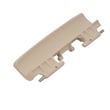
| Door won’t latch or pops open | Door latch/handle | Latch handle (off-white) WPW10130695 |
| Leaks at the door | Door seal | Dishwasher door seal WP99003337 |
| Poor drying or cool water | Heating circuit | Heater element W10283681 |
| Poor wash, weak spray | Circulation system | Dishwasher pump impeller WP99002659 |
Why it matters
Dishwashers usually fail from gradual wear (seals, latches, heating, circulation). Staying ahead of small issues helps prevent leaks, poor cleaning, and repeat cycle interruptions that shorten the service life.
Last updated: February 2026
What should my rough opening be for a dishwasher?
For the Maytag MDB7851AWB0 dishwasher, a standard built-in dishwasher rough opening is typically 24 inches wide, 34 to 36 inches high, and 24 inches deep. Always confirm the exact cutout and hookup clearances in the MDB7851AWB0 installation guide before you modify cabinets or flooring.
Recommended rough opening (typical)
Most 24-inch built-in dishwashers, including Maytag models like MDB7851AWB0, fit an opening in this range:
- Width: 24 inches (plan a snug fit with minimal side-to-side play)
- Height: 34 to 36 inches (adjustable legs help fine-tune)
- Depth: 24 inches (plus room for water line, drain hose, and power)
- Square and level: opening should be plumb so the door seals correctly
What to measure before installation
Use a tape measure and check these points in multiple spots (front and back):
- Opening width at the top, middle, and bottom
- Opening height from finished floor to underside of countertop
- Opening depth to the back wall, noting any pipes or outlets
- Clearance for the door to open fully without hitting trim
- Path for the drain hose to the sink drain or disposer
Quick reference table
| Measurement | Typical target | What can cause problems |
|---|---|---|
| Width | 24 in. | Cabinet sides bowed inward, trim interference |
| Height | 34 to 36 in. | New flooring, low countertop, uneven floor |
| Depth | 24 in. | Back-wall plumbing, shallow cabinets |
Why it matters
A correct rough opening helps the dishwasher sit level, reduces vibration noise, and helps prevent leaks by allowing the door to close and seal evenly. Proper fit also makes it easier to route the drain hose and electrical connection safely.
Last updated: February 2026
What is the most common problem with a Maytag dishwasher?
For the Maytag MDB7851AWB0 dishwasher, the most common issues we see are poor cleaning, not draining, and leaks. These problems are often caused by loading mistakes, a kinked drain hose, or simple maintenance needs; they can also point to a worn door seal or a wash system issue.
Most common symptoms and what usually causes them
- Not draining (water left in the tub): kinked/blocked drain hose, disposer knock-out not removed, food obstruction in the drain path
- Poor cleaning: blocked spray arm holes, heavy soil buildup, incorrect loading, low incoming water temperature
- Leaks: unit not level, excess suds from wrong detergent, worn door seal
- Won’t fill: door not latched, water supply off, kinked inlet hose, sediment at the inlet valve screen
Quick checks we recommend first (fast, no tools)
- Confirm the door latches firmly and the cycle is actually started (START/Cancel).
- Verify the water supply is on and the home breaker or fuse is OK.
- Inspect the drain hose routing for kinks and check for a drain/disposer blockage.
- Make sure incoming hot water is about 120°F (49°C) for best cleaning and normal cycle time.
- Use only dishwasher detergent and measure carefully to prevent suds overflow.
Common problem-to-fix guide
| Problem you notice | Most likely cause | Best first action |
|---|---|---|
| Water in bottom after cycle | Drain restriction or kink | Check hose routing and disposer inlet knock-out |
| Dishes not clean | Spray arm blockage or loading | Clear spray holes; reload so water can reach items |
| Leaking at door | Door seal wear or leveling | Inspect/clean seal; confirm dishwasher is level |
| Cycle takes too long | Water not heating fast enough | Confirm 120°F supply; avoid heavy options when not needed |
When a part is the likely fix
If you’ve ruled out loading, detergent, and hose kinks, these model-matched parts are common solutions:
- Dishwasher door seal WP99003337 (helps stop door-edge leaks)
- Heater element W10283681 (helps with heating and drying performance)
- Dishwasher drain hose WP99002652 (helps if the hose is damaged or permanently kinked)
Why it matters
Drain, wash, and leak problems can cascade into longer cycles, poor drying, odors, and repeat clogs. A few quick checks plus routine care usually restores normal performance and helps prevent repeat failures.
For cycle details, loading guidance, and the full troubleshooting chart for MDB7851AWB0, use the MDB7851AWB0 owner's manual.
Last updated: February 2026
How do you reset the breaker on a dishwasher?
To reset power to your Maytag MDB7851AWB0 dishwasher, reset the home circuit breaker that feeds the dishwasher: switch it fully OFF, wait about 10 seconds, then switch it back ON. If the dishwasher still will not run, start with the checks in the MDB7851AWB0 owner’s manual.
Safe breaker reset steps
- Turn the dishwasher OFF at the control panel.
- Go to your home electrical panel.
- Identify the dishwasher breaker (often labeled “Dishwasher” or “Kitchen”).
- Flip the breaker OFF firmly, then wait about 10 seconds.
- Flip the breaker back ON.
- Try starting a cycle: close the door until it latches, then press START/Cancel (the fill begins after a short pause).
If it trips again right away
A breaker that immediately trips usually points to an electrical fault (wiring, heater circuit, motor, or moisture in a connection). Use these quick checks before scheduling service:
- Make sure the door is latching securely (a loose latch can prevent starting).
- Check for standing water or leaks under the unit.
- If the dishwasher runs but does not heat or dries poorly, inspect the heating circuit; the heater is a common load.
- If the door will not latch consistently, inspect the latch parts such as the dishwasher door latch WPW10275768.
- If you see burning smell, melted insulation, or repeated tripping, leave the breaker OFF and have the circuit inspected.
Troubleshooting checklist (what to check first)
| Symptom | Most likely next check | What to do |
|---|---|---|
| No lights, no response | Breaker or house power | Reset breaker; verify outlet/hardwire power |
| Lights on, will not start | Door not latched or control not started | Latch door; press START/Cancel |
| Starts then stops, trips breaker | High-load component or wiring fault | Keep breaker off; inspect for leaks; service recommended |
| Will not fill | Water supply or start sequence | Confirm water is on; press START/Cancel; check breaker |
Why it matters
A proper breaker reset restores power after a trip and clears many “won’t start” situations. If the breaker keeps tripping, resetting repeatedly can overheat wiring and damage components, so it is safer to stop and address the cause.
Last updated: February 2026
Can I replace dishwasher parts myself?
Yes, many parts on your Maytag MDB7851AWB0 dishwasher are DIY-friendly if you’re comfortable working safely around electricity and water. We recommend using the MDB7851AWB0 owner's manual for model-specific procedures and safety notes, and using the MDB7851AWB0 installation guide when the repair involves mounting, leveling, or reconnecting water and drain lines.
What you can usually replace yourself
These repairs are typically straightforward with basic hand tools:
- Door hardware such as the handle or latch (if the door won’t close or start)
- Wear items like rack rollers and racks (if the rack binds or falls off track)
- Seals and gaskets (if you see minor leaks at the door)
- Hoses that are accessible and clearly routed (if you find a crack or loose clamp)
Repairs that usually require more skill
These jobs often involve electrical testing, tight access, or leak-risk connections:
- Heating and drying components (wiring, terminals, and high-heat seals)
- Pump and motor-area repairs (multiple seals, clamps, and alignment)
- Sensor or control-related troubleshooting (diagnostics and wiring checks)
Quick safety checklist before you start
From a safety and damage-prevention standpoint, we follow these basics:
- Shut off power at the breaker; do not rely on the control panel being “off”.
- Turn off the water supply; check inlet and drain hose connections periodically for leaks.
- Avoid tampering with controls or bypassing door switches.
- Use caution unloading after a cycle; dishes can be very hot.
- Only wash plastics marked “dishwasher safe”.
Common DIY parts for this model (examples)
| Symptom | Likely area | Example model part |
|---|---|---|
| Door won’t latch or start | Door latch/handle | Latch handle (off-white) WPW10130695 |
| Leaks at the door edge | Door seal | Dishwasher door seal WP99003337 |
| Poor drying or no heat | Heater circuit | Heater element W10283681 |
| Rack won’t roll smoothly | Rack wheels/track | Dishwasher dishrack roller WP99003149 |
Why it matters
DIY replacement can save time and restore cleaning and drying performance, but dishwashers combine water, heat, and electricity. Following the correct Maytag procedures helps prevent leaks, repeat failures, and unsafe operation.
Last updated: February 2026








