 Error Codes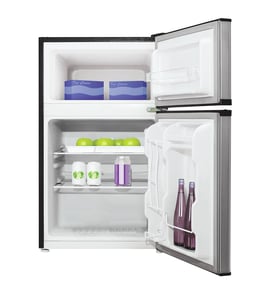

What are the most commonly replaced parts in a refrigerator?
The most commonly replaced refrigerator parts are the door gasket, evaporator fan motor, condenser fan motor, temperature sensor (thermistor), and defrost components (heater and thermostat) because they directly affect cooling, frost control, and energy use. For a Marvel 61RF compact refrigerator, these are the first areas we check when symptoms show up.
Most common parts and what they fix
- Door gasket (door seal): warm air leaks, moisture, frost buildup, long run times
- Evaporator fan motor: weak or uneven cooling, warm fridge section, noisy fan
- Condenser fan motor: poor cooling, hot cabinet sides, compressor running often
- Thermistor / temperature control: temperatures swing, unit runs too long or not enough
- Defrost heater / defrost thermostat: heavy frost on the evaporator, airflow blocked
- Shelves, bins, and door racks: cracks, broken supports, cosmetic damage
Quick symptom-to-part cheat sheet
| Symptom | Most likely part area | What we do first |
|---|---|---|
| Frost wall or ice buildup inside | Defrost system, door gasket | Check gasket seal, then test defrost parts |
| Fridge not cold enough | Evaporator fan, condenser fan, thermistor | Confirm fans run, then verify temperature sensing |
| Loud buzzing or grinding | Fan motor(s) | Identify which fan is noisy and inspect for ice/debris |
| Water or condensation inside | Door gasket, drain path | Check gasket contact and clear any drain restriction |
How to confirm before you buy parts
- Verify the model number on the rating label so you match parts correctly for Marvel 61RF.
- Do a seal check: close the door on a thin sheet of paper; it should drag when you pull.
- Listen for fans: evaporator fan noise is usually inside; condenser fan noise is near the compressor.
- Look for frost patterns: heavy, solid frost usually points to a defrost or door-seal issue.
- Use a meter when needed: continuity and resistance tests help confirm motors, heaters, and sensors.
For safe, accurate electrical testing steps and tool basics, use our how to use a multimeter to test electrical parts video.
Why it matters
Replacing the right “high-failure” part first saves time and prevents repeat issues. A small air leak at the gasket or a weak fan motor can make a compact refrigerator like the Marvel 61RF run constantly, warm up, and waste energy.
Last updated: February 2026
What is the most expensive part to replace on a refrigerator?
On a Marvel 61RF compact refrigerator, the most expensive repair is usually the sealed-system work, most often a compressor replacement. The compressor is labor-intensive to change and typically requires specialized tools; in many cases it costs more than simpler electrical or airflow parts.
What typically costs the most (and why)
These repairs tend to be the highest-cost because they combine expensive components with specialized labor:
- Compressor: the heart of the sealed system; replacement is complex and time-consuming.
- Sealed-system leak repair (refrigerant leak, restriction, drier work): requires sealed-system service and recharging.
- Electronic control board (if equipped): the part can be pricey and misdiagnosis is common.
- Evaporator or condenser replacement: can involve major disassembly and sealed-system service.
Lower-cost parts (common, but usually not the “most expensive”)
On most compact refrigerators, these are more affordable and faster to replace:
- Temperature control (thermostat) or sensor
- Door gasket
- Evaporator fan motor (if equipped)
- Start relay/overload or capacitor (if used)
- Interior light switch or lamp
Quick cost comparison (typical ranges)
Actual totals vary by region and labor rates, but this is the usual pattern:
| Repair type | Typical total cost level | Why it varies |
|---|---|---|
| Compressor / sealed system | Highest | Labor time, sealed-system tools, refrigerant handling |
| Control board | High | Part price, diagnosis time |
| Fan motor / thermostat / gasket | Low to medium | Easier access, less labor |
How we decide whether a big repair is worth it
Checklist
- Confirm the symptom: no cooling, warm fridge, clicking, short cycling, frost pattern issues.
- Rule out basics first: dirty condenser, blocked vents, door not sealing.
- If the compressor runs but cooling is weak, suspect sealed-system issues.
- If the compressor will not start and you hear clicking, suspect start components or compressor.
- Price the repair against the unit’s age and condition.
Why it matters
The “most expensive part” question is really about avoiding misdiagnosis. A compressor or sealed-system repair is a major commitment; checking airflow, cleanliness, and electrical start components first can prevent unnecessary replacement.
For help locating the correct model identification before ordering, use how to find your appliance model number (and what it means for parts).
Last updated: February 2026
Why is my Marvel wine fridge not cooling?
If your Marvel 61RF compact refrigerator has power (lights work) but is not cooling, the most common causes are poor airflow from dirty condenser coils, a failed start relay/overload, a bad thermostat or control, or a sealed-system problem (compressor or refrigerant leak). Start with cleaning and basic electrical checks.
Quick checks we recommend first
- Confirm the temperature control is set colder and not in an “off” position.
- Make sure the door closes tightly; check for gaps, torn gasket, or a door left ajar.
- Clean the condenser coils and make sure the condenser fan (if equipped) can move air.
- Verify the unit has clearance for ventilation (especially for built-in or undercounter installs).
- Listen for the compressor: steady hum is normal; repeated clicking every few minutes points to a start device issue.
What the symptoms usually mean
| Symptom | Most likely cause | What to do next |
|---|---|---|
| Lights on, no cooling, clicking sound | Start relay/overload or compressor not starting | Unplug, let it sit 10 minutes, retry; then test start components with a meter |
| Runs constantly, weak cooling | Dirty coils, poor ventilation, low refrigerant | Clean coils, improve airflow; if still weak, sealed-system service is needed |
| No fan noise, warm cabinet | Failed condenser/evaporator fan (if equipped) or control issue | Check for obstructions; test fan motor and wiring |
| Frost buildup, warm temps | Defrost system issue or door seal leak | Check gasket seal; inspect for blocked vents and heavy ice |
Safe DIY steps (before replacing parts)
- Unplug the wine fridge.
- Vacuum and brush the condenser area; dust buildup can stop heat from leaving the system.
- Restore power and monitor for 15 to 30 minutes.
- If you hear repeated clicking, use a meter to check the start device and compressor windings.
For electrical testing basics, use our guide: how to use a multimeter to test electrical parts video.
Why it matters
A wine fridge that cannot shed heat (dirty coils or blocked airflow) can look like a major failure. Ruling out airflow and start-up problems first prevents unnecessary compressor or sealed-system work.
Last updated: February 2026





