 Error Codes


What is the life expectancy of a Jenn Air refrigerator?
A Jenn-Air refrigerator typically lasts 12 to 18 years, and many units reach around 20 years with good airflow, clean condenser coils, and timely replacement of wear parts. For model JCB2058GEW-PJCB205, lifespan is most affected by cooling-system health and ice maker performance.
Typical lifespan and what changes it
- 12 to 18 years is a realistic expectation for most refrigerators in normal home use.
- 18 to 20 years is common when the sealed system stays healthy and maintenance is consistent.
- Heavy use, hot kitchens, and poor ventilation shorten life.
Parts that most often decide “repair vs replace”
If your refrigerator is cooling poorly, making loud noises, or leaking, these are common decision-point parts:
- Refrigerator compressor W10309990 (sealed-system component; major cooling repair)
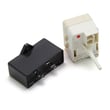
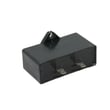
- Refrigerator overload relay W10613606 (starting device; can mimic compressor failure)
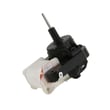
- Refrigerator evaporator fan motor WPW10128551 (moves cold air; failures cause warm sections)
- Refrigerator defrost heater WP67002493 (defrost issues can lead to frost buildup and warm temps)
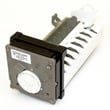
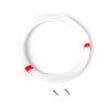
- Refrigerator ice maker D7824706Q (frequent wear item; affects ice production, not basic cooling)
Quick “repair or replace” guide
| Situation | What it usually means | Typical next step |
|---|---|---|
| Not cooling and compressor is running hot | Possible sealed-system issue | Consider professional diagnosis |
| Clicking, won’t start, then tries again | Often relay/starting issue | Check/replace relay |
| Freezer cold but fresh food warm | Airflow problem | Check evaporator fan and frost buildup |
| Heavy frost on freezer back panel | Defrost problem | Check defrost heater and related components |
Why it matters
A refrigerator’s value is in stable temperatures. Fixing airflow or defrost problems early helps protect food, reduces run time, and can extend the life of major components like the compressor.
Last updated: January 2026
What are common problems with Jenn Air refrigerators?
Jenn-Air refrigerators like model JCB2058GEW-PJCB205 most often have cooling problems (freezer cold but fresh-food warm), ice maker issues, water leaks, and unusual noises. These symptoms usually trace back to airflow restrictions, dirty condenser coils, door seal gaps, or a failed fan, valve, or compressor.
Most common symptoms and what they usually mean
- Fridge warm, freezer OK: restricted airflow, evaporator fan problem, or frost buildup on the evaporator
- Not making ice: ice maker failure, water supply issue, or inlet valve problem
- Water leaking: clogged/iced drain, loose water line, or valve seepage
- Loud humming, buzzing, or rattling: condenser area vibration, fan blade contact, or compressor start components
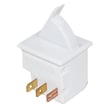
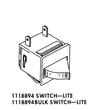
- Lights not working when door opens: door/light switch issue
Quick checks we recommend before replacing parts
- Confirm temperatures: set the refrigerator to about 37°F and freezer to about 0°F, then allow 24 hours to stabilize.
- Check airflow: make sure food packages are not blocking vents in the fresh-food section or freezer.
- Clean condenser coils: dust buildup commonly causes warm temps and longer run times.
- Inspect door gaskets: look for gaps, tears, or areas not sealing flat.
- Listen for fan operation: a failed evaporator fan often causes warm fresh-food temps.
Parts that commonly solve these problems on this model
| Problem | Common part involved | What it does |
|---|---|---|
| No ice or intermittent ice | Refrigerator ice maker D7824706Q | Cycles and harvests ice cubes |
| Fresh-food section warm | Refrigerator evaporator fan motor WPW10128551 | Moves cold air through the compartments |
| Buzzing/clicking, won’t start cooling | Refrigerator overload relay W10613606 | Helps start the compressor |
| Water leak or no water to ice maker | Refrigerator water inlet valve assembly WP12544002 | Controls water flow into the refrigerator |
Why it matters
A “small” issue like dirty coils or a weak door seal can force the compressor to run longer, which leads to temperature swings, poor ice production, and premature wear on major components.
Last updated: January 2026
Do all refrigerators have wheels on the bottom?
No. Many refrigerators (including bottom-mount styles like model JCB2058GEW-PJCB205) use wheels or rear rollers to help you move the cabinet, but some designs use fixed feet or only have rollers on one end. Most units also have adjustable front leveling legs to keep the refrigerator from rolling.
What you’ll typically find underneath
- Rear rollers or wheels: help you pull the refrigerator out for cleaning or service
- Front leveling legs: screw down to stabilize the cabinet and prevent forward movement
- Anti-tip or stabilizing brackets (some installs): reduce the chance of the unit shifting when doors open
- No wheels at all (some models): the refrigerator slides on feet or glides instead
How to tell what your refrigerator has
- Look at the lower front corners for leveling legs (often behind a toe grille).
- Carefully pull the refrigerator forward a few inches; if it rolls easily, it likely has rear rollers/wheels.
- If it drags or feels “stuck,” check that the leveling legs are not turned down too far.
Quick comparison: wheels vs. leveling legs
| Feature | What it does | Common location |
|---|---|---|
| Wheels/rollers | Makes moving the refrigerator easier | Usually rear (sometimes front) |
| Leveling legs | Stabilizes and levels the cabinet | Usually front |
| Fixed feet/glides | Supports weight without rolling | Front and/or rear |
Why it matters
If the refrigerator can roll, it can shift when you open heavy doors or pull out freezer drawers. Properly setting the leveling legs helps keep doors aligned, improves gasket sealing, and reduces vibration noise.
Parts that can be involved if the unit won’t stay put
If you’re diagnosing door alignment, cabinet movement, or related issues, we often see customers also check cooling and airflow components while the refrigerator is pulled out, such as the refrigerator evaporator fan motor WPW10128551.
Last updated: January 2026
Why is my Jenn Air refrigerator leaking water from the bottom?
Water leaking from the bottom of your Jenn-Air JCB2058GEW-PJCB205 bottom-mount refrigerator is usually caused by a clogged defrost drain, a cracked or overflowing drain pan, or a water supply leak feeding the ice maker. Start by checking for ice or debris in the freezer drain area and for wet tubing behind the unit.
Most common causes (and what to look for)
- Defrost drain clogged or frozen: Water from normal defrosting cannot flow to the drain pan, so it spills onto the floor.
- Drain pan shifted or cracked: Water reaches the pan but does not stay contained.
- Ice maker fill leak: A small drip at the rear water line or valve can run down and pool under the refrigerator.
- Door not sealing: Warm air causes excess frost; the next defrost creates more water than the drain can handle.
- Water filter area leak (if equipped): A loose bypass plug or housing area can drip and track to the bottom.
Quick checks we recommend (10 to 20 minutes)
- Pull the refrigerator forward and look for wet spots on the floor directly under the rear tubing.
- Inspect the freezer floor for a sheet of ice or water under the bottom basket (classic defrost drain symptom).
- Check the door gaskets for gaps, tears, or areas that do not grip paper when the door is closed.
- If you have an ice maker, look for dripping at the fill area and consider the condition of the refrigerator ice maker D7824706Q.
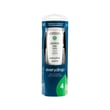
- If the leak seems tied to the filter area, confirm the bypass plug is fully seated; the refrigerator water filter bypass W11395888 is the correct style used for bypassing filtration.
What to do based on where the water is
| Where you see water | Most likely issue | Best next step |
|---|---|---|
| Inside freezer, then onto floor | Defrost drain clogged/frozen | Melt ice, clear drain path, flush with warm water |
| Under front center | Drain pan overflow or cabinet sweating | Verify pan position, clean condenser area, improve door seal |
| Under back right/left | Water line or inlet valve leak | Inspect tubing and fittings; check valve area |
Why it matters
A bottom leak can lead to floor damage and can also signal airflow or defrost problems that raise temperatures. Fixing the drain or water supply leak early helps protect the compressor and keeps ice production and cooling consistent.
Last updated: January 2026





