


How much does a GM096K12B furnace cost?
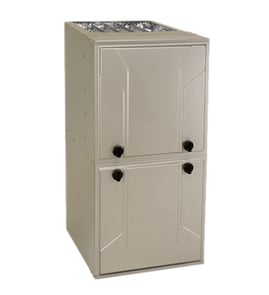
A Thermal Zone GM096K12B gas furnace’s total cost depends on whether you mean the equipment only or the fully installed price. Most 96% AFUE, single-stage style furnaces typically run about $1,500 to $3,500 for the furnace and about $4,000 to $9,000 installed, depending on size, venting, and labor in your area.
What changes the price the most
- Installed vs. equipment-only: labor, permits, and setup often cost as much as the furnace.
- BTU size and efficiency: higher capacity and higher AFUE usually cost more.
- Venting and condensate work: PVC venting changes, drain routing, and a condensate pump add cost.
- Ductwork and airflow fixes: returns, supply sizing, and static pressure issues can require upgrades.
- Electrical and controls: new thermostat wiring, safety switches, or control board troubleshooting.
- Add-ons: media filter cabinet, humidifier, UV, or surge protection.
Typical cost ranges (quick guide)
| What you’re paying for | Typical range | What’s usually included |
|---|---|---|
| Furnace only (equipment) | $1,500 to $3,500 | Furnace cabinet and internal components |
| Basic replacement install | $4,000 to $6,500 | Removal, set-in-place, vent/drain tie-in, startup |
| Complex install | $6,500 to $9,000 | Venting changes, duct/electrical corrections, added accessories |
If you’re pricing a repair instead of replacement
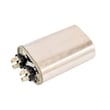
If your GM096K12B is not starting, humming, or the blower is struggling, a failed run capacitor is a common, lower-cost fix compared with replacement. For this model, we list a compatible capacitor 12908.
Common symptoms of a weak/bad capacitor
- Blower motor hums but does not start
- Blower starts slowly or shuts off on overload
- Intermittent airflow, especially on heat cycles
- Burning smell near the blower compartment
- Repeated tripped breaker after a call for heat
Why it matters
Getting the “installed” number right prevents surprise costs. A furnace that is the right size and properly vented runs safer, heats more evenly, and avoids nuisance shutdowns that can look like expensive component failures.
Last updated: February 2026
What is the most common part to fail on a furnace?
On most gas furnaces, including the Thermal Zone GM096K12B, the most common failure item is the hot surface igniter. It heats and cools every call for heat, becomes brittle over time, and when it fails the burners will not light so you get no heat.
What you’ll usually notice when the igniter is failing
- Inducer motor runs, but burners never light
- Furnace tries to start, then shuts down and retries
- Igniter does not glow (or glows weakly)
- Short cycling during heat calls
- Blower may run with no heat after failed ignition attempts
Other common furnace parts that fail
These parts also fail often on gas furnaces and can cause “runs but no heat” symptoms:
| Part | What it does | Common symptom when it fails |
|---|---|---|
| Flame sensor | Proves flame is present | Burners light briefly, then shut off |
| Pressure switch | Confirms inducer draft | Inducer runs but ignition never begins |
| Control board | Manages the ignition sequence | No response, lockouts, erratic operation |
| Run capacitor | Helps a motor start and run (when used) | Humming, slow start, motor will not start |
For this model, one listed electrical part is the capacitor 12908. A failed run capacitor commonly causes motor starting problems on furnaces that use one; match the part by model and diagram before ordering.
Quick checks we recommend before replacing parts
- Turn off power at the breaker before inspecting wiring or components
- Confirm the thermostat is calling for heat (setpoint above room temperature)
- Make sure the furnace door switch is fully engaged
- Inspect igniter and sensor wiring for loose, burned, or broken connectors
- If you test live voltage, use safe meter practices and avoid contact with energized parts
A good skill-builder for electrical troubleshooting is how to use a multimeter to test electrical parts video.
Why it matters
Starting with the most common “first-fail” components (ignition and flame proving) speeds up no-heat diagnosis and helps avoid replacing parts that are not causing the problem.
Last updated: February 2026
Where is the reset button on the thermal zone furnace?
On the Thermal Zone GM096K12B Zone gas furnace, the “reset” is typically a small manual-reset safety switch inside the cabinet, most often in the burner compartment (flame rollout switch) or near the blower and supply-air area (high-limit switch). It is commonly a red or yellow button on the switch body.
Where to look (common GM096K12B locations)
Shut off power at the breaker before removing panels. Then check:
- Burner compartment: on or near the burner box or burner vestibule panel (rollout switches)
- Blower compartment: near the blower housing or supply-air plenum (limit switch area)
- Control area: occasionally near the control board, depending on the layout
What the reset means
A manual-reset switch trips because the furnace detected an unsafe condition such as overheating, flame rollout, or restricted airflow. Resetting may restore heat briefly, but it will trip again until the cause is corrected.
Quick checks before pressing reset
- Replace or clean the air filter; confirm airflow direction
- Open blocked supply registers and return grilles
- Confirm the blower starts and runs smoothly during a heat call
- Inspect wiring at the switch for loose or heat-damaged terminals
- If the blower hums or struggles to start, test the run capacitor
If you need a listed replacement, the capacitor 12908 is a motor run capacitor used on this model.
Symptom guide
| What you notice | What it often points to | What to do next |
|---|---|---|
| Runs briefly, then shuts off | Limit trip from overheating | Check filter, airflow, blower |
| Immediate shutdown after ignition | Rollout trip | Stop resetting; inspect burners and venting |
| Blower starts inconsistently | Capacitor or motor issue | Test capacitor and motor circuit |
Why it matters
These reset switches protect against overheating and flame rollout. Repeated resets without fixing airflow, venting, or blower problems leads to repeated shutdowns and can damage wiring and components.
Last updated: February 2026