Owner’s manual
 Error Codes
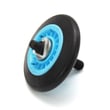


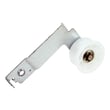

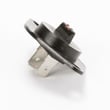
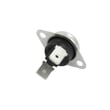
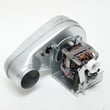
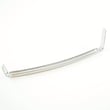
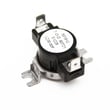
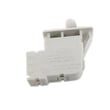
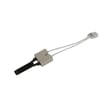
How to find part number for Samsung dryer?
To find the correct part number for your Samsung dryer, we match parts to the exact model number on the appliance ID tag. On Samsung dryers like model DV45K6200GZ, the tag is typically on the front frame behind the door; if it is missing, check the back panel for a secondary label.
Where to look for the model and serial tag
Check these common locations first:
- Front frame behind the dryer door opening (most common)
- Back of the dryer cabinet (secondary label on many units)
- Inside the door area near the lint screen housing (less common)
- Your paperwork: purchase receipt, warranty card, or service invoice
How we recommend choosing the right part
Once you have the model number, use it to confirm fit before ordering. For DV45K6200GZ, also compare the part name and symptoms.
- Write down the full model number and serial number exactly as shown
- Use the model number to filter the parts list for your dryer
- Match the failure symptom to the part category (heat, drum turning, door, controls)
- Confirm the part description before checkout
- Use the diagrams in the DV45K6200GZ manual to identify where the part installs
Common examples of “part number” vs “model number”
| What you have | Example | What it’s used for |
|---|---|---|
| Model number | DV45K6200GZ | Identifies the exact dryer version so parts fit |
| Part number | DC97-16782A | Identifies the replacement part itself |
Why it matters
Samsung dryers often have multiple versions that look similar, but use different components (like a drum belt, thermistor, or door switch). Using the exact model number prevents ordering the wrong replacement part and saves time on returns.
Last updated: February 2026
What is the average lifespan of a Samsung dryer?
A Samsung dryer like model DV45K6200GZ typically lasts 10 to 15 years. Consistent airflow maintenance (lint and vent cleaning), avoiding overloads, and fixing early symptoms such as squealing or overheating help push lifespan toward the high end.
What affects dryer lifespan most
- Vent restriction (long dry times, overheating, repeated thermal cutoffs)
- Overloading (stresses the drum belt, rollers, and motor)
- Heat and sensor issues (cycling problems, poor drying performance)
- Wear parts (belt and rollers are normal wear items)
- Environment (garage humidity, dust, pet hair buildup)
Maintenance checklist we recommend
Use the DV45K6200GZ owner's manual for model-specific care steps and cleaning intervals.
- Clean the lint screen every load
- Inspect and clean the vent duct and outside hood regularly
- Keep loads medium-sized so clothes tumble freely
- Stop using the dryer if you notice burning smells or repeated overheating
- Address new noises early (thumping, squealing, scraping)
Common wear items and what they usually mean
| Symptom | Most common cause | Typical fix |
|---|---|---|
| Squealing or rumbling | Worn drum support rollers | Replace roller(s) and inspect belt |
| Thumping | Flat-spotted roller or drum issue | Inspect drum/rollers |
| Drum not turning | Broken or slipped belt | Replace belt |
| Overheats or shuts off | Airflow restriction or failed thermostat | Clean vent; test safety thermostats |
If you hear squealing or rumbling, the Samsung dryer drum support roller DC97-16782A is a common wear part on this model family.
Why it matters
A dryer usually fails early from heat stress (restricted venting) or mechanical wear (belt and rollers). Keeping airflow strong reduces overheating, protects thermostats, and lowers strain on the drive motor.
Last updated: February 2026
Is it worth replacing a heating element in a Samsung dryer?
Yes; for a Samsung dryer like model DV45K6200GZ, replacing the heating element is usually worth it when the dryer is otherwise in good shape because the part cost is typically far less than replacing the whole dryer. The key is confirming the no-heat problem is not caused by airflow restrictions or a failed thermostat or sensor; use the DV45K6200GZ manual for model-specific checks.
When replacement is the right call
Replacing the heater is a good value when you see these conditions:
- The drum tumbles normally but clothes stay cold or take much longer to dry
- The dryer is under about 10 years old and has no major mechanical noise
- The venting is clear and airflow is strong at the outside vent hood
- You have no repeated overheating symptoms (burning smell, frequent shutdowns)
- A meter test confirms the heater circuit is open (after unplugging power)
What to check first (often cheaper than a heater)
Many “bad heating element” symptoms are caused by safety devices or airflow problems.
- Clean the lint screen and lint housing
- Inspect the entire vent run for kinks, crushed flex duct, or heavy lint buildup
- Check the high-limit and cut-off devices; a failed safety thermostat can stop heat
- Check the temperature sensor circuit; a bad thermistor can cause poor heat control
- If the dryer will not start, check the door switch and power supply first
Common heat-related parts you may need
| Symptom | Common cause | Example part for this model |
|---|---|---|
| No heat, tumbles | Safety device opened | Dryer thermal cut-off thermostat DC47-00016A |
| Overheats or cycles off early | Limit control issue or restricted vent | Dryer high-limit thermostat DC47-00017A |
| Erratic temps, long dry times | Temperature sensing problem | Dryer thermistor DC32-00007A |
Why it matters
Replacing the heating element without fixing restricted airflow can cause repeat failures and overheating. A clean vent system and correct temperature control protect the heater, thermostats, and control board, and they shorten dry times.
Practical cost and effort snapshot
- DIY repair: usually the best value if you can safely access the heater housing and test parts
- Service call: can exceed the cost of several common heat-control parts
- Replace the dryer: makes sense when the unit has multiple major issues (motor noise, drum problems, repeated shutdowns)
Last updated: February 2026