


How to find snowblower model number?
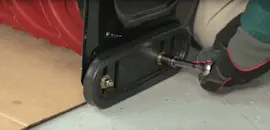
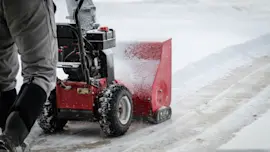
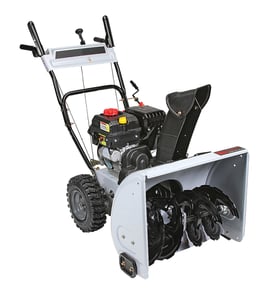
On a Noma dual-stage snow blower like model DP826E585317, the model number is usually on a product ID label or stamped into the metal on the main frame. Common spots include near the engine, on the rear frame between the wheels, or on the auger housing.
Where to look on the machine
Check these areas first (wipe off snow, salt, and grime so the label is readable):
- Frame near the engine (side rail or engine mounting area)
- Rear of the base between the wheels (often easiest to see from behind)
- Auger housing (side panel near the front)
- Handle support or control panel area (less common, but worth a quick look)
- Under a protective cover (some labels are partially shielded)
Model number vs. engine number (why you may need both)
Your snowblower has two identifiers that can matter for parts:
| What you’re identifying | What it’s used for | Where it’s found |
|---|---|---|
| Snowblower model number (example: DP826E585317) | Chassis parts like auger, drive, skid shoes, belts, controls | Frame, rear base, or auger housing |
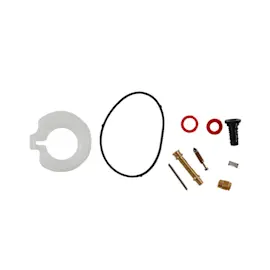
| Engine model/spec numbers | Engine parts like carburetor, ignition, starter, fuel system | On the engine shroud, valve cover area, or recoil housing |
Tips to read the tag correctly
- Use a flashlight and take a photo, then zoom in.
- Copy the model number exactly (letters and numbers in the same order).
- If the label is damaged, look for a stamped number on the frame nearby.
- When ordering parts, match the model number first, then confirm the part fits.
Why it matters
The model number is the fastest way to pull the correct illustrated parts list for your exact Noma snowblower. That prevents ordering look-alike parts that do not match your auger/drive setup or mounting pattern.
If you’re ordering parts, you can shop the parts list for DP826E585317 here, or search by model on Sears PartsDirect.
Last updated: February 2026
What is the typical lifespan of a gas snowblower?
A typical gas snowblower lasts 10 to 20 years when it is maintained regularly (oil changes, fresh fuel practices, and periodic belt and shear pin checks). For the Noma DP826E585317 dual-stage snow blower, consistent off-season storage and timely small repairs usually make the biggest difference.
Typical lifespan ranges (what we see most often)
Most owners fall into one of these buckets:
- 10 to 15 years: common for average use with basic maintenance
- 15 to 20 years: common with consistent maintenance and proper storage
- Under 10 years: usually tied to fuel issues, corrosion from storage, or heavy use without upkeep
| Usage and care level | Typical lifespan | What usually ends it |
|---|---|---|
| Light use, stored dry, maintained | 15 to 20 years | Wear in auger/drive system, rust, carburetor aging |
| Average use, mixed storage habits | 10 to 15 years | Fuel system problems, belts, friction disc wear |
| Heavy use, minimal maintenance | 5 to 10 years | Repeated breakdowns, drivetrain wear, corrosion |
Maintenance that extends life the most
These steps prevent the most common “won’t start” and “won’t drive” problems:
- Change engine oil on schedule and check level during the season
- Use fresh fuel; don’t store old fuel in the tank over the off-season
- Inspect and replace worn drive and auger belts before they fail
- Check shear pins and keep spares on hand
- Keep skid shoes adjusted so the housing does not grind into pavement
- Store the machine clean and dry; touch up chipped paint to slow rust
When replacement makes more sense than repair
A good rule is to compare repair cost to the machine’s value and reliability.
- Multiple major issues at once (drive system plus auger issues plus starting problems)
- Frequent repeat failures in the same season
- Severe rust in structural areas (bucket, frame, chute base)
- Repair estimate approaches about half the snowblower’s current value
Why it matters
A dual-stage snow blower like the Noma DP826E585317 can run for decades, but fuel system neglect and off-season storage problems shorten life quickly. Small preventive fixes usually cost far less than mid-winter downtime.
For parts and diagrams for your model, start with the parts list for DP826E585317, and use Sears PartsDirect to search by model number if you need additional items. If you are servicing the electric start circuit, the screw 33329H listed for this model can be a match for certain Tecumseh starter assemblies.
Last updated: February 2026
How to tell if a snowblower auger belt is bad?
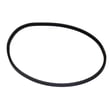
A bad auger belt on your Noma DP826E585317 dual-stage snow blower usually shows up as weak snow throwing or augers that stop under load. Common clues include squealing, a hot rubber smell, or visible belt damage (cracks, fraying, glazing) that causes slipping.
Quick symptoms checklist
- Auger/impeller does not turn when the auger lever is engaged
- Snow throws weakly, then improves briefly and fades again (classic belt slip)
- Squealing or chirping when you engage the auger
- Burning rubber smell after a short run
- Belt looks shiny (glazed), cracked, frayed, or has missing chunks
- Belt feels loose or the auger stalls easily in heavy snow
What to inspect (safe, practical steps)
- Shut the engine off, remove the key (if equipped), and wait for all moving parts to stop.
- Tip the machine only as recommended for snow blowers (keep fuel shutoff off if you have one); avoid spilling fuel.
- Remove the belt cover and inspect the auger belt for wear.
- Check belt tension and engagement: when the auger control is engaged, the belt should be tight enough to drive without slipping.
What “bad” looks like
| What you see | What it usually means | What to do next |
|---|---|---|
| Cracks, fraying, cords showing | Belt is worn out | Replace the belt |
| Shiny/glazed belt | Belt has been slipping and overheating | Replace belt; check idler/tension |
| Belt looks OK but slips in snow | Belt stretched or tension issue | Check idler pulley, spring, cable adjustment |
| Black rubber dust in cover area | Ongoing belt slip | Replace belt; inspect pulleys for binding |
Why it matters
A slipping auger belt reduces throwing distance and can overheat, leaving you with no auger drive when you need it most. Catching belt wear early also helps protect pulleys, idlers, and bearings from extra heat and drag.
Parts and ordering tips
If you’re replacing worn hardware while servicing the belt cover or starter area, match fasteners exactly by size and application. The parts list for DP826E585317 is the best way to confirm what fits, and you can also search by model on Sears PartsDirect. If your diagram calls for it, we list a screw 33329H for this model’s parts selection.
Last updated: February 2026
Should I spray my snowblower with WD-40?
Yes; for your Noma DP826E585317 dual-stage snow blower, a light spray on the chute interior and discharge surfaces can help reduce snow sticking and clogging during use. Keep it off belts, friction drive parts, and hot engine areas so you do not create slipping or fire risk.
Where it helps (and where it causes problems)
Use a light coating only on slick, non-drive surfaces that contact snow.
Good places to spray
- Chute interior and chute rotation ring (light coat)
- Deflector underside
- Auger housing interior (light coat, engine off)
Avoid spraying
- Friction disc and drive plate area (common cause of “won’t move” complaints)
- Belts, pulleys, and idlers
- Engine, muffler, and any hot surfaces
- Electrical connectors and switches (unless you are using an electrical-safe product)
Best practice: quick routine before you blow
- Shut the engine off and let moving parts stop.
- Brush off packed snow and ice first.
- Apply a light, even mist; wipe excess so it does not drip.
- Run the machine briefly to confirm nothing slips or smells hot.
WD-40 vs alternatives
| Option | Stays slick in wet snow | Mess/drip risk | Notes |
|---|---|---|---|
| WD-40 type spray | Medium | Medium | Works for short sessions; reapply as needed. |
| Silicone spray | High | Low | Often lasts longer on chute surfaces. |
| Nonstick cooking spray | Medium | High | Can attract dirt; can drip onto floors. |
Why it matters
Snow sticking in the chute can overload the auger system, reduce throwing distance, and increase clogging. Keeping the chute slick helps performance, but keeping lubricants off the drive system prevents slipping and premature wear.
Parts note for this model
If you are servicing the electric start system or related hardware, match fasteners exactly; the parts list for DP826E585317 includes items like the screw 33329H. You can also search by model number on Sears PartsDirect if you need additional Noma snowblower parts.
Last updated: February 2026
Is it cheaper to repair or replace a snowblower?
It’s usually cheaper to repair a Noma DP826E585317 dual-stage snow blower when the fix is a normal wear item or a small adjustment and the total repair cost stays under about half the price of a comparable new snowblower. Replacement makes more sense when you’re facing repeated breakdowns or major drivetrain or engine work.
A practical cost rule we use
A simple way to decide is to compare the all-in repair cost (parts + labor) to the cost of a similar new machine.
- Repair when the estimate is under ~50% of replacement cost
- Replace when the estimate is over ~50%, especially if more repairs are likely soon
- Lean toward repair if the machine is otherwise solid and you only need one fix
- Lean toward replace if the machine has multiple issues (starting, drive, auger, rust)
What typically pushes the decision either way
Usually worth repairing
- Won’t start due to basic tune-up needs (fuel, spark plug, carb cleaning)
- Worn belts, shear pins, skid shoes, scraper bar
- Minor control cable adjustments
- Single fastener or hardware issue (for example, a missing or stripped screw)
Often better to replace
- Engine has low compression, heavy oil burning, or internal damage
- Transmission or auger gearbox failure
- Frame or housing damage that affects alignment and safety
- You are paying for multiple labor-heavy repairs in the same season
Quick comparison table
| Situation | Typical outcome | Why |
|---|---|---|
| One small issue, machine otherwise reliable | Repair | Lowest total cost and fastest turnaround |
| Major component failure (engine, transmission, gearbox) | Replace | High parts cost plus labor time |
| Frequent repairs season after season | Replace | Costs stack up and reliability drops |
| You can DIY safely with basic tools | Repair | Labor savings can flip the decision |
If you decide to repair
Start by pricing the parts you need for DP826E585317 and comparing that to your repair estimate. If you’re replacing hardware related to the electric starter assembly, match the part exactly; for example, screw 33329H. For broader parts searching by model number, use Sears PartsDirect.
Why it matters
A dual-stage snow blower is only “cheap to fix” when the repair restores reliability. Once you’re paying for repeated labor or major drivetrain work, replacement usually costs less over the next few winters.
Last updated: February 2026