





How many years should a Whirlpool dryer last?
A Whirlpool gas dryer like model LGR8857EQ2 typically lasts 13 years. Consistent airflow maintenance (lint screen and venting), avoiding overloads, and replacing wear items early can help you reach that full service life with fewer breakdowns.
What affects dryer lifespan the most
- Vent restriction (long dry times, overheating, extra wear on thermostats and motor)
- Overloading (stresses the drum support system, belt, and idler)
- Heat system cycling (gas ignition components wear faster when airflow is poor)
- Moisture and lint buildup inside the cabinet (can damage moving parts)
- Delayed repairs (a small squeal or thump can turn into a bigger failure)
Quick maintenance checklist (best ROI)
- Clean the lint screen every load.
- Check outside vent airflow; it should be strong and steady.
- Clean the full vent run periodically (more often with pets or heavy use).
- Stop using the dryer if you smell burning or hear grinding.
- If the drum slips or won’t tumble, inspect the belt and idler system.
Common wear parts that can extend life
| Symptom | Likely wear area | Example part for LGR8857EQ2 |
|---|---|---|
| Drum not turning, squealing | Belt or idler | Drum belt 341241 |
| Runs but no heat, intermittent heat | Gas ignition coils | Dryer valve coil kit 279834 |
| Overheats or shuts off | Temperature control | Dryer operating thermostat WP3387134 |
Why it matters
A dryer that is drying slowly is not just inconvenient; restricted airflow raises operating temperatures, which shortens the life of key components like the drive motor, thermostats, and gas ignition parts.
Last updated: February 2026
Are thermal fuses for dryers universal?
Dryer thermal fuses are not universal. For a Whirlpool gas dryer like model LGR8857EQ2, the fuse must match the exact style, temperature cutoff rating, and electrical rating used on that design; installing the wrong fuse can cause overheating problems or nuisance shutdowns.
What “universal” really means for thermal fuses
Some thermal fuses are used across many Whirlpool-built platforms, so they can feel “universal,” but they still must match the original specifications.
- The mounting and connector style must match (so it fits and wires connect correctly)
- The temperature cutoff must match (the safety trip point)
- The electrical rating must match (typically based on the circuit load)
- The location in the dryer matters (blower housing vs burner area)
- A blown fuse usually signals an airflow or heat problem, not just a bad part
How we recommend choosing the correct fuse for LGR8857EQ2
Use your model number (LGR8857EQ2) to match the exact replacement part used in your dryer’s wiring and heating safety circuit.
| What to match | Why it matters | What happens if it’s wrong |
|---|---|---|
| Temperature cutoff | Prevents unsafe overheating | Dryer may overheat or shut off too soon |
| Fit and terminals | Ensures safe, tight connections | Loose wiring, arcing, intermittent heat |
| Circuit rating | Handles current without failing | Premature fuse failure |
If the thermal fuse keeps blowing
Replacing the fuse without fixing the cause often leads to repeat failures. On gas dryers, the most common root cause is restricted airflow.
- Clean the lint screen and housing
- Check the vent duct for kinks, crushing, or long runs
- Make sure the outside vent hood opens freely
- Inspect the blower area; a damaged wheel can reduce airflow (see dryer blower wheel WP694089)
- If heat is erratic, check burner ignition components (see dryer valve coil kit 279834)
Why it matters
The thermal fuse is a one-time safety device designed to stop the dryer if temperatures get unsafe. Using the correct fuse and restoring proper airflow helps protect the dryer’s motor, thermostat circuit, and gas burner system.
Last updated: February 2026
Where is my dryer part number?
Your Whirlpool gas dryer model LGR8857EQ2 does not have one single “dryer part number.” Each replacement part has its own part number, and you match the correct one by first finding the dryer’s model number on the ID tag, then selecting the exact part from the LGR8857EQ2 parts list.
Where to find the model number on a Whirlpool dryer
Check these common ID tag locations (the tag is usually a sticker or metal plate):
- Inside the door opening on the front panel
- On the door itself (edge or inner surface)
- On the cabinet frame just behind the door
- On the back panel of the dryer
- Near the lint screen housing (less common)
Once you have LGR8857EQ2, you can confidently choose the correct replacement part.
How to find the correct part number for what you need
After you confirm the model number, identify the failed part by symptom and location, then match it to the parts list.
- Find the part by its name (belt, igniter, thermostat, switch)
- Compare the part description to what you see on the dryer
- Replace wear items in sets when it makes sense (belt and idler pulley)
- For heating issues on a gas dryer, focus on ignition and gas valve components
- For noise or poor airflow, focus on drum support and blower components
Common examples for LGR8857EQ2
| Symptom | Likely part to check | Example part on this model |
|---|---|---|
| Drum not turning | Belt or idler pulley | Drum belt 341241, dryer idler pulley WP691366 |
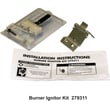
| No heat (gas) | Ignition or valve coils | Igniter 279311, dryer valve coil kit 279834 |
| Runs hot or shuts off | Thermostats | Dryer operating thermostat WP3387134, dryer high-limit thermostat W11050897 |
Why it matters
Using the exact model number (LGR8857EQ2) prevents ordering the wrong Whirlpool dryer parts, reduces downtime, and helps ensure proper fit and safe operation, especially for gas dryer heating components.
Last updated: February 2026
What are the common problems with Whirlpool dryers?
Common problems on a Whirlpool gas dryer like model LGR8857EQ2 include a no-start condition, the drum not tumbling, weak or no heat, long dry times, and unusual noises. Most issues trace back to airflow restrictions, a worn drive system, or burner components that are starting to fail.
Most common symptoms and what they usually mean
- Dryer will not start: door switch not closing, timer/control issue, or motor circuit problem
- Drum not spinning: broken belt, seized drum support, or idler pulley failure
- No heat or heat cuts in and out (gas models): igniter or gas valve coils failing
- Long dry times: clogged lint path, crushed vent, or blower wheel slipping
- Squealing, thumping, scraping: worn drum support/bearing surfaces or belt/idler wear
Parts that commonly fix these problems on LGR8857EQ2
If your symptom matches, these are frequent repair starting points for this model:
| Symptom | Common suspect part | Example part for this model |
|---|---|---|
| Drum not turning | Belt or idler pulley | Drum belt 341241, dryer idler pulley WP691366 |
| No heat / intermittent heat | Ignition components | Igniter 279311, dryer valve coil kit 279834 |
| Overheating or cycling oddly | Thermostats / safety cutoffs | Dryer operating thermostat WP3387134, dryer high-limit thermostat W11050897 |
| Poor airflow / rumbling | Blower wheel or lint chute restriction | Dryer blower wheel WP694089, dryer lint chute assembly W11117429 |
Quick checks we recommend before replacing parts
- Clean the lint screen and confirm strong airflow at the outside vent hood.
- Inspect the vent run for kinks, crushing, or heavy lint buildup.
- Listen during start-up: motor hum with no drum movement often points to a belt/idler issue.
- For heat complaints, watch for ignition: igniter glow with no flame often points to coils.
- Check the door closure: a weak door switch can cause intermittent no-start.
Why it matters
On gas dryers, restricted airflow can cause overheating, shutdowns, and repeated thermostat failures. Fixing venting and lint buildup first helps the dryer heat correctly, dry faster, and reduces repeat repairs.
Related DIY help: gas dryer wont heat troubleshooting video
Last updated: February 2026