Owner’s manual
 Error Codes
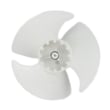


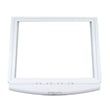

Can I replace fridge parts myself?
Yes. With a GE PSS26NSTASS side-by-side refrigerator, we can usually replace many common parts ourselves (like a light bulb, water filter, or some dispenser components) using basic tools and careful shutoff steps; sealed-system and advanced electrical repairs are best left to a technician.
Good DIY repairs for this model
These are common, practical do-it-yourself replacements and checks:
- Replace interior or dispenser light bulbs (unplug first; use same or lower wattage)
- Replace the refrigerator water filter and flush the system afterward
- Troubleshoot no-ice or dispensing issues caused by a stuck chute or worn dispenser linkage
- Diagnose cooling airflow issues related to a noisy or stalled fan motor
- Address frost buildup symptoms by checking defrost components
For model-specific procedures like removing light shields, replacing bulbs, and door removal steps, use the owner's manual.
Safety steps we follow before replacing parts
- Unplug the refrigerator before opening covers, removing light shields, or handling wiring
- Shut off the house water supply before servicing the filter head, reservoir, or water valve
- Protect floors and stainless panels; use a non-scratching surface when setting doors down
- Label connectors and take photos before disconnecting harnesses
- If a repair requires refrigerant work (sealed system), stop and use a technician
Parts on this page that are commonly DIY-friendly
| Symptom or task | Part that often fixes it | Notes |
|---|---|---|
| Dim or burned-out light | Appliance light bulb, 40-watt 40A15 | Use same size and same or lower wattage per the manual |
| Bad taste/slow water | GE refrigerator water filter MWFP | Replace on schedule; purge air and flush water |
| No water dispensing or no ice fill | Refrigerator water valve WR57X33326 | Also check supply pressure and frozen lines |
| Frost buildup, warm temps | Refrigerator defrost heater WR51X10055 or refrigerator defrost thermostat WR50X10068 | Defrost failures often show as heavy frost on the evaporator |
| Warm fridge/freezer, noisy fan | Refrigerator evaporator motor WR60X10307 | Airflow problems can mimic temperature control issues |
Why it matters
DIY part replacement can restore cooling, ice and water dispensing, and lighting quickly while avoiding unnecessary downtime. Following the unplug and water-shutoff steps helps prevent damage to wiring, harnesses, and water lines.
Last updated: February 2026
How wide is a 25.6 cubic foot refrigerator?
Most 25.6 cu. ft. side-by-side refrigerators are about 36 inches wide. For the GE PSS26NSTASS, the installation dimensions show a 36 inch cabinet width class, and you should also plan for small side clearances for airflow; see the owner's manual for the exact fit guidance.
Typical width and what to plan for
For a 25.6 cu. ft. side-by-side, the common real-world width is:
- Nominal cabinet width: 36 in.
- Actual measured width: usually just under or around 36 in. (varies by model and door/hinge design)
- Door swing space: can require extra room beyond the cabinet width
- Entryway planning: if an opening is less than 38 in., door removal may be needed during moving
Clearances (space around the refrigerator)
Even when the refrigerator itself is a 36-inch class unit, we recommend planning for the clearances listed in the GE installation information:
- Sides: 1/8 in. (4 mm)
- Top: 1 in. (25 mm)
- Back: 1/2 in. (13 mm) to 1 in. (25 mm), depending on configuration
Quick planning table
| What you are measuring | What to use | Why |
|---|---|---|
| Cabinet opening width | 36 in. class | Matches the standard side-by-side footprint |
| Minimum pass-through opening | 38 in. | Helps avoid removing doors during moving |
| Side clearance | 1/8 in. each side | Air circulation and easier installation |
Why it matters
Width is only part of “will it fit.” Side clearances help the GE PSS26NSTASS breathe properly, and extra pass-through width can prevent damage when moving the refrigerator into place.
Last updated: February 2026
Is GE PSS26NSTASS considered high end?
Yes. The GE PSS26NSTASS is generally considered a higher-end (premium) GE side-by-side refrigerator because it is positioned above basic GE models and typically includes upgraded design, features, and performance expectations for its class. For model-specific features and care details, use the owner's manual.
What “high end” means for this GE refrigerator
In the refrigerator world, “high end” usually means you are paying for a stronger feature set and a more refined user experience, not just cold storage.
Common high-end indicators include:
- More precise temperature management and airflow control
- Quieter, more efficient operation (you may still hear normal hums, clicks, and whooshing)
- More convenience features (dispenser, filtration, storage flexibility)
- Higher replacement-part costs for premium assemblies
Quick comparison: where it typically fits
| Tier | What you usually get | Who it’s best for |
|---|---|---|
| Basic | Core cooling, fewer features | Lowest upfront cost |
| Premium (often where PSS26NSTASS fits) | More features, better fit and finish | Feature-focused households |
| Luxury | Pro-style design, specialty features | Design-first, top-tier budgets |
Why it matters when you’re maintaining or repairing it
Premium refrigerators often rely on more sensors, motors, and dispenser components. That means troubleshooting is usually about isolating the system causing the symptom (cooling, defrost, airflow, or water/ice).
If you’re diagnosing performance issues, these parts are commonly involved:
- GE profile refrigerator temperature sensor WR55X10025 (temperature feedback)
- Refrigerator evaporator motor WR60X10307 (freezer airflow)
- Refrigerator defrost heater WR51X10055 (defrost heat)
- Refrigerator defrost thermostat WR50X10068 (defrost temperature control)
- GE refrigerator water filter MWFP (water taste, flow, dispenser performance)
Practical tips to protect performance
- Keep doors closed as much as possible; longer run times can be normal after frequent openings.
- Replace the water filter on schedule to maintain flow and taste.
- If cooling is uneven, listen for the evaporator fan and check for frost buildup patterns.
- If you hear new sounds, compare them to the “normal operating sounds” section in the manual.
Last updated: February 2026
What is the most common problem with a GE refrigerator?
Inadequate cooling is the most common GE refrigerator complaint, and on the GE PSS26NSTASS it is usually tied to restricted airflow (dirty condenser area, blocked vents, or a fan issue) or a defrost problem that lets frost build up and choke the evaporator. Use the PSS26NSTASS owner's manual to confirm control settings and care steps.
Quick checks we recommend first
- Make sure the doors fully close and nothing is holding them open.
- Confirm vents inside the fresh food and freezer sections are not blocked by food packages.
- Clean dust from the condenser area (unplug first).
- Listen for the evaporator fan running in the freezer; no airflow often points to a fan or frost blockage.
- If the unit has an icemaker, confirm the water supply is connected; the manual notes leaving the icemaker on without water can damage the water valve.
Common causes and the parts that often relate
| Symptom | What it usually means | Parts that commonly relate (for PSS26NSTASS) |
|---|---|---|
| Fridge warm, freezer cold | Air is not moving from freezer to fridge | Refrigerator evaporator motor WR60X10307, refrigerator air damper assembly WR60X10063 |
| Both sections warm | Heat not being removed at the condenser, or sealed system issue | Refrigerator condenser fan WR60X10220, (sealed system service may be needed) |
| Frost on back freezer panel, weak airflow | Defrost system not clearing frost | Refrigerator defrost heater WR51X10055, refrigerator defrost thermostat WR50X10068 |
| Temps swing up and down | Sensor feedback problem | GE profile refrigerator temperature sensor WR55X10025 |
Why it matters
Poor cooling makes the compressor run longer, can spoil food, and can lead to secondary issues like slow ice production and temperature swings. Restoring airflow and proper defrost operation is the fastest path back to stable temperatures.
Last updated: February 2026