Owner’s manual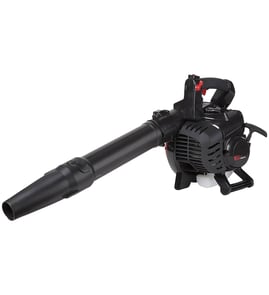






Who makes CRAFTSMAN leaf blowers?
Craftsman is a brand name; Craftsman leaf blowers (including model 358794774) are produced for the Craftsman brand by manufacturing partners, and the brand is owned by Stanley Black & Decker. For model-specific identification details, we recommend checking the 358794774 owner's manual.
The fastest way is to use the product identification label on the blower (often near the engine housing or handle area) and match it to the documentation.
- Look for the data plate with model and serial information
- Check for an engine family or emissions label (common on 2-cycle equipment)
- Compare the label details to the parts list and diagrams in the manual
- If you are ordering parts, match by model number 358794774 first
- Use the part number on the worn part when possible (fuel line, air filter, switch, etc.)
For repairs, correct fit is driven by the model number and the exact part ID, not the name of the factory that assembled the unit.
| What you have | What to match for correct fit | Example for this model |
|---|---|---|
| Craftsman branding | Model number | 358794774 |
| Worn maintenance item | Exact replacement part ID | Leaf blower air filter 545146501 |
| Fuel delivery issue | Fuel line size and routing | Ayp lawn & garden equipment fuel line, large 530069216 |
Many Craftsman outdoor power tools share similar designs across production runs, but small changes in carburetor, fuel line routing, or air intake parts can affect fit. Matching parts to 358794774 helps you avoid returns and restores proper performance.
Last updated: February 2026
How to find CRAFTSMAN leaf blower model number?
For your Craftsman gas leaf blower, the model number is printed on the unit’s ID label; on model 358794774, it appears as 358.794774 in the 358794774 operator’s manual. Write the full number exactly as shown so you can match the correct parts list and diagrams.
Check these common ID-label locations on Craftsman handheld blowers:
- Back of the housing near the handle
- Bottom of the unit near the fuel tank
- Side of the engine cover or starter housing
- Near the vacuum inlet door area (on blower/vac models)
Record the model information exactly as it appears on the label.
- Copy every digit (and any dots or dashes)
- If you see both a model and a serial number, record both
- Use the full model number when searching parts: 358794774
- Keep a photo of the label for future tune-ups (air filter, fuel line, carburetor)
| Where you see it | Example | What it means |
|---|---|---|
| ID label on the blower | 358794774 | The model number used for parts lookup |
| Printed in documentation | 358.794774 | Same model; punctuation may vary |
Parts for 2-cycle blowers are model-specific. Using the exact model number helps ensure you get the right fit for items like the leaf blower air filter 545146501 or the correct fuel system parts.
Last updated: February 2026
How to start a Craftsman gas leaf blower?
To start your Craftsman gas leaf blower model 358794774, mix fresh fuel at 40:1 (3.2 fl oz 2-cycle oil per 1 gallon unleaded gas), move at least 10 feet from the fueling spot, hold the unit in the proper starting position, then follow the cold-start steps in the 358794774 owner's manual.
- Confirm the blower tubes and nozzle are secure before starting.
- Use fresh, properly mixed 40:1 fuel (synthetic 2-cycle air-cooled oil recommended).
- Move 10 feet (3 meters) away from where you fueled.
- Point the blower end away from people, pets, glass, and solid objects.
- Start on a clean, hard surface (not grass, gravel, or loose debris).
Use the cold-start procedure when the engine is cold or if it ran out of fuel. The manual’s sequence typically uses the throttle/cruise control and choke/primer steps (if equipped), then you pull the starter rope until the engine fires and transitions to run.
| Situation | What to do | What you should see |
|---|---|---|
| Cold engine | Follow the cold-start steps in the manual | Engine “pops” or starts briefly, then runs after you set controls to run |
| Warm engine | Use the warm-start steps (less choking) | Faster start with fewer pulls |
| Flooded (strong fuel smell) | Open throttle, reduce choking, pull until it clears | Engine sputters, then smooths out |
- Verify the fuel mix is correct (40:1); wrong mix can cause hard starting and overheating.
- Check airflow: a dirty filter restricts airflow; clean or replace the leaf blower air filter 545146501.
- Inspect the fuel line for cracks or soft spots; replace if leaking or collapsing (see ayp lawn & garden equipment fuel line, large 530069216).
- Make sure the STOP switch is not held in the STOP position.
- If it starts then dies, stale fuel or carburetor issues are common; drain old fuel and retry with fresh mix.
Correct starting steps protect the engine and reduce kickback, flooding, and debris ingestion through the air intake. Using the right 40:1 fuel mix also prevents lubrication problems that shorten engine life.
Last updated: February 2026
What is the life expectancy of a leaf blower?
A typical leaf blower lasts about 10 years with normal homeowner use and routine maintenance. For a gas model like the Craftsman 358794774, lifespan is driven most by fuel care, air filtration, and keeping the intake and tubes clear; neglect in these areas shortens life fast.
- Homeowner gas blower: ~8 to 12 years
- Heavy/weekly use: ~5 to 8 years
- Light/seasonal use with good storage: ~10+ years
| Usage pattern | What wears out first | What extends life most |
|---|---|---|
| Occasional seasonal use | Fuel system (gummed carburetor, cracked lines) | Fresh fuel mix, proper storage |
| Regular weekly use | Air filter, starter parts | Frequent cleaning and filter service |
| Dusty conditions | Air filter and engine wear | Better filtration and intake cleaning |
These steps prevent the most common “won’t start” and “runs rough” failures:
- Use the correct fresh fuel mix and avoid stale fuel sitting in the tank.
- Keep the air intake, blower tubes, and vacuum tubes clear; check them with the engine off and spark plug disconnected (per the safety guidance in the manual).
- Service the air filter regularly; a clogged filter makes the engine run poorly and accelerates wear.
- Replace cracked or hardened fuel lines to prevent air leaks and fuel starvation.
- Avoid forcing the unit into piles when vacuuming; clogs strain the impeller and housing.
Helpful parts for upkeep on this model include the leaf blower air filter 545146501 and the ayp lawn & garden equipment fuel line, large 530069216.
Most “end of life” blowers are actually suffering from preventable fuel and airflow problems. Keeping fuel fresh and airflow unrestricted protects the carburetor, engine, and impeller so your Craftsman blower keeps starting easily and making full power.
For model-specific operating and safety steps (including tube and intake checks), use the Craftsman 358794774 operator's manual.
Last updated: February 2026
Why does my CRAFTSMAN leaf blower keep dying?
Your Craftsman gas leaf blower model 358794774 usually keeps dying because it is not getting a steady fuel and air supply. The most common causes are stale fuel, a restricted fuel filter or fuel line, a dirty air filter, or a carburetor that needs cleaning or adjustment (see the troubleshooting and maintenance sections in the 358794774 owner's manual).
- Drain old fuel and refill with fresh properly mixed 2-cycle fuel (40:1 is typical for many Craftsman blowers).
- Clean or replace the air filter; a clogged filter can choke the engine (see leaf blower air filter 545146501).
- Inspect the fuel lines for cracks, soft spots, or loose connections; replace if leaking or collapsing (see ayp lawn & garden equipment fuel line, large 530069216).
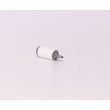
- Replace the fuel filter on its yearly schedule if fuel flow seems weak.
- Check the muffler area for loose screws and heavy carbon buildup (only when fully cool).
- Make sure the start/stop switch is not intermittently cutting spark (see Craftsman, poulan leaf blower start/stop switch kit 545081830).
- Fresh fuel first: Old fuel is the top cause of stalling after startup.
- Air filter next: Run briefly with a known-clean filter installed.
- Fuel delivery: Look for bubbles in the fuel line, wet spots, or a line that pinches when you rev.
- Carburetor: If it idles then dies on throttle, the carburetor passages are likely restricted; cleaning or rebuilding is the next move.
| What you notice | Most likely cause | What we recommend |
|---|---|---|
| Starts, runs 5 to 30 seconds, then quits | Stale fuel or restricted fuel filter/line | Replace fuel, inspect/replace fuel line |
| Runs only with choke partly on | Dirty air filter or carburetor restriction | Clean filter; clean carburetor |
| Dies when you squeeze the throttle | Lean fuel delivery (line/filter/carb) | Check fuel line, then carburetor |
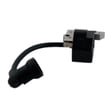
| Random cut-outs | Switch or ignition connection issue | Inspect switch and wiring |
Repeated stalling makes the engine run lean and hot, which accelerates wear on the piston and crank seals. Keeping the air filter clean and using fresh, properly mixed fuel prevents most no-run and stall complaints.
Last updated: February 2026