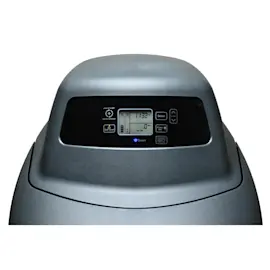
Owner’s manual
 Error Codes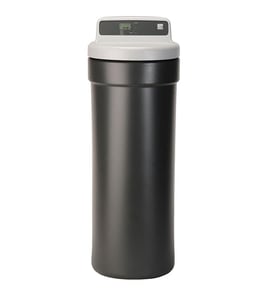




How do I tell what model water softener I have?
For Kenmore water softeners like model 625393760, the model number is printed on the rating decal located on the rim under the salt hole cover. Lift the salt hole cover and read the model and serial number directly from that decal; it is the most reliable identifier.
Where to look on the softener
Check these common label locations first:
- Under the salt hole cover on the rim (rating decal with model and serial)
- Around the control head housing (front, sides, and back)
- Inside the cabinet near the top rim or brinewell area
- On a sticker near the power cord/transformer area
- On paperwork stored near the unit (we recommend keeping it with the softener)
If you have this Kenmore unit, the 625393760 owner's manual also points you to the rating decal location.
What to write down (so you get the right parts)
Record these items exactly as shown:
| Item | Why we need it | Example (from your unit) |
|---|---|---|
| Model number | Matches the correct parts list | 625393760 |
| Serial number | Helps confirm production details | From rating decal |
| Date installed (optional) | Useful for service history | Your install date |
Why it matters
Kenmore water softeners can look similar across series, but internal parts like the valve body, rotor and disc, and seals vary by model. Using the exact model number helps ensure you order the correct repair parts and avoid leaks or regeneration problems.
If the label is missing or unreadable
Use these practical checks to narrow it down:
- Compare your control panel/faceplate layout to the one shown in the manual
- Match the cabinet style and salt hole cover shape
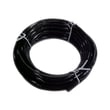
- If you are already servicing the valve, compare common parts used on this model (for example, the Kenmore water softener seal kit 7185487)
Last updated: February 2026
Is it worth repairing a water softener?
Yes, repairing a Kenmore water softener model 625393760 is worth it when the problem is a normal wear item (seal leak, valve drive issue, clogged venturi) and the repair restores reliable soft water for a fraction of replacement cost. Replacement makes sense when the resin bed is exhausted and multiple major components are failing.
Quick decision checklist
- Repair when the unit still regenerates but performance is inconsistent (hard water at times).
- Repair when you have a leak at the valve area that points to seals or the rotor/disc.
- Repair when the motor runs but the valve does not index correctly (cam/gear or position sensing).
- Replace when the resin is fouled and you also have valve wear, repeated leaks, or repeated drive failures.
- Replace when the tank or brine drum is physically damaged or the system has chronic internal bypass.
What we see most often on this model
The 625393760 uses a timed, multi-stage regeneration cycle (fill, brining, brine rinse, backwash, fast rinse). When brine is not pulled correctly, you typically get hard water even though the unit “runs.” The manual also calls out that a clean nozzle and venturi is required for proper brine draw. Use the 625393760 owner's manual to confirm the correct cycle behavior and cleaning steps.
Common repair parts that often pay off
| Symptom | Likely area | Part to consider |
|---|---|---|
| Water leaking at valve | Worn seals | Kenmore water softener seal kit 7185487 |
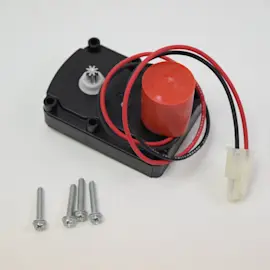
| Clicking/humming, no movement | Drive motor | Kenmore water softener valve motor 7286039 |
| Motor turns but valve won’t advance | Gear train | Water softener cam and gear 7283489 |
Why it matters
A properly working softener protects plumbing and water-using appliances from scale, and it prevents the water heater from refilling with hard water during regeneration hours. If you are seeing hard water during recharge, adjusting the recharge start time and fixing brine draw issues can restore normal performance.
Practical cost rule we use
| If your repair estimate is… | Our recommendation |
|---|---|
| Under 25% of a comparable new softener | Repair |
| 25% to 50% | Repair if the tank and resin are in good shape |
| Over 50% | Replace |
Last updated: February 2026
Is it worth replacing resin in a water softener?
Yes, it’s usually worth replacing the resin in a Kenmore water softener model 625393760 because resin is a normal wear item and restoring the resin bed often brings soft-water performance back without replacing the whole unit. Use the 625393760 owner's manual to confirm the correct service steps and settings after the repair.
When resin replacement makes sense
Resin replacement is a good value when the softener’s valve and controls still run a full regeneration cycle and the tank is not leaking.
- You still have power and the unit can start and finish a recharge
- You’re getting hard water even though salt level is normal
- Salt use has increased and performance has dropped
- The unit has been exposed to iron and the resin bed is fouled
- You’ve already ruled out simple issues like a salt bridge
When a different repair is the better first step
Many “bad resin” complaints are actually brine draw or valve problems. Before buying resin, we check these common causes:
- Clean the nozzle and venturi (a plugged venturi prevents brine draw)
- Check for a salt bridge in the brine tank
- Verify the bypass valve is fully in service position
- If the drive stalls or won’t index, inspect the water softener valve motor 7286039 and the water softener cam and gear 7283489
Quick comparison: resin vs. other common fixes
| Symptom | Most likely cause | Typical fix |
|---|---|---|
| Hard water right after recharge | Brine not being drawn | Clean nozzle/venturi, check seals |
| Unit stuck in a cycle or clicking | Drive not advancing | Motor, cam and gear |
| Softener works but leaks at valve | Worn seals | Seal kit |
| Gradual loss of capacity over years | Resin exhausted/fouled | Replace resin |
Why it matters
The resin bed is where ion exchange happens; once the beads are exhausted or coated with iron/mineral buildup, the softener can regenerate normally and still deliver hard water. The manual also treats resin as an expendable item, so planning for resin replacement is part of long-term ownership.
Last updated: February 2026
What are signs that your water softener is going bad?
If your Kenmore water softener model 625393760 is going bad, you’ll typically notice hard water symptoms returning (spots, scale, soap not lathering) or the unit stops drawing brine during regeneration, which prevents the resin bed from recharging. Confirm basic operation and maintenance steps in the 625393760 owner's manual.
Common signs your softener is failing
- Hard water spots, scale buildup, or soap scum returning on fixtures and dishes
- Shampoo and soap won’t lather well; skin and hair feel “filmy”
- Softener seems to run regenerations but you still get hard water (often a brine draw problem)
- Salt level stays high and never seems to go down (salt not being used)
- Reduced or inconsistent water flow during regeneration or to the drain line
- Brine tank issues such as a salt bridge (a hard crust that leaves an empty space under the salt)
Quick checks we recommend first (before replacing parts)
These checks match the troubleshooting and maintenance guidance in the manual:
- Make sure the softener is not in bypass and is in the service cycle
- Break up any salt bridge and confirm water is contacting the salt
- Clean the nozzle and venturi; a plugged nozzle and venturi can cause hard water because brine cannot move to the resin tank
- Verify the drain hose is not kinked, restricted, or routed too high (back pressure can stop brine draw)
- Run a manual regeneration and watch for a noticeable drop in brinewell liquid level during brining
What the symptoms usually point to
| Symptom you see | Most common cause | What to do next |
|---|---|---|
| Hard water returns | Nozzle/venturi plugged, brine not drawn | Clean nozzle/venturi; check drain routing |
| Salt not going down | Salt bridge or brine draw failure | Break bridge; verify brine draw |
| Leaks at valve area | Worn internal seals | Consider replacing the Kenmore water softener seal kit 7185487 |
| Unit stalls mid-cycle or won’t advance | Drive components not moving | Inspect cam/gear and motor; consider Kenmore water softener valve motor 7286039 |
Why it matters
When the softener can’t draw brine or complete regeneration, the resin bed can’t recharge, so hardness minerals pass through to your plumbing. That leads to scale buildup, reduced cleaning performance, and faster wear on water-using appliances.
Last updated: February 2026
What is the life expectancy of a Kenmore water softener?
A Kenmore water softener like model 625393760 typically lasts 8 to 15 years. With normal water use and routine care, the control and valve can run for years, while the resin bed often becomes less effective around the 10 to 15 year mark.
Typical lifespan by component
| Component | What it does | Typical replacement timing |
|---|---|---|
| Resin media | Removes hardness minerals (and some clear-water iron) | 10 to 15 years |
| Valve seals and rotor parts | Directs water through service and regeneration cycles | 5 to 10 years (often sooner if leaking) |
| Drive motor and gears | Moves the cam/gear during regeneration | 7 to 12 years |
What shortens (or extends) life
- High chlorine levels can age resin faster.
- Iron or sediment can foul the resin and valve passages.
- Frequent regenerations from high water use increase wear on moving parts.
- Poor salt quality and salt bridging can cause repeated regeneration problems.
- Correct setup and periodic cleaning help the softener run longer (see the 625393760 owner's manual).
Signs it is near end of life
- Hard water returns quickly after a regeneration (spots, scale, soap not lathering).
- Noticeable drop in household water pressure.
- Frequent need to manually start regeneration.
- Water leaking at the valve area or bypass connections.
- Repeating drive or position errors, especially if the unit stalls mid-cycle.
Parts that commonly restore performance
If the tank and cabinet are in good shape, replacing wear items often brings the softener back to normal operation:
- Kenmore water softener seal kit 7185487 (common fix for internal valve leaks and bypassing)
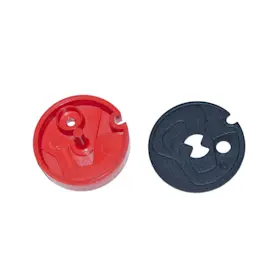
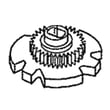
- Waterworks water softener rotor and disc 7185500 (restores proper valve sealing and flow routing)
- Kenmore water softener valve motor 7286039 (fixes a stalled or non-advancing regeneration)
- Water softener cam and gear 7283489 (addresses stripped gears or clicking)
Why it matters
A softener that is past its effective life can waste salt and water, regenerate too often, and still leave hardness behind. Knowing the normal 8 to 15 year range helps you decide whether a repair (seals, motor, rotor) makes sense versus replacing the unit.
Last updated: February 2026