





Are Hydro-Gear transmissions good?
Yes. Hydro-Gear transmissions are widely considered a solid choice for riding mowers and tractors because they deliver smooth, consistent speed control and strong pulling performance when the drive system is maintained and kept leak-free. For the Hydro-Gear T2 drivetrain, condition and correct sealing matter as much as the brand.
What “good” looks like in real use
- Smooth forward and reverse response without surging
- Consistent ground speed under load (hills, thick grass)
- No whining that gets louder as the unit warms up
- No oil seepage around axle or input shaft areas
- Normal operating temperature (not too hot to touch after short use)
Common issues that affect performance (and what to check)
Most complaints trace back to wear, contamination, or leaks rather than the transmission design.
| Symptom | Most common cause | What we check first |
|---|---|---|
| Slips or feels weak | Low oil from a leak | Axle seals and case sealing surfaces |
| Jerky movement | Air in system or worn internal parts | Linkage, fluid condition, and drive belt condition |
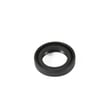
| Oil on wheel/inside rim | Axle seal leak | Husqvarna lawn tractor transaxle wheel axle oil seal 142961 |
| Oil film around case halves | Case sealant failure | Lawn tractor transaxle sealant 178322 |
Parts that often matter during a drivetrain refresh
If you are already opening the unit or chasing a leak, these are common wear or service items for the T2 drivetrain:
- Husqvarna lawn tractor transaxle wheel axle oil seal 142961 (helps stop axle seepage)
- Seal 71554 (often tied to shaft sealing points)
- Input shaft 52462 (wear can contribute to leakage and drive issues)
Why it matters
A hydrostatic transaxle can feel “bad” simply from low oil or a small seal leak. Fixing leaks early protects bearings, bushings, and shafts, and it keeps the mower’s ground speed and hill-climbing performance consistent.
Last updated: February 2026
How much oil is in a hydro gear transaxle?
For a Hydro-Gear transaxle, we set the oil level by measuring down from the top of the housing, not by pouring in a single “one-size” quantity. Typical specs are 1.25 to 2.0 inches down for the 310-0500 series and 1.00 to 1.75 inches down for the 310-0750 series.
How to check the oil level (the reliable way)
Use the fill port and measure from the top edge of the housing straight down to the oil surface.
- Park on a level surface and let the transaxle cool
- Clean around the fill area so dirt cannot fall inside
- Remove the fill plug and use a clean zip tie or small dipstick as a depth gauge
- Measure from the top of the housing to the oil surface
- Adjust oil level slowly; recheck after each small addition
Oil level targets (by transaxle family)
These are common Hydro-Gear service targets used for integrated hydrostatic transaxles:
| Transaxle family | Target oil level from top of housing | Metric equivalent |
|---|---|---|
| 310-0500 (also referenced with 310-0650) | 1.25 to 2.0 in | 31.75 to 50.8 mm |
| 310-0750 | 1.00 to 1.75 in | 25.4 to 44.45 mm |
Parts that often matter when servicing a transaxle
If you are topping off because of seepage or a repair, these parts are commonly involved in leaks and reassembly:
- Lawn tractor transaxle sealant 178322 for resealing case halves or covers
- Husqvarna lawn tractor transaxle wheel axle oil seal 142961 if oil is leaking at an axle
- Seal 71554 if a shaft seal is worn or damaged
Why it matters
Overfilling can cause foaming and heat, and underfilling can starve the pump and bearings. Setting the level by depth keeps the hydrostatic drive consistent and helps prevent premature drivetrain wear.
Last updated: February 2026
Is the drivetrain the transmission?
No. On a Hydro-Gear T2 riding mower and tractor setup, the drivetrain is the whole system that delivers power to the wheels; the transmission (often a transaxle on mowers) is one major part of that system.
Drivetrain vs. transmission (quick breakdown)
- Drivetrain: everything from the engine output to the drive wheels
- Transmission/transaxle: changes speed and torque; often combines gearing and axle drive in one unit
- Axles: carry power out to the wheels
- Seals and bushings: keep oil in and dirt out so the drivetrain can run smoothly
What’s typically included on riding mowers and tractors
| Term | What it means | Common mower example |
|---|---|---|
| Drivetrain | Full drive system | Engine pulley or coupler, hydrostatic unit, axles, wheel hubs |
| Transmission | Speed/torque control unit | Hydrostatic transaxle |
| Final drive | Last stage to wheels | Axle shafts and wheel hubs |
Why it matters
When you’re troubleshooting a “won’t move” or “weak drive” complaint, the fix is not always the transmission. A leaking seal, worn bushing, or damaged input shaft can cause slipping, loss of drive, or contamination that shortens drivetrain life.
Parts we commonly see involved in drivetrain issues
- If the unit is leaking oil at the wheel area, check the husqvarna lawn tractor transaxle wheel axle oil seal 142961.
- If you suspect wear where a shaft rides, inspect bushings such as bushing.outb 52278.
- If the drive input is damaged or stripped, the input shaft 52462 is a common drivetrain-related replacement.
- For sealing a case during service, lawn tractor transaxle sealant 178322 is used to help prevent leaks.
Last updated: February 2026