Owner’s manual
 Error Codes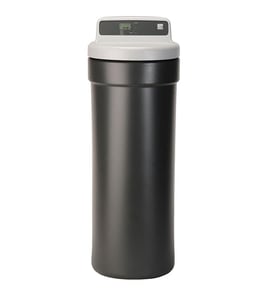


How much does it cost to replace resin beads in a water softener?
For a Kenmore 625388260 water softener, replacing the resin beads typically costs $250 to $900 for parts and supplies (DIY), or $600 to $1,500 with professional service; total cost depends on resin quantity, labor rates, and whether you also replace worn valve seals.
What you’re paying for
Resin beads are the ion-exchange media that remove hardness minerals during “service,” then get cleaned during regeneration (recharge). Over time, resin can foul or lose capacity, which increases salt use and reduces soft water performance (see the 625388260 owner's manual).
Typical cost components:
- Resin media (the main cost)
- Tank cleaning and sanitizing supplies (bleach and flushing)
- Optional valve service parts if you’re already opening the unit
- Labor if you hire a technician
DIY vs pro cost comparison
| Option | Typical total | Best for | Notes |
|---|---|---|---|
| DIY resin replacement | $250 to $900 | Confident DIYers | Lowest cost; most time and cleanup |
| Pro resin replacement | $600 to $1,500 | Most homeowners | Includes labor; faster turnaround |
| Replace the softener | $1,000 to $6,000 | Very old units or multiple failures | Includes new controls, valve, tank, warranty |
When resin replacement makes sense
We usually recommend resin replacement when the softener still runs a normal recharge cycle but you’re getting poor softening results.
Common signs:
- Hard water returns quickly after regeneration
- Salt usage increases noticeably
- Water feels “slippery” only briefly, then turns hard again
- Frequent need to manually start recharges
- Sediment or discoloration after service work (often improves after flushing)
Related parts that are commonly addressed at the same time
If you’re servicing the valve area during a resin job, these model-compatible parts are often involved:
- Kenmore water softener seal kit 7129716 (helps stop internal bypassing and leakage)
- Water softener nozzle and venturi with gasket 7187772 (controls brine draw during brining)
Why it matters
The resin bed is the core of softening performance. If resin is exhausted or fouled, the unit can still “run” and regenerate, but it will not exchange hardness minerals effectively, so you pay more in salt and still get hard water.
Last updated: February 2026
Is it worth repairing a water softener?
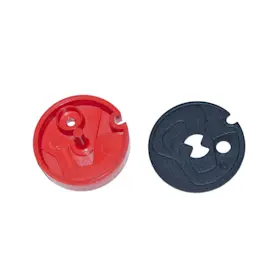
Yes, repairing a Kenmore 625388260 water softener is worth it when the problem is isolated to common service parts (valve motor, seals, venturi, rotor and disc) and the unit is not leaking from the tank or salt storage drum. If repair cost approaches half the price of a comparable replacement, replacement is the better value.
Quick decision checklist
- Repair when the softener still regenerates normally (or the issue is clearly mechanical/electrical in the valve head).
- Repair when you have symptoms like error codes, stuck regeneration, or no soft water that trace to serviceable parts.
- Repair when the leak is from the valve area (seals, venturi, fittings), not the tank or drum.
- Replace when the resin tank or salt storage drum is leaking.
- Replace when multiple major components are failing at once (motor plus rotor/disc plus seals) and performance is still poor.
Common repairs that usually make sense on model 625388260
These are typical “high-impact” fixes that restore soft water and proper regeneration:
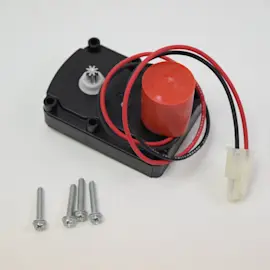
- Replace the valve drive if it stalls or won’t advance: motor 7286039
- Stop internal bypassing or valve leaks: Kenmore water softener seal kit 7129716
- Fix brine draw and poor regeneration: water softener nozzle and venturi with gasket 7187772
- Correct position sensing and related electronic errors: waterworks water softener rotor position switch 7030713
Cost and value comparison
| Situation | Typical outcome | Usually best choice |
|---|---|---|
| No soft water, unit powers on, valve head issue | Restorable with service parts | Repair |
| Error code or stuck cycle | Often motor/switch/rotor related | Repair |
| Valve area seep/drip | Often seals/venturi/fittings | Repair |
| Tank or salt drum leak | Structural failure | Replace |
| Repair estimate near 50% of replacement | Diminishing returns | Replace |
Why it matters
A working softener protects plumbing and water-using appliances from scale, and it keeps regeneration efficient (salt and water use). On this model, the manual also points you to initial checks like verifying the correct time of day, confirming the unit has power, and ensuring the bypass valve is fully in service before you commit to parts. See the 625388260 owner's manual.
Last updated: February 2026
What is the life expectancy of a Kenmore water softener?
A Kenmore water softener like model 625388260 typically lasts 8 to 15 years. In most homes, the ion-exchange resin is the first major wear item; plan on resin performance dropping in the 10 to 15 year range, especially with iron or chlorine in the water.
What affects lifespan the most
- Water quality: iron and chlorine shorten resin life and can increase maintenance needs
- Salt habits: keeping salt in the tank (not necessarily full) helps consistent regeneration
- Humidity and salt bridging: humid areas can cause bridging that prevents proper brine making
- Freeze exposure: freezing can crack components and cause leaks
- Maintenance frequency: periodic cleaning and disinfecting keeps the system working efficiently
Maintenance that extends service life
Use the guidance in the 625388260 owner's manual to keep the softener operating correctly.
- Keep salt in the storage tank; in humid areas, keep it 1/4 to 1/2 full and refill more often
- If your supply has clear-water iron, clean the resin bed on a regular schedule (often every 6 months)
- Disinfect the softener periodically when your water conditions call for it
- Protect the unit from freezing; drain it if installed where temperatures can drop below freezing
Common “end of life” symptoms vs. fixable issues
| What you notice | Often caused by | Typical next step |
|---|---|---|
| Hard water spots returning often | Resin worn out, incorrect settings, salt bridging | Check settings and salt; consider resin replacement if age is high |
| Low water pressure through soft water lines | Plugged venturi/screen, valve wear, resin fouling | Clean/inspect venturi and screens; service valve seals |
| Unit stalls during regeneration | Drive or position sensing issue | Inspect drive components; test switch and motor |
Parts that commonly restore performance
If the softener is otherwise in good shape, these parts often solve “no soft water” or regeneration problems:
- Water softener nozzle and venturi with gasket 7187772 (brine draw and regeneration performance)
- Kenmore water softener seal kit 7129716 (valve sealing to prevent internal bypass/leaks)
- Motor 7286039 (drives the valve through regeneration cycles)
Why it matters
A softener that is near the end of its service life can waste salt and water, regenerate too often, or fail to remove hardness consistently. Keeping salt, preventing bridging, and addressing iron early helps you get the full 8 to 15 years from the 625388260.
Last updated: February 2026