



How to grease a tiller?
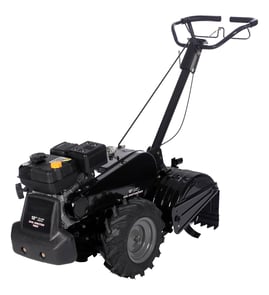
For the Craftsman rear-tine tiller model 917299130, greasing means lubricating the tine-drive and wheel-drive moving parts so they do not overheat or wear out. Most owners grease the external fittings regularly and service the chain or gear case periodically, depending on how often the tiller is used.
Before you start (safety and setup)
- Shut the engine off and let it cool completely.
- Disconnect the spark plug wire so the tiller cannot start.
- Brush off dirt around grease points so you do not push grit into bearings.
- Use a grease gun with a quality multi-purpose lithium grease (common for outdoor power equipment).
- Wipe away excess grease after pumping to reduce dirt buildup.
Where to grease on a rear-tine tiller
Most rear-tine tillers like the Craftsman 917299130 have these common lubrication points:
- Wheel hubs or wheel bearings (if equipped with grease fittings)
- Tine shaft bearings or bushings
- Depth stake pivot points and linkage pivots
- Clutch/idler pivots and control linkages
- Any zerk fittings on the transmission or tine-drive housing (if present)
If your tiller uses a chain drive, inspect the chain area for proper lubrication and tension. A worn or stretched chain can also cause noise and poor tine performance; the tiller chain, #25-50 532102134 is a common replacement part when the chain is damaged or excessively loose.
Quick grease schedule (typical)
| Use pattern | External grease points | Chain/gear case check |
|---|---|---|
| Occasional homeowner use | Every 10 to 25 hours | At the start of the season |
| Heavy or dusty use | Every 5 to 10 hours | Every 25 to 50 hours |
Why it matters
Proper lubrication reduces friction and heat in the tine-drive and wheel-drive components. That helps prevent premature wear on bearings, shafts, and drive parts, and it keeps shifting and engagement smoother.
Last updated: January 2026
How much oil does a Craftsman tiller hold?
For the Craftsman rear-tine tiller model 917299130, the engine typically holds about 20 oz (0.6 qt) of oil. Use the dipstick or fill plug level as the final check, since small-engine oil capacity can vary by engine family and sump style.
How to check and fill oil correctly
- Park the tiller on level ground and let the engine cool.
- Clean around the oil fill/dipstick so dirt cannot fall into the crankcase.
- Remove the dipstick, wipe it clean, then reinsert fully and remove again to read the level.
- Add oil slowly (a little at a time) to avoid overfilling.
- Recheck the level after each small top-off.
Oil type and service tips
Most Craftsman rear-tine tillers of this era run well on common small-engine oils:
| Temperature range | Typical oil choice | Notes |
|---|---|---|
| Warm weather use | SAE 30 | Common for summer operation |
| Mixed temps | 10W-30 | Helps with easier starting in cooler weather |
- Change oil more often in dusty tilling conditions.
- If the tiller smokes after an oil change, check for overfill.
- If oil looks milky, stop using the tiller and service the engine before further operation.
Why it matters
Running low on oil can quickly damage internal engine parts (crankshaft, bearings, piston). Overfilling can cause smoking, fouled spark plug, and oil leaks. Keeping the level correct is the simplest way to extend engine life.
Parts that often come up during oil-related service
If you are also doing a tune-up or chasing a running issue, these model-compatible parts are commonly involved:
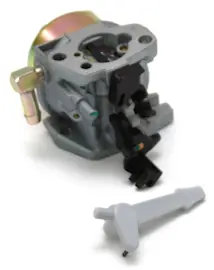
- Needle seat 631021B (carburetor fuel metering)
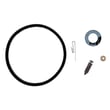
- Lawn & garden equipment engine carburetor o-ring 630740 (helps prevent air leaks)
- Lauson lawn & garden equipment engine ignition coil 30560A (spark-related no-start)
Last updated: January 2026
What tiller is made in the USA?
If you’re specifically looking for a tiller made in the USA, Mantis tillers are a well-known option that are designed, engineered, and manufactured in the United States. For your Craftsman rear-tine tiller model 917299130, we focus on helping you keep it running with the correct replacement parts and maintenance items.
How to shop “made in USA” tillers (what to check)
Manufacturing claims can vary by model year and product line, so we recommend confirming these details before you buy:
- Look for “Made in USA” on the product data plate or carton (not just the brand name)
- Check whether the engine and transmission are also U.S.-made (often they are sourced separately)
- Verify where final assembly happens versus where parts are manufactured
- Ask for the country-of-origin statement on the exact model number you’re considering
- Compare warranty coverage and parts availability for long-term ownership
Keeping a U.S.-made or imported tiller reliable
Country of origin matters less if the tiller is maintained well. On a rear-tine tiller like Craftsman 917299130, reliability usually comes down to drive and tine wear items, plus fuel-system upkeep.
Common maintenance and repair items include:
- Drive chain condition and tension (stretch and rust cause slipping)
- Belt wear and glazing (causes loss of drive under load)
- Tine depth and traction setup (depth stake and wheels)
- Carburetor sealing parts (O-rings, needle/seat, float bowl)
Parts that commonly affect performance on Craftsman 917299130
If your tiller is hard to drive, won’t pull, or the tines don’t stay engaged, these parts are often involved:
| Symptom | Common area to inspect | Example part for this model |
|---|---|---|
| Tines/drive slip under load | Chain/belt drive | Tiller chain, #25-50 532102134 |
| Poor depth control | Depth stake hardware | Depth stake 532102156 |
| Hard starting or flooding | Carburetor internals | Needle seat 631021B |
Why it matters
A “made in USA” tiller can be a priority for many owners, but the best long-term value usually comes from choosing a model with strong parts support. For Craftsman 917299130, using the correct OEM-style parts helps keep the transmission, tine drive, and engine running as designed.
Last updated: January 2026